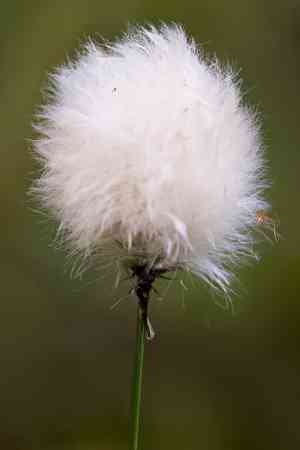
Puruagrass (Bolboschoenus maritimus)
Also known as: Alkali bulrush, Seaside bulrush, Cosmopolitan bulrush
Puruagrass, scientifically referred to as *Brachiaria purpurascens*, is a flowering plant commonly found in tropical and subtropical regions. It thrives in pastures and grasslands, particularly in Central and South America.
In This Article
Attributes of Puruagrass
Lifespan
Perennial
Plant Type
Grass
Plant Height
51 cm to 1.5 m
Spread
60 cm
Leaf Color
Green
Flower Size
1 cm to 4 cm
Flower Color
Brown White Yellow Green
Images of Puruagrass


Quickly Identify Puruagrass
1
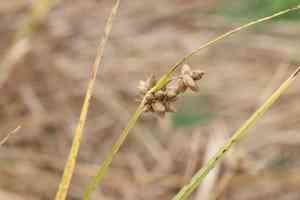
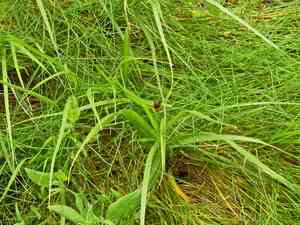
Identifying Bolboschoenus maritimus involves looking for tall, erect stems that can reach up to 1.5 meters in height. The leaves are flat or slightly folded and arranged in a three-ranked manner. The inflorescence is a dense cluster of spikelets, and the plant often grows in dense stands.
Scientific Classification of Puruagrass
Phylum
Vascular plants
Class
Monocotyledons
Order
Poales
Family
Sedge
Genus
Bolboschoenus
Species
Puruagrass
Planting and Growing of Puruagrass
Care Difficulty
Easy
Watering Schedule
Every 4 days
Sunlight Requirements
Partial sun
Sunshine Duration
4-10 hours
Ideal Temperature
59-77℉
Soil Type
Potting Mix, Peat Mix
Soil pH
6.5-7.5
Fertilizer Type
Balanced
Pruning Season
Spring, Summer
Pruning Area
Branches, Leaves
Pruning Frequency
2 times a year
Repotting Season
Spring
Pot Type
Plastic, Ceramic
 How to Water Puruagrass?
For Bolboschoenus maritimus, the key is to keep the soil consistently moist but not waterlogged. Aim to thoroughly soak the soil until water begins to drain from the bottom of the pot, ensuring even distribution.
What are the symptoms of an underwatered Puruagrass?
›
What should I do if my Puruagrass is not getting enough water?
›
What are the symptoms of an overwatered Puruagrass?
›
How to save an overwatered Puruagrass?
›
 What Are the Sunlight Requirements for Puruagrass?
Bolboschoenus maritimus thrives best with partial to full sun, which optimizes photosynthesis, leading to enhanced structural growth and vibrant leaf coloration.
How much sunlight should the plant receive?
›
What solutions exist to ensure ideal light conditions?
›
What are the benefits when the plant gets ideal sunlight?
›
 What Is the Ideal Temperature Range for Puruagrass?
The ideal temperature range for growing Bolboschoenus maritimus is between 59°F and 77°F. This range provides the optimal condition for metabolic processes, photosynthesis, and growth, ensuring the overall health and robustness of the plant.
 What Soil is Best for Puruagrass?
Bolboschoenus maritimus thrives in soil that retains moisture well, like loam and clay soils. These soil types ensure that the plant has access to water even during dry periods, promoting healthy growth and vibrant foliage. This plant benefits from nutrient-rich soil, which provides essential nutrients for growth. Soils like loam are typically rich in organic matter, offering a feast of nutrients necessary for the plant's development and robustness. While moisture retention is crucial, the soil must also provide adequate drainage to prevent waterlogging. Sandy loam is perfect, as it strikes a balance between holding water and allowing excess to drain away, thus preventing root rot.
 How to Fertilize Puruagrass?
For Bolboschoenus maritimus, use a balanced fertilizer with a ratio such as 10-10-10. When applying liquid fertilizer, dilute it to half strength and use approximately 1/2 cup per square foot of planting area.
 How to Prune Puruagrass?
Be cautious not to cut new growth, as these shoots will support robust future development. Prioritize removing only older, unproductive stems. Consider the plant's wetland habitat before pruning. Ensure it remains adequately moist and does not dry out, especially after trimming, to support recovery and growth.
More About Pruning Techniques→
 How to Propagate Puruagrass plant?
1
Gather seeds from mature plants at the end of the growing season. Ensure they are thoroughly dried and stored in a cool, dry place until early spring when they can be sown in prepared soil.
2
In early spring, carefully dig up the plant and separate the rhizomes. Each section should have a healthy root system. Replant them promptly in a suitable environment to encourage new growth.
3
Select healthy roots and cut them into sections. Treat with rooting hormone and plant them in a moist, well-draining substrate. Ensure they are kept at optimal humidity and temperature for best results.
 How to Repot Puruagrass plant?
1
Repot Bolboschoenus maritimus when you notice that its roots are emerging from the drainage holes or when the plant appears root-bound and growth is stunted. These are clear indicators that it's time for a larger pot to accommodate its expanding roots.
2
Select a pot that is only slightly larger than the current one. This ensures that the plant won't have too much excess soil, which can hold water and promote root rot. A pot with excellent drainage is essential to help manage moisture levels, mimicking the plant's natural marshy environment.
3
Opt for a loamy, moist soil that can retain adequate moisture while also providing good aeration to the roots. A high-quality potting mix for aquatic plants is ideal, as it prevents the roots from drying out and supports healthy growth in similar environments to their wild habitat.



