How to Transplant River bulrush?
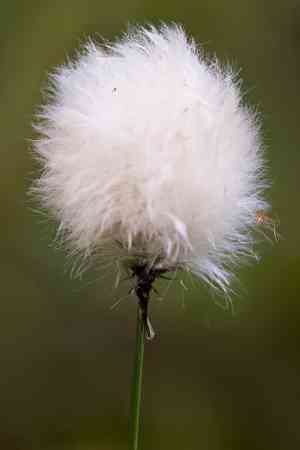
Transplant river bulrush during the lively warmth from late spring to mid-summer, as these conditions facilitate root establishment without issue. Select a damp, brightly lit location that emulates river bulrush's inherent waterside habitats. Strive for a welcoming soil environment, guaranteeing a smooth adaptation.
What Preparations are Needed Before Transplanting River Bulrush?
What is the Ideal Time for Transplanting River Bulrush?
The best time to move river bulrush is from late spring's warmth through summer's peak. This period allows river bulrush to develop strong root systems in good weather, building resilience before colder seasons. Following this schedule encourages vigorous growth, as river bulrush benefits from longer days and ample sunlight, promoting healthy development and adaptation. A smooth transition during this vital phase supports river bulrush's natural growth cycle and increases its chances of flourishing in its new spot!
How Much Space Should You Leave Between River Bulrush Plants?
Hello, aspiring gardener! For your lovely river bulrush, aim to provide each plant with approximately 6-12 inches (15-30 cm) of separation. This spacing ensures they have ample room to thrive and display their full beauty!
What is the Best Soil Mix for River Bulrush Transplanting?
For your river bulrush, consider preparing a comfortable bed of soil that drains well. A mixture rich in organic material will make them most content! Before planting, gently incorporate a balanced slow-release fertilizer to give them an excellent start.
Where Should You Relocate Your River Bulrush?
Your river bulrush enjoys soaking up the sun but also tolerates some shade! Find a location that receives a good combination of sun and partial shade throughout the day. This will help your green companion flourish beautifully.
What Equipments Should You Prepare Before Transplantation River Bulrush?
Gardening Gloves
To safeguard your hands while handling soil and plants.
Shovel or Spade
For excavating the plant and preparing the new planting site.
Watering Can or Hose
To hydrate the plant and soil before moving, and for watering after transplantation.
Pruning Shears
To trim any damaged roots or foliage prior to transplanting.
Wheelbarrow or Garden Cart
To transport the river bulrush if necessary, especially if it's large or if multiple plants are being moved.
Soil Knife or Trowel
For detailed work around the roots and for planting in the new location.
Rooting Hormone (optional)
To stimulate root development after transplanting.
How Do You Remove River Bulrush from the Soil?
How Do You Remove River Bulrush from the Soil?
From Ground: First, water the river bulrush plant to moisten the soil, making it easier to work with. Use a shovel or spade to carefully dig a wide circle around the plant, taking care not to damage the root ball. Gently pry and lift the plant out of the ground, keeping as much soil as possible adhered to the roots.From Pot: Water the river bulrush thoroughly before starting. Turn the pot sideways and gently tap the sides and bottom to loosen the root ball. Carefully slide the river bulrush out of the pot, supporting the plant and the soil with your hands.From Seedling Tray: Water the seedlings to ensure the soil is moist. Use a soil knife or trowel to carefully lift the seedling from the tray. Handle the seedling by the root ball to minimize damage to the delicate stems and leaves.
Step-by-Step Guide for Transplanting River Bulrush
Preparing the New Site
Start by digging a hole in the ground that is twice the width of the river bulrush's root ball and equally deep. Loosen the soil at the bottom of the hole to facilitate root penetration.
Root Preparation
Examine the river bulrush's roots and use pruning shears to remove any dead or damaged sections. If the roots are circling the root ball (pot-bound), gently separate them to encourage outward growth.
Placing the Plant
Position the river bulrush in the center of the newly dug hole. The top of the root ball should be level with the surrounding ground. Backfill around the root ball with soil, gently firming it to eliminate air pockets.
Watering In
Once the river bulrush is in place, water it deeply to help settle the soil around the roots and hydrate the plant. If necessary, adjust the soil level after watering to ensure the plant is positioned correctly.
Stabilizing
Add support stakes if the river bulrush is large or if the area experiences strong winds. Tie the plant to the stakes loosely with soft plant ties to prevent stem damage.
How Do You Care For River Bulrush After Transplanting?
Regular Watering
Ensure the soil around the river bulrush remains consistently moist during its establishment phase. Avoid over-watering, which can lead to root rot.
Mulching
Apply a layer of organic mulch around the base of the river bulrush, being careful to keep it away from the stems, to retain moisture and suppress weed growth.
Monitoring
Observe the river bulrush for signs of transplant shock, such as wilting or discolored leaves, and take appropriate action (e.g., more shade, water, etc.).
Fertilizing
Wait a few weeks before applying any fertilizer to avoid overwhelming the river bulrush while it is establishing. When you do fertilize, choose a balanced, slow-release product.
Troubleshooting Common Issues with River Bulrush Transplantation.
When is the best time to transplant river bulrush?
Choose late spring to mid-summer when temperatures are warm, promoting optimal growth.
What spacing is ideal when transplanting river bulrush?
Provide each river bulrush with approximately 6-12 inches (15-30 cm) of space to flourish.
How deep should I plant river bulrush rhizomes?
Plant rhizomes at a depth where the top is just below the soil surface.
Do I need to prune river bulrush before transplanting?
Trimming isn't necessary, but removing damaged parts helps focus energy on establishment.
Can I transplant river bulrush in waterlogged soil?
Avoid waterlogged conditions; well-draining sites are crucial for river bulrush's root health.
Should I fertilize river bulrush after transplanting?
Wait a few weeks before a light application of balanced fertilizer to prevent burn.
How often should I water river bulrush post-transplant?
Keep the soil evenly moist but not drenched, especially during the first few weeks.
Why are my transplanted river bulrush's leaves yellowing?
Yellow leaves can signal overwatering, poor drainage, or a nutrient deficiency.
Can river bulrush be transplanted in full sunlight?
Yes, river bulrush can handle full sunlight, but ensure it gets consistent moisture.
What signs indicate that river bulrush is settled in after transplantation?
New growth and absence of wilting or yellowing leaves are good indicators.



