How to Propagate River bulrush?
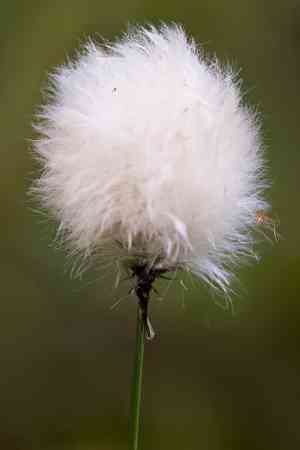
A sturdy water-dwelling perennial, river bulrush multiplies successfully via separation. Cultivators ought to divide its underground stems or tubers while the plant is actively developing. Meticulously splitting the root masses guarantees the new plants retain strength. After separation, promptly reintroduce the divisions into moist earth or shallow water to offer a setting favorable for root development and expansion.
What Is the Best Time To Propagate River Bulrush?
Propagation Type
Division
Propagation Season
Spring,Autumn
What Tools Are Used in River Bulrush Propagation?
Sharp Knife or Spade
A keen knife or spade is vital for safely and efficiently separating the root mass of river bulrush. The sharp edge ensures clean cuts, preventing damage to the root systems, which is crucial for reducing plant stress and promoting quicker recovery and growth.
Watering Can with Fine Rose
After propagating river bulrush, it's essential to keep the soil moist. A watering can with a fine rose attachment allows for gentle watering without displacing soil or harming delicate new roots. This tool helps maintain the ideal moisture level needed for river bulrush roots to establish in their new environment.
Garden Fork
A garden fork is useful for loosening the soil around river bulrush before attempting division. It allows for gentle lifting of the plant without severely disrupting the root structure. This tool is particularly beneficial as it minimizes root damage during extraction.
Rooting Hormone Powder
While not always necessary, applying rooting hormone powder can boost the success rate of propagating river bulrush through division. The hormone stimulates root growth from the cut sections, helping the divisions establish themselves more quickly and robustly.
Plant Pots with Drainage Holes
Suitable for replanting river bulrush divisions, these pots ensure excess water drains effectively, preventing root rot. The pot size choice is crucial; a pot that's too large may cause excessive moisture retention in the soil, which can be detrimental to river bulrush's health.
How to Propagate River Bulrush?
Propagation Type
Easy
How to Care for Your Newly Propagated River Bulrush?
How to Care for Your Newly Propagated River Bulrush?
Post-propagation, ensure the soil around river bulrush remains consistently moist to wet. Mulching can help retain soil moisture and suppress weeds. Monitor for pests or diseases, addressing issues promptly to maintain plant health. During the growing season, river bulrush may benefit from occasional application of a balanced, slow-release fertilizer to support robust growth.
Common Mistakes to Avoid When Propagating River Bulrush
Inadequate water levels
This error involves either overwatering or underwatering river bulrush. Overwatering can lead to root rot, while insufficient watering may hinder proper root development, impeding growth and establishment.
Ignoring soil composition
Using an unsuitable soil mix that doesn't mimic river bulrush's natural habitat can impede proper root expansion and nutrient absorption, affecting overall health and propagation success.
Neglecting container size for water propagation
Choosing a container that is too small can restrict root development, and one that is too large might encourage excessive water retention, contributing to root rot.
Tips For Propagating River Bulrush
Maintain optimal water levels
Ensure that the water or moist soil is consistently monitored and adjusted to suit river bulrush's specific moisture needs to encourage healthy root development.
Mimic natural soil conditions
Use a soil mixture rich in organic matter and with proper drainage that reflects river bulrush's natural growing conditions to facilitate effective root growth and nutrient uptake.
Choose an appropriate container
Selecting the right size container when propagating river bulrush in water is crucial. It should be large enough to accommodate growing roots but not so vast as to retain excessive water.



