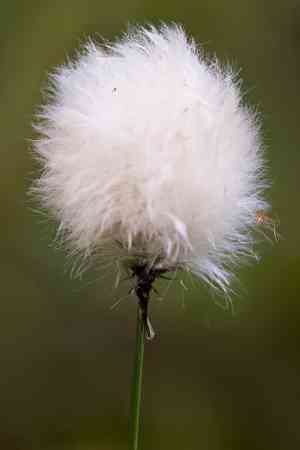
River bulrush (Bolboschoenus fluviatilis)
Also known as: Marsh clubrush
The river bulrush, scientifically known as *Bolboschoenus fluviatilis*, is a wetland plant commonly found in Australia, New Zealand, New Caledonia, and parts of North America. It is frequently utilized in pond gardens and for the remediation of polluted waterways due to its effectiveness in such environments.
In This Article
Attributes of River bulrush
Lifespan
Perennial
Plant Type
Grass
Plant Height
91 cm to 1.8 m
Spread
0.3 to 0.6 meters
Leaf Color
Green
Flower Size
1.3 cm to 2.5 cm
Flower Color
Yellow Red Brown
Images of River bulrush
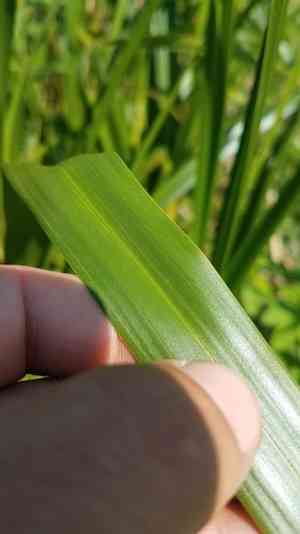
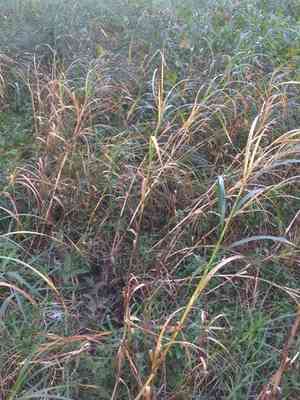
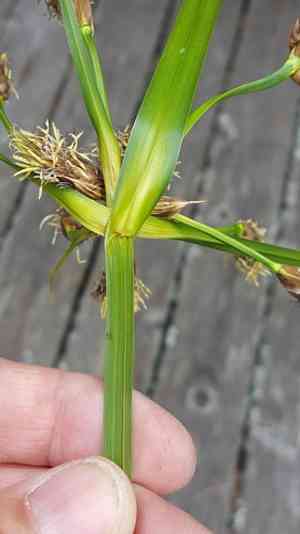
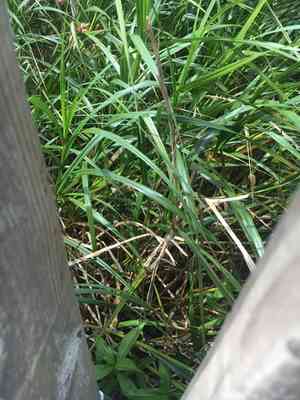
Quickly Identify River bulrush
1
Look for rigid, triangular stems with dark green leaves that are long and narrow. The plant typically produces large, brownish seed heads that resemble clusters of small nuts or grains.
Scientific Classification of River bulrush
Phylum
Vascular plants
Class
Monocotyledons
Order
Poales
Family
Sedge
Genus
Bolboschoenus
Species
River bulrush
Planting and Growing of River bulrush
Care Difficulty
Easy
Watering Schedule
Every 12 days
Sunlight Requirements
Full sun
Sunshine Duration
6-10 hours
Ideal Temperature
68-77℉
Soil Type
Potting Mix, Peat Mix
Soil pH
6.5-7.5
Fertilizer Type
Balanced
Pruning Season
Spring, Summer
Pruning Area
Branches, Leaves
Pruning Frequency
2 times a year
Repotting Season
Spring
Pot Type
Plastic, Ceramic
 How to Water River bulrush?
For Bolboschoenus fluviatilis, the watering amount should be enough to thoroughly moisten the soil without causing waterlogging. The ideal is approximately 500 ml each time, ensuring the soil remains consistently moist but not waterlogged. Always check that the top inch of soil is moist before the next watering.
What are the symptoms of an underwatered River bulrush?
›
What should I do if my River bulrush is not getting enough water?
›
What are the symptoms of an overwatered River bulrush?
›
How to save an overwatered River bulrush?
›
 What Are the Sunlight Requirements for River bulrush?
Bolboschoenus fluviatilis flourishes in full sun to partial sun conditions. Ideal lighting supports optimal growth, robust foliage, and encourages healthy development, supporting natural ecosystems like wetlands.
More About Sunlight Requirements Techniques→
How much sunlight is ideal?
›
What to do if it's too shady?
›
Why is ideal lighting important?
›
 What Is the Ideal Temperature Range for River bulrush?
The ideal temperature range for growing Bolboschoenus fluviatilis is between 68°F and 77°F. Within this range, the plant can thrive and perform photosynthesis efficiently, leading to optimal growth and development. Maintaining this temperature helps to ensure that the plant's biological processes, such as metabolism, nutrient uptake, and transpiration, occur at an optimal rate.
 What Soil is Best for River bulrush?
Bolboschoenus fluviatilis thrives in soils that retain moisture well, which supports its growth by simulating its natural wetland habitat. Rich soils are essential for providing the nutrients necessary for robust growth and optimal health, enhancing the plant's resilience. Although this plant prefers moist conditions, ensuring good drainage prevents waterlogging, supporting root health and overall vigor.
 How to Fertilize River bulrush?
For Bolboschoenus fluviatilis, it's important to apply fertilizer moderately. Use approximately 10 grams of slow-release granular fertilizer per square meter, to provide a consistent nutrient boost without overwhelming the plant's root system.
 How to Prune River bulrush?
Start by locating any brown or dead-looking spikes. These should be removed to allow room for new growth. Cut these at the base to ensure the plant doesn't waste energy on them. If Bolboschoenus fluviatilis becomes too dense, selectively trim back some of the taller, older stems. This opens up the plant and improves air circulation, which helps prevent fungal infections. Prune to maintain the desired shape and size of the plant. If you are cultivating it for a neat appearance, regularly shaping it helps control its natural sprawling habit.
More About Pruning Techniques→
 How to Propagate River bulrush plant?
1
Harvest mature seeds from Bolboschoenus fluviatilis at the end of the growing season. Clean them to remove debris and allow them to dry naturally before storage.
2
Carefully uproot mature plants and use a sharp garden spade to divide the root clump into smaller sections. Ensure each section has a healthy portion of roots and shoots before replanting.
3
Select healthy roots from a mature plant, cutting sections approximately 3-5 inches long. Ensure that each section has several nodes to promote new growth.
 How to Repot River bulrush plant?
1
Recognizing the signs for repotting Bolboschoenus fluviatilis is crucial. Look for roots protruding from the drainage holes or the plant becoming pot-bound, with little space for growth. The best time to repot is when active growth is observed during spring or early autumn. This timing ensures the plant rejuvenates in the growing season, minimizing stress.
2
Selecting an appropriate pot for Bolboschoenus fluviatilis involves choosing a container that is slightly larger than its current size with good drainage. A clay pot can be beneficial as it provides stability and breathability, keeping the roots from staying overly moist. An extra inch in diameter is often enough to foster healthy growth without overwhelming the plant.
3
The soil chosen for Bolboschoenus fluviatilis should have a well-draining yet moisture-retentive quality. A sandy loam mix offers the ideal balance, allowing water to drain freely while retaining necessary moisture. This soil mix aids in preventing root rot and ensures the plant receives adequate nutrition.
Learn More About River bulrush Diseases
Anthracnose
Bacterial Leaf Spot
Bacterial Soft Rot
Bacterial Wilt
Chemical Injury
Cyst Nematode
Damping-off
Downy Mildew
Drought Stress
Fusarium Wilt
Gray Mold
Leaf Spot
Mosaic
Nutrient Deficiency
Nutrient Toxicity
Powdery Mildew
Root Rot
Root-knot Nematode
Rusts
Sooty Mold
Spider Mites
Temperature Stress
Thrips Damage
White Mold



