How to Prune River bulrush?
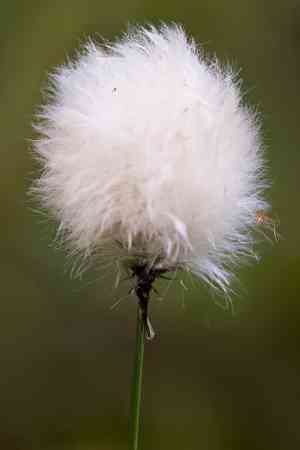
A perennial aquatic, 'river bulrush' flourishes in marshy areas, featuring sturdy stalks and grouped flower heads. Trimming entails severing deceased or excessively long stems to preserve the plant's well-being and manage its expansion. The most suitable periods for pruning are early spring or winter, when the plant is inactive. Performing this task during these times can avert needless strain, foster vigorous development in the active growth period, and aid in ideal water circulation and environmental conditions within the plant's natural setting.
Advantages of Trimming River Bulrush
Advantages of Trimming River Bulrush
Trimming river bulrush promotes robust development and maintains its desired form. This action helps revitalize and encourage stronger, healthier growth, ensuring the plant remains compact and visually appealing.
Optimal Period for Trimming River Bulrush
Optimal Period for Trimming River Bulrush
Trimming river bulrush in early spring is advantageous as it occurs before rapid growth begins, ensuring that pruning does not impede its growth cycle. This timing also prevents the potential spread of plant diseases, which are more active in warmer, wetter conditions. Additionally, cutting river bulrush in early spring allows for the removal of any winter-damaged tissues, providing a healthier base for new growth. Winter is another ideal season to prune river bulrush since the plant is typically dormant then. Pruning during dormancy minimizes stress on river bulrush and maximizes the plant's recovery, while also reducing the chance of disease transmission. During both seasons, gardeners can shape the plant without affecting the upcoming growing season, preserving plant vigor and aesthetic form.
Tools Required for Trimming River Bulrush
Sharp Scissors or Pruners
For precise cuts on thinner stems and leaves of river bulrush, ensuring minimal harm to the plant tissue.
Long-handled Loppers
To reach into dense clusters or to cut through thicker stems of river bulrush without excessive bending or stretching.
Heavy-duty Garden Shears
To efficiently trim back large sections of river bulrush growth, suitable for managing extensive areas.
Gloves and Protective Clothing
To safeguard the gardener from the rough edges of the river bulrush plant material during trimming.
How to Trim River Bulrush
Clean Tools
Ensure all trimming tools are clean and sharp to prevent disease transfer to river bulrush. Sanitize blades with isopropyl alcohol or a bleach solution before starting.
Identify
Carefully examine river bulrush to locate diseased and withered leaves. Look for discolored, spotted, or misshapen leaves indicating illness or stress.
Cut Diseased Leaves
Use precise pruning shears to remove diseased leaves from river bulrush. Cut each leaf at its base where it joins the stem, taking care not to harm nearby healthy tissue.
Cut Withered Leaves
Trim withered leaves from river bulrush in the same manner, cutting at the base to maintain a tidy appearance and encourage healthy growth.
Dispose
Properly dispose of all removed diseased and withered leaves, away from river bulrush, to prevent disease spread and deter pests. Do not compost diseased material.
Common Trimming Errors with River Bulrush
Excessive Trimming
Gardeners often err by trimming river bulrush too aggressively, removing too much foliage and potentially causing stress and damage to the plant. This can lead to reduced vitality and a negative impact on the plant's ability to flourish.
Incorrect Cut Placements
Another frequent error is making cuts in the wrong spots, which can harm river bulrush. Cuts should be made at an angle and close to the base of the unwanted shoot to promote healthy regrowth and prevent damage to the main stems.
Ignoring Plant Health
Failing to consider the health of river bulrush before trimming is a mistake. Pruning should be avoided if the plant is stressed, such as from drought or disease, as it can worsen the condition.
Using Dull Tools
Employing dull or dirty trimming tools can result in jagged cuts and introduce diseases to river bulrush. This oversight can impede the healing process and lead to further plant health issues.
General Trimming Advice for River Bulrush
Sharp Clean Tools
Always use sharp, clean pruning shears or knives to make precise cuts on river bulrush. This helps prevent disease transmission and ensures a smooth healing process for the plant.
Selective Trimming
Perform selective trimming on river bulrush by removing only dead, diseased, or overcrowded shoots. This promotes air circulation, reduces disease risk, and encourages new, healthy growth.
Protect New Growth
Avoid trimming the new, green shoots of river bulrush, as these are vital for photosynthesis and the plant's overall energy production. Focus on removing older, brown, or deteriorating material.
Trim For Shape
Trim river bulrush to maintain its natural shape and appearance. This will enhance the aesthetic appeal and the health of the plant, allowing it to allocate resources efficiently.



