How to Transplant Ngai camphor?
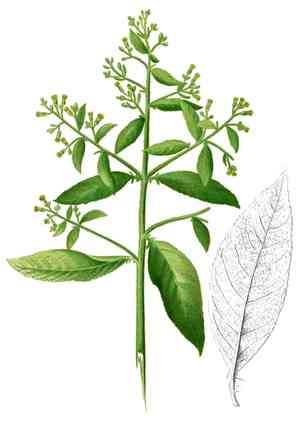
It is most favorable to transplant ngai camphor during the balmy, flourishing period from late spring to early summer, as this time is ideal for root development. Select a bright spot with soil that drains effectively; careful handling will facilitate a smooth adjustment.
Necessary Preparations Before Relocating Ngai Camphor
Optimal Period for Ngai Camphor Relocation?
The best time to move ngai camphor is during the onset of vigorous growth, typically spanning from late spring to early summer. Relocating ngai camphor in this season leverages the milder temperatures and increasing daylight, which collectively support root establishment and new development. Placing ngai camphor in its new spot at this point ensures it has sufficient time to adapt before the harshness of intense summer heat or winter cold. A helpful hint: your ngai camphor will appreciate the precise timing with lush, strong health!
Required Spacing Between Ngai Camphor Plants?
Ready to provide your ngai camphor ample room to thrive? Aim for a comfortable distance of approximately 12-18 inches (30-45 cm) between each plant. This allows your ngai camphor companions to grow without competing for nutrients and sunlight.
Ideal Soil Mixture for Ngai Camphor Relocation?
The perfect bed for your ngai camphor is well-draining soil rich in organic material. Prepare the site with compost and a balanced, slow-release fertilizer to give your ngai camphor a warm welcome and an excellent start!
Recommended Location for Your Ngai Camphor?
Your ngai camphor enjoys a good sunbath! Select a spot that receives full to partial sunlight. This ensures your green companion gets the warmth and light it requires to flourish beautifully.
Equipment to Prepare Before Ngai Camphor Transplantation
Gardening Gloves
To safeguard your hands while handling soil and the plant.
Shovel or Spade
For excavating the plant and preparing its new cavity.
Garden Fork
To gently loosen the soil around the plant's root system without causing harm.
Watering Can or Hose
To hydrate the plant before and after its relocation.
Pruning Shears
To trim any damaged roots or foliage.
Wheelbarrow
To transport the plant and soil.
Measuring Tape
To maintain correct spacing between relocated plants.
Mulch
To help retain soil moisture and regulate soil temperature after relocation.
How to Extract Ngai Camphor from the Soil?
How to Extract Ngai Camphor from the Soil?
From Ground: Hydrate the ngai camphor plant to moisten the soil. Dig a wide circle around the plant with a shovel or spade to avoid cutting into the root ball. Carefully work the tool beneath the root ball and lift the plant out.From Pot: Water the ngai camphor thoroughly. Turn the pot sideways and gently tap or press on the sides to loosen the soil. Invert the pot and guide the plant out, using a hand on the soil surface.From Seedling Tray: Water the seedlings well. Use a garden fork or your fingers to carefully lift the ngai camphor plants from their individual cells, taking care not to harm the delicate roots.
Step-by-Step Guide for Relocating Ngai Camphor
Excavating the Hole
Dig a hole in the ground that is twice the width of the root ball and approximately the same depth.
Root Preparation
Gently untangle any circling roots to encourage outward growth.
Placement
Position the ngai camphor plant in the center of the hole, ensuring it stands upright and at the same depth it was previously growing.
Backfilling
Slowly refill the hole with soil, tamping lightly to remove large air pockets.
Watering
Water the ngai camphor thoroughly to settle the soil around the roots and aid in shock recovery.
Mulching
Apply a layer of mulch around the base of the ngai camphor, avoiding direct contact with the stem, to conserve moisture.
Post-Transplantation Care for Ngai Camphor
Watering
Keep the soil around the ngai camphor consistently moist for the initial few weeks to help establish strong roots.
Pruning
Trim any dead or damaged leaves to direct the plant's energy towards root establishment.
Staking
If the ngai camphor is tall or unstable, provide a stake to support and straighten it, tying loosely with soft ties.
Monitoring
Observe for signs of transplant shock, such as wilting or leaf drop, and adjust care as needed.
Resolving Common Issues with Ngai Camphor Transplantation.
When is the best time to transplant ngai camphor?
Optimal transplanting time is from late spring to early summer, when the weather is mild.
How far apart should ngai camphor be spaced when transplanting?
Space ngai camphor about 12-18 inches (30-45 cm) apart to ensure ample room for growth.
What's the best way to prepare the soil for ngai camphor?
Enrich the soil with compost and ensure it's well-draining before transplanting ngai camphor.
How deep should the hole be for transplanting ngai camphor?
The hole should be as deep as the root ball and twice as wide to encourage expansion.
Can ngai camphor be transplanted on a cloudy day?
Yes, transplanting ngai camphor on a cloudy day can prevent immediate sun stress on the plant.
How much should I water ngai camphor after transplanting?
Water ngai camphor deeply after transplanting to settle the soil and help with root establishment.
Is it necessary to prune ngai camphor when transplanting?
Light pruning can help ngai camphor focus energy on root development, but it's not essential.
What should I do if the leaves of ngai camphor wilt post-transplant?
Provide shade and water. If wilting persists, check for root damage or soil issues.
How can I tell if ngai camphor has enough water after transplanting?
Soil should be moist but not waterlogged. Use a finger to test soil moisture level.
Should I use fertilizer immediately after transplanting ngai camphor?
Wait 4-6 weeks post-transplant before fertilizing to avoid burning new roots.



