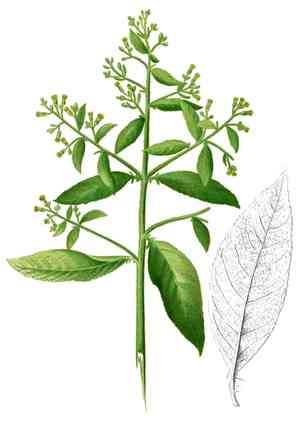
Ngai camphor (Blumea balsamifera)
Also known as: Sembung
Ngai camphor is native to the tropical regions of Asia and adjacent islands. Although not typically grown as a garden plant, it is often used for its ornamental dried foliage. In the Philippines, tea made from ngai camphor is popular for its medicinal benefits. In Thailand, the plant is also believed to have spiritual properties and is used to ward off spirits.
In This Article
Attributes of Ngai camphor
Lifespan
Perennial
Plant Type
Shrub
Plant Height
1 m to 4 m
Spread
Varies; typically wide
Leaf Color
Green
Flower Size
5 mm to 8 mm
Flower Color
Yellow
Images of Ngai camphor
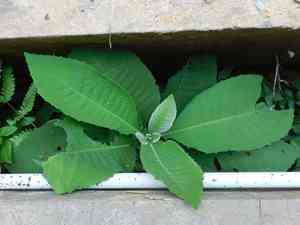
Quickly Identify Ngai camphor
1
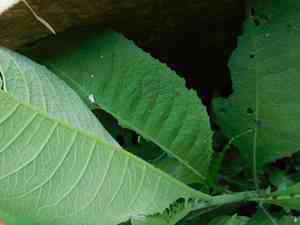
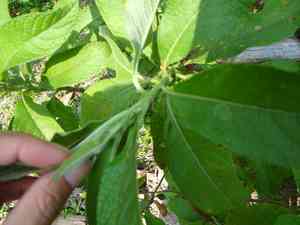
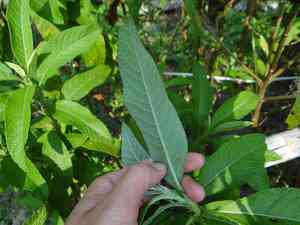
Blumea balsamifera can be identified by its distinctive, aromatic leaves, which are lance-shaped and covered with fine hairs. The plant\'s stems are woody at the base and the flowers are small, yellow, and found in clusters.
Scientific Classification of Ngai camphor
Phylum
Vascular plants
Class
Dicotyledons
Order
Asterales
Family
Daisy
Genus
False oxtongue
Species
Ngai camphor
Planting and Growing of Ngai camphor
Care Difficulty
Easy
Watering Schedule
Every 2 days
Sunlight Requirements
Partial sun
Sunshine Duration
6-8 hours
Ideal Temperature
68-86℉
Soil Type
Potting Mix, Peat Mix
Soil pH
6-7.5
Fertilizer Type
Balanced
Pruning Season
Spring, Summer
Pruning Area
Branches, Leaves
Pruning Frequency
2 times a year
Repotting Season
Spring
Pot Type
Plastic, Terracotta
 How to Water Ngai camphor?
Blumea balsamifera requires a moderate amount of water, approximately 500 milliliters per session. Watering should be sufficient to moisten the entire root zone but avoid waterlogging. Allow the soil to dry slightly between waterings to ensure root health and prevent root rot.
What are the symptoms of an underwatered Ngai camphor?
›
What should I do if my Ngai camphor is not getting enough water?
›
What are the symptoms of an overwatered Ngai camphor?
›
How to save an overwatered Ngai camphor?
›
 What Are the Sunlight Requirements for Ngai camphor?
Partial sun or full sun ensures optimal photosynthesis, improving growth and enhancing the plant's traditional medicinal efficacy.
More About Sunlight Requirements Techniques→
Ideal Light Solutions
›
Practical Actions
›
Benefits of Ideal Light
›
 What Is the Ideal Temperature Range for Ngai camphor?
Blumea balsamifera thrives in temperatures ranging from 68°F to 86°F. This range ensures optimal physiological processes and supports robust growth. Anything below or above this range can stress the plant and impede its development.
 What Soil is Best for Ngai camphor?
Blumea balsamifera thrives in nutrient-rich loamy soil, which retains moisture while providing essential nutrients. This soil type supports optimal growth and robust health by ensuring efficient root nutrient absorption. Sandy loam offers excellent drainage, preventing waterlogging which can harm Blumea balsamifera. By allowing water to drain quickly, it prevents root rot and encourages strong root development. While well-draining, the soil should still retain enough moisture to support the plant's needs without becoming waterlogged. This balance helps in maintaining ideal hydration levels for healthy foliage and growth.
 How to Fertilize Ngai camphor?
For Blumea balsamifera, a moderate amount of fertilizer is key. Apply approximately 5-10 milliliters of liquid fertilizer per liter of water. For solid fertilizers, use around 50-100 grams per plant annually. This ensures the plant receives adequate nutrients without being overwhelmed.
 How to Prune Ngai camphor?
Begin by identifying any dead or diseased branches. Removing these allows the plant to redirect nutrients to healthier parts. Use sharp, sterilized pruning shears to ensure clean cuts, minimizing the risk of infection. Identify areas where the growth is too dense or leggy. Trim these sections carefully to improve airflow and ensure that sunlight reaches all parts of the plant. This encourages balanced growth and reduces the risk of fungal infections from trapped moisture.
More About Pruning Techniques→
 How to Propagate Ngai camphor plant?
1
Collect seeds from mature plants. Clean them thoroughly and allow them to dry in a cool, dark place. This helps enhance their viability for successful germination.
2
Select healthy stems with at least a few nodes. Cut at a 45-degree angle using sterilized pruning shears to reduce infections and promote better root development.
3
Carefully dig out a mature plant and separate the root clumps. Ensure each section has enough roots and foliage to sustain growth before replanting in individual pots.
 How to Repot Ngai camphor plant?
1
Blumea balsamifera should be repotted when it shows signs such as overcrowding in the pot, roots growing out of the drainage holes, or soil that dries out too quickly. Ideally, repotting should occur during the growing seasons of spring or summer to minimize stress.
2
Choose a pot that is slightly larger than the current one, ensuring it has adequate drainage holes. A pot that is too large may retain excess moisture, leading to root rot. Terra cotta pots are ideal as they provide good air circulation and evaporate excess moisture.
3
Opt for a well-draining loamy soil that retains moisture but allows excess water to escape. This type of soil prevents roots from becoming waterlogged, promoting healthy growth. Adding perlite or coarse sand can improve drainage.
Learn More About Ngai camphor Diseases
Anthracnose
Bacterial Leaf Spot
Bacterial Wilt
Chemical Injury
Crown Gall
Damping-off
Downy Mildew
Drought Stress
Fusarium Wilt
Gray Mold
Leaf Curl
Leaf Spot
Mosaic
Nutrient Deficiency
Nutrient Toxicity
Powdery Mildew
Root Rot
Root-knot Nematode
Rusts
Sooty Mold
Spider Mites
Temperature Stress
Thrips Damage
White Mold



