How to Prune Ngai camphor?
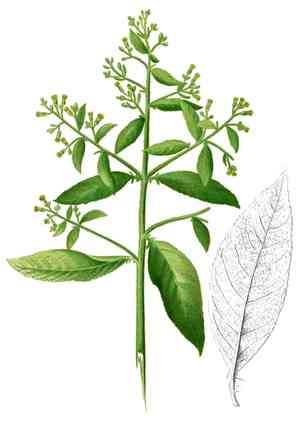
Ngai camphor, a therapeutic herb recognized for its camphor-fragranced leaves and golden blossoms, flourishes with consistent trimming. This trimming should prioritize the elimination of lifeless or ailing foliage to foster robust development and air circulation. Cut back excessively long branches to preserve a dense form. The optimal period for this activity is in winter, when the plant is in its inactive state, to ready it for energetic development in the spring. Trimming ngai camphor diminishes the likelihood of pest infestations and boosts the strength of its fragrant leaves, which are crucial for traditional treatments.
What Are the Benefits of Pruning Ngai Camphor?
What Are the Benefits of Pruning Ngai Camphor?
Trimming ngai camphor promotes robust development and helps maintain its desired form. It eliminates old, unproductive branches, allowing for new, healthier shoots to emerge, leading to a more vigorous and visually appealing plant.
What Is the Best Time for Pruning Ngai Camphor?
What Is the Best Time for Pruning Ngai Camphor?
Pruning ngai camphor in late winter before new growth begins is advantageous as the plant is still dormant. This timing prevents undue stress and allows the gardener to clearly observe the plant's structure without leaves obstructing the branches, enabling more effective pruning. Trimming at this time helps stimulate vigorous growth in the spring, ensuring that ngai camphor has a full growing season to recover and thrive. Additionally, removing dead or diseased branches during this period minimizes the risk of pest infestation and disease spread when the plant is most vulnerable, leading to a healthier growth cycle. Pruning before the spring growth surge also means that wounds heal faster, reducing exposure time to potential pathogens.
What Tools Do I Need to Prune Ngai Camphor?
Hand Pruners
Perfect for making clean cuts on ngai camphor's stems, typically under 1/2 inch in diameter. Hand pruners should be sharp and well-kept to avoid harming the plant.
Pruning Shears
Ngai camphor sometimes has denser foliage that requires more extensive shaping. Pruning shears can assist in shaping the bush and keeping it neat without damaging the plant.
Gloves
Hand protection for the gardener is crucial when pruning ngai camphor, to prevent scratches from stems or contact with any skin irritants the plant might possess.
Pruning Saw
For older ngai camphor specimens that may have developed thicker branches, a pruning saw is essential for cutting through woody stems larger than 1/2 inch in diameter.
Loppers
For hard-to-reach areas and for providing leverage on slightly thicker branches, loppers can be utilized to ensure even and healthy growth of ngai camphor.
How to Prune Ngai Camphor
Inspect
Examine ngai camphor for withered leaves, dead branches, and diseased limbs. Identify areas needing attention, focusing on maintaining airflow and sunlight penetration.
Sterilize
Before pruning ngai camphor, sanitize pruning tools with alcohol or a bleach solution to prevent disease transmission.
Remove Withered Leaves
Carefully remove withered leaves from ngai camphor by hand or with pruning shears, ensuring minimal damage to healthy tissues.
Cut Dead Branches
Prune dead branches from ngai camphor using sharp, clean shears. Make cuts just above a healthy bud or branch junction, at a 45-degree angle to facilitate healing and prevent water accumulation.
Eradicate Diseased Limbs
Excise diseased branches from ngai camphor, cutting well back into healthy wood. Seal cuts with pruning paint if necessary to prevent further infection.
Common Pruning Mistakes with Ngai Camphor
Over-Pruning
Removing too much foliage from ngai camphor can severely weaken the plant, causing stress and potentially leading to reduced growth and fewer flowers. As a general guideline, avoid removing more than one-third of the plant's total volume during a single pruning session.
Improper Cutting Angle
Cuts made at incorrect angles can prevent water from naturally shedding off the wound, potentially leading to rot and disease. Always cut at a 45-degree angle, and ensure the cut is clean and swift to promote rapid healing.
Pruning Into Old Wood
If ngai camphor is pruned too far back into old wood (wood that hasn't produced new shoots recently), it may not regrow effectively. Pruning should encourage new growth from healthy, green wood.
Ignoring Crossing Branches
Ngai camphor can have branches that cross and rub against each other, causing damage and openings for disease. Neglecting to remove these crossing branches during pruning can lead to long-term health issues.
Using Dull Tools
Pruning ngai camphor with dull tools can lead to jagged cuts that are more vulnerable to infection. Ensure that all tools are sharp to make clean cuts which heal more effectively.
Pruning Without Cleaning Tools
Failure to clean tools before and after pruning can spread pathogens from diseased to healthy plants. Always disinfect pruning tools before use on ngai camphor.
Not Considering Plant Shape
Pruning without a vision for the plant's desired shape can result in an unbalanced and aesthetically unpleasing form. Before pruning ngai camphor, envision the desired outcome to guide the pruning process.
Common Pruning Tips for Ngai Camphor
Identification Of Pruning Sites
Before cutting, closely examine ngai camphor to determine which areas require pruning. Look for dead, diseased, or damaged stems, as well as any stems that are overcrowding the plant's center.
Thinning
Thin out the center of ngai camphor to increase air circulation and light penetration, promoting healthy foliage and reducing the risk of fungal diseases.
Successive Pruning
For more extensive pruning, practice successive pruning over a few growing seasons. This technique avoids stressing ngai camphor by spreading the work over a longer period.
Cut Position
When cutting, leave a small portion of the stem above the bud to prevent dieback. Aim to cut just above a leaf node where new growth can emerge.
Pruning For Shape
Carefully shape ngai camphor while maintaining its natural form. Prune judiciously to improve the plant's structure without compromising its appearance.
Post-Pruning Care
After pruning ngai camphor, ensure proper care by watering and mulching to support recovery and growth. This will help the plant to heal and reduce any stress caused by pruning.
Tool Maintenance
Keep pruning tools well-maintained and sharp. After pruning, clean the tools to remove sap and debris, and disinfect them to prevent the spread of disease.



