How to Propagate Ngai camphor?
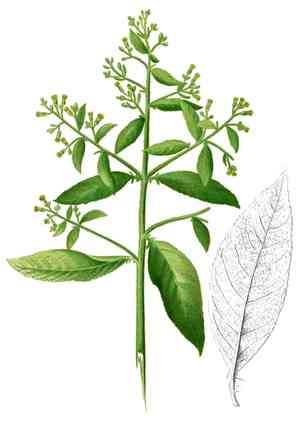
Ngai camphor flourishes when reproduced via cuttings, a technique ensuring genetic uniformity in new plants. For improved success, gather cuttings from a robust parent plant during periods of vigorous development. Employ sharp, disinfected instruments for clean incisions, then place the cuttings in a growing substrate that drains effectively yet holds sufficient dampness to foster root growth. Consistent spraying will maintain ideal humidity levels, which is vital for the cuttings to establish roots. This method of propagating ngai camphor provides a rapid and efficient means to cultivate new, strong specimens.
Optimal Time for Ngai Camphor Propagation
Propagation Method
Cutting
Propagation Period
Spring,Summer
Tools for Ngai Camphor Propagation
Sharp Pruning Shears
These are vital for obtaining clean, precise cuttings from ngai camphor. A clean cut helps prevent infection and ensures a high survival rate for the cuttings. Sharp, sterilized shears minimize damage to the parent plant and enhance overall propagation success.
Rooting Hormone
This product is used to stimulate faster root development from ngai camphor cuttings. Applying rooting hormone to the freshly cut stem encourages root growth, thereby increasing the likelihood of successful propagation. Select a formula suitable for leafy cuttings to maximize its effectiveness.
Propagation Tray
Designed specifically to maintain ideal humidity and temperature for ngai camphor cuttings. A tray with individual cells is preferred, allowing for easy management of each cutting and reducing the risk of root damage during transplanting.
Sterile Potting Mix
A well-draining, sterile potting mix promotes healthy root growth without the risk of soil-borne pathogens affecting ngai camphor cuttings. A mix containing perlite or vermiculite is ideal, as these materials improve drainage and air circulation around developing roots.
Clear Plastic Dome or Cover
Placing a clear plastic dome or cover over the propagation tray helps maintain adequate humidity and warm temperatures, both critical for rooting ngai camphor cuttings. This setup creates a mini-greenhouse, facilitating optimal growth conditions.
Propagating Ngai Camphor
Propagation Difficulty
Moderately Difficult
Caring for Newly Propagated Ngai Camphor
Caring for Newly Propagated Ngai Camphor
Once rooted, typically after several weeks, gradually acclimate the ngai camphor plant to less humid conditions by removing the plastic cover for progressively longer periods. Maintain consistent soil moisture and provide ample indirect light until the plant establishes itself. Fertilize lightly with a balanced fertilizer as the ngai camphor plant begins active growth. As ngai camphor tolerates various conditions, it doesn't require excessive maintenance once established, but should be monitored for pests and watered when the topsoil feels dry.
Common Propagation Errors for Ngai Camphor
Overwatering
Excessive watering can lead to root rot and fungal diseases, as ngai camphor prefers well-draining soil that isn't overly saturated.
Using non-sterile tools
Unsterilized tools can introduce pathogens, harming ngai camphor cuttings or seedlings and reducing propagation success rates.
Ignoring humidity needs
Providing incorrect humidity levels can stress ngai camphor and hinder root development during propagation, as this plant requires a specific humidity range to thrive.
Taking cuttings from unhealthy plants
Unhealthy parent plants will produce inferior cuttings, impacting the vigor and survival chances of the propagated ngai camphor.
Planting in poor soil
Using a soil mix that lacks essential nutrients or proper drainage can impede root growth and overall plant health in ngai camphor.
Ngai Camphor Propagation Tips
Use well-draining soil
Ensuring the soil mix has good drainage is crucial to prevent waterlogging and subsequent root problems for ngai camphor.
Maintain optimal humidity
Creating a humid environment can encourage rooting and healthy growth in ngai camphor cuttings or seedlings.
Select healthy parent plants
Choosing robust and disease-free plants for cuttings will significantly improve ngai camphor propagation outcomes.
Utilize sterile equipment
Sterilizing tools before taking cuttings minimizes the risk of introducing diseases to ngai camphor during the propagation process.
Provide adequate light
While direct sunlight might be too harsh, ngai camphor requires sufficient indirect light to support the growth of new roots and foliage during propagation.



