How to Transplant Downy pagoda plant?
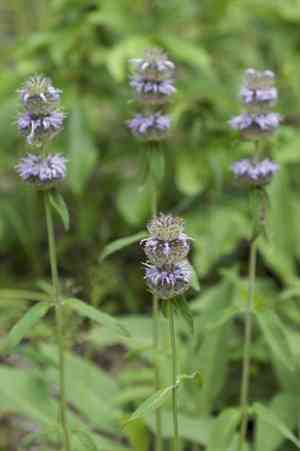
For the downy pagoda plant, the ideal time for relocation is from the gentle warmth of late spring through the beginning of summer. Select a location offering filtered sunlight and soil that drains effectively to foster robust development. Careful handling and attentive watering are crucial for a smooth adjustment.
What Preparations are Needed Before Transplanting Downy Pagoda Plant?
What is the Ideal Time for Transplanting Downy Pagoda Plant?
Relocate downy pagoda plant during the prime period of mid-spring through early summer, benefiting from warmer soil and stable conditions, perfect for root development. Moving downy pagoda plant at this time utilizes its natural growth cycle, promoting robust health. Your downy pagoda plant will thrive from this excellent start, allowing roots to establish comfortably before the intense summer heat.
How Much Space Should You Leave Between Downy Pagoda Plant Plants?
When arranging your downy pagoda plant, aim for a spacing of 12 inches (30 cm) to 3 feet (91 cm) apart. This provides ample room for each plant to flourish without competing for nutrients or sunlight.
What is the Best Soil Mix for Downy Pagoda Plant Transplanting?
Before planting downy pagoda plant, incorporate well-draining soil with a loamy consistency. Enrich the area with a balanced, slow-release fertilizer to give your downy pagoda plant a nourishing start. Target a pH level that is neutral to slightly acidic.
Where Should You Relocate Your Downy Pagoda Plant?
Select a location for your downy pagoda plant that receives sun to partial shade, allowing it to soak up sunlight for at least part of the day. A spot with morning sun and afternoon shade is optimal to shield it during the hottest hours.
What Equipments Should You Prepare Before Transplantation Downy Pagoda Plant?
Gardening Gloves
To safeguard your hands while handling soil and the plant.
Watering Can or Hose
To hydrate the downy pagoda plant before and after its relocation.
Shovel or Spade
To excavate and move the downy pagoda plant's root ball.
Hand Trowel
For more delicate tasks around the roots and when placing in the new spot.
Pruning Shears
To trim any damaged roots or foliage as needed.
Garden Fork
To loosen the soil around the root area when extracting the plant.
Wheelbarrow or Garden Cart
To easily transport the downy pagoda plant and soil if necessary.
Organic Mulch
To apply after transplanting to conserve moisture and suppress weeds.
How Do You Remove Downy Pagoda Plant from the Soil?
How Do You Remove Downy Pagoda Plant from the Soil?
From Ground: Moisten the downy pagoda plant's soil. Dig a wide circle around the plant with a shovel, keeping the root ball intact. Use a garden fork to gently lift and loosen the soil beneath the root ball, then carefully extract the plant from its spot.From Pot: Water the plant to facilitate root ball removal. Turn the pot on its side, tap the base, and gently ease the downy pagoda plant out. If the plant is root-bound, carefully separate the roots without excessive force.From Seedling Tray: Water the seedlings gently. Use a hand trowel or similar tool to carefully remove the seedlings from the tray, ensuring the root ball is supported to prevent damage.
Step-by-Step Guide for Transplanting Downy Pagoda Plant
Pre-Transplant Watering
Thoroughly water the downy pagoda plant before transplanting to ensure its roots are well-hydrated.
Digging New Hole
Excavate a hole in the ground that is twice as wide and equally deep as the downy pagoda plant's root ball.
Plant Placement
Position the downy pagoda plant in the new hole, gently spreading its roots. Ensure the plant is at the same depth as it was in its original location.
Backfilling
Fill in the area around the root ball with soil, gently firming it to remove air pockets. Avoid compacting the soil too much, as this can harm roots and impede growth.
Watering In
Water the newly transplanted plant thoroughly to settle the soil around the roots and help minimize transplant shock.
Applying Mulch
Apply mulch around the base of the downy pagoda plant, keeping it away from direct contact with the stems, to help retain moisture.
How Do You Care For Downy Pagoda Plant After Transplanting?
Monitoring
Inspect the plant daily for indications of stress like wilting or discolored leaves and promptly address any issues.
Regular Watering
Irrigate the downy pagoda plant to maintain consistent soil moisture, promoting steady growth and reducing transplant shock.
Mulching
Maintain a layer of mulch around the downy pagoda plant to preserve soil moisture and prevent significant temperature fluctuations.
Pruning
Trim away any dead or damaged foliage to redirect energy towards healthy growth.
Troubleshooting Common Issues with Downy Pagoda Plant Transplantation.
What's the best time to transplant downy pagoda plant?
Relocate downy pagoda plant when the weather warms, ideally from late spring to early summer for optimal root establishment.
How far apart should I space downy pagoda plant when transplanting?
Space downy pagoda plant approximately 12 inches to 3 feet (30 cm to 90 cm) apart to allow them room to thrive.
How deep should the hole be for transplanting downy pagoda plant?
Dig a hole as deep as the root ball and twice as wide to accommodate downy pagoda plant's growth.
Why are my transplanted downy pagoda plant plants wilting?
Wilting after transplanting is common. Ensure adequate watering and avoid direct sun until they are established.
Should I fertilize downy pagoda plant after transplanting?
Wait a few weeks before applying a mild fertilizer to prevent root burn on downy pagoda plant.
How much should I water downy pagoda plant after transplanting?
Keep the soil consistently moist but not waterlogged to help downy pagoda plant roots settle in their new spot.
Can downy pagoda plant be transplanted under full sun exposure?
Transplant downy pagoda plant in a partially shaded area to protect from intense sun while they acclimate.
What should I do if downy pagoda plant's leaves turn yellow after transplanting?
Yellowing may indicate shock or water imbalance. Adjust care and observe for improvement.
How can I tell if downy pagoda plant is root-bound when transplanting?
If downy pagoda plant's roots encircle the pot's bottom, it's root-bound. Gently tease out roots during transplant.
Can downy pagoda plant handle transplanting in extreme temperatures?
Avoid transplanting during peak summer or winter. Mild temperatures are ideal for downy pagoda plant to flourish.



