How to Prune Downy pagoda plant?
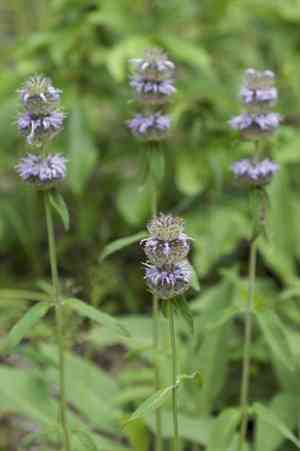
This enduring herbaceous plant is recognized by its layered floral arrangements. For downy pagoda plant, removing spent or withered blossoms stimulates fresh development and preserves its visual appeal. Trim in springtime to sculpt and foster denser foliage; eliminate aged stalks in autumn for neatness. Reducing its size in summer also revitalizes the plant and aids in controlling its dimensions. Particularly for downy pagoda plant, this type of trimming bolsters stem robustness and improves blooming, ideally performed during active growth phases and not during inactive periods for peak well-being.
What Are the Benefits of Pruning Downy Pagoda Plant?
What Are the Benefits of Pruning Downy Pagoda Plant?
Trimming downy pagoda plant promotes abundant flowering, preserves its form, and encourages vigorous development. This targeted cutting helps direct the plant's energy towards producing vibrant blossoms, ensuring health and an attractive shape.
What Is the Best Time for Pruning Downy Pagoda Plant?
What Is the Best Time for Pruning Downy Pagoda Plant?
Late Spring and early Summer provide an opportune time for downy pagoda plant's pruning because the plant has finished blooming by then, allowing gardeners to shape it without significantly impacting next year's flowers. It also aids in stimulating new growth, which is more robust in warmer weather. Late Fall, following the initial light frost, is another suitable period to prune as the plant enters dormancy, reducing stress on downy pagoda plant. This timing prevents the risk of disease or pest infestation that can occur with pruning in warmer, more humid months.
What Tools Do I Need to Prune Downy Pagoda Plant?
Hand Pruners
Downy pagoda plant is a relatively small herbaceous plant, and for its delicate stems, hand pruners would offer precision and control. Opt for bypass pruners over anvil pruners to achieve clean cuts that foster healthy regrowth.
Pruning Shears
Given downy pagoda plant's growth habit, which may include multiple stems and a somewhat bushy appearance, sharp pruning shears are ideal for shaping the plant and removing any unwanted growth. The shears enable quick, clean snips without causing unnecessary harm to the plant tissues.
Garden Scissors
For more intricate, detailed tasks, such as deadheading or thinning out small, congested areas, garden scissors are an excellent choice. Their slender blades are well-suited for reaching into tight spots within downy pagoda plant's structure without disturbing the surrounding foliage.
How to Prune Downy Pagoda Plant
Clean and prepare tools
Sanitize your pruning shears with rubbing alcohol to prevent the spread of diseases while trimming downy pagoda plant. Ensure the tools are sharp to make clean cuts without damaging the plant tissues.
Remove diseased leaves
Carefully inspect downy pagoda plant for any ailing leaves. Use your pruning shears to snip off diseased leaves at the stem's base, ensuring you do not tear or harm adjacent healthy foliage.
Trim withered leaves
Identify any dried or yellowing leaves on downy pagoda plant and snip them off at the stem's base. Removing these leaves will enhance air circulation and redirect downy pagoda plant's energy towards producing new growth.
Deadhead withered flower
Locate spent flowers on downy pagoda plant and deadhead them by cutting the flower stem just above the first set of healthy leaves. This encourages further blooming and maintains downy pagoda plant's appearance.
Disinfect after pruning
After pruning downy pagoda plant, clean and disinfect your shears again to eliminate any pathogens that might have been transferred during the process.
Common Pruning Mistakes with Downy Pagoda Plant
Overpruning
Removing too much foliage can stress downy pagoda plant, as it relies on its leaves for photosynthesis. Excessive pruning may lead to reduced blooming and vigor.
Blunt tool use
Using dull or unsanitized pruning tools can damage downy pagoda plant's stems, resulting in jagged cuts that are more vulnerable to disease and pests.
Neglecting deadheading
Failing to remove spent flowers can prevent downy pagoda plant from producing new blooms, as it might prioritize seed production instead.
Improper cut location
Cutting too far above a leaf node, or into the woody part of the stem without a nearby leaf node, can result in unsightly stubs and hinder new growth.
Common Pruning Tips for Downy Pagoda Plant
Clean sharp tools
Use sterile, sharp scissors or pruners to make clean cuts on downy pagoda plant, which will aid in quick healing and reduce the risk of disease entry.
Selective pruning
Prune selectively to thin out crowded areas and remove only damaged or diseased stems, encouraging better air circulation and light penetration.
Correct angle
Cut at a 45-degree angle just above a leaf node to promote new growth. This angle allows water to run off and helps prevent disease.
Monitor plant health
Regularly observe downy pagoda plant for signs of stress post-pruning and maintain consistent watering and feeding to support recovery and robust growth.



