How Much Sunlight Do Downy pagoda plant Need?
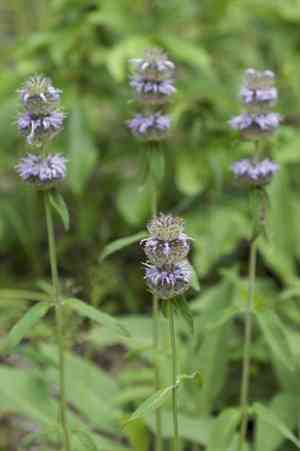
1
The downy pagoda plant flourishes optimally with more than six hours of direct sunlight daily.
2
It is capable of enduring some shade, though its blooming might be less prolific.
3
Adequate illumination contributes to preserving the plant's vivid coloration and strong development.
Optimal Illumination Requirements for Downy pagoda plant
Ideal Light Conditions
The Downy pagoda plant is renowned for its affinity for solar exposure. Ideally, this species flourishes under full sun conditions. Full sun implies the plant should receive a minimum of 6 hours of direct sunlight daily. This robust exposure ensures sustained vigorous growth and maintains its vibrant foliage and blooms.
Daily Sunlight Duration
For peak development, aim to provide your Downy pagoda plant with at least 6 to 8 hours of direct sunlight each day. Positioning the plant in the sunniest area of your garden will help achieve this. If cultivating this plant indoors, placing it near a south-facing window can help replicate these conditions.
Light Intensity and Quality
It's not solely about the duration but also the caliber and strength of the sunlight. The Downy pagoda plant greatly benefits from strong, unobstructed solar rays. Ensure no impediments or trees cast shadows that could diminish the light's potency. Early morning sunlight is particularly advantageous as it is often less harsh and can help initiate the plant's photosynthesis process for the day.
How to Ensure Sufficient Sunlight for Downy pagoda plant
Selecting the Appropriate Location
One of the initial steps to guaranteeing your Downy pagoda plant receives ample sunlight is choosing the correct placement. In an outdoor garden, select a spot that gets full sun for most of the day. Confirm there are no larger plants or structures obstructing the sunlight. For indoor environments, south-facing windows are generally optimal, as they receive the most prolonged sunlight throughout the day.
Modifying Indoor Light Conditions
If you're cultivating the Downy pagoda plant indoors, you might need to pay extra attention to light conditions. Ensure that the plant is as close to a bright window as feasible. Periodically rotate the pot to ensure all sides receive equal sunlight, preventing the plant from developing unevenly.
Utilizing Supplemental Grow Lights
In instances where natural light is insufficient, especially during the darker months, artificial grow lights can be extremely beneficial. Seek out full-spectrum LED grow lights, which are designed to mimic natural sunlight. Position these lights approximately 30 to 45 centimeters (12 to 18 inches) above the plant and keep them on for about 8-12 hours daily to simulate the long daylight hours of summer.
Indicators of Insufficient or Excessive Sunlight
Identifying Light Deficiency
Signs of inadequate sunlight in the Downy pagoda plant include stunted development, pale or yellowing leaves, and fewer blossoms. If you observe these symptoms, re-evaluate the plant's light exposure and consider moving it to a brighter location.
Recognizing Overexposure to Sunlight
While sunlight is vital, too much can be detrimental. Indicators of excessive sunlight exposure include scorched or burnt foliage, and withered flowers. If the plant appears stressed, it might benefit from some afternoon shade, particularly during the hottest parts of the day.
Corrective Actions
To resolve light issues, simple adjustments can make a significant difference. For deficient light, try relocating the plant to a brighter spot, or supplementing with artificial grow lights. For excessive light, adding a shade cloth outdoors or moving the plant slightly away from direct indoor sun can help balance its requirements.
Seasonal Sunlight Variations for Downy pagoda plant
Sunlight Needs in Spring and Summer
During spring and summer, the Downy pagoda plant is in its active growth phase and thus requires more sunlight. Ensure it is exposed to at least 6-8 hours of direct sunlight daily. This period is crucial for its development and blooming.
Sunlight Needs in Fall and Winter
Fall and winter bring reduced sunlight hours and intensity. During these periods, ensure the plant still receives as much light as possible. Consider moving indoor plants to a more exposed window and using grow lights to supplement the shorter daylight.
Adjusting Care for Seasonal Changes
Modify your care routine based on seasonal shifts. In warmer months, ensure adequate watering as more sunlight leads to higher water evaporation. In the colder months, reduce irrigation as the plant's growth slows down but compensate for lower natural light with extended hours under grow lights if necessary.



