How to Transplant Glue-seed?
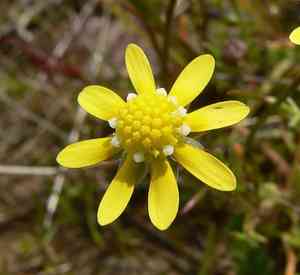
The optimal period for transplanting glue-seed extends from the revitalizing onset of early spring through the concluding warmth of late spring. Select a location that receives ample sunlight and features damp, adequately draining earth. Carefully coaxing the roots without disrupting the surrounding soil will facilitate a seamless establishment.
What Preparations are Needed Before Transplanting Glue-seed?
What is the Ideal Time for Transplanting Glue-seed?
The optimal period for moving glue-seed is as winter recedes and before summer fully arrives. Transplant during the gentle shift to warm, bright days when new growth flourishes â essentially, from the refreshing start of early to the warmth of late spring. This timeframe allows glue-seed ample opportunity to establish roots comfortably and fully benefit from the upcoming long growing season, without the harshness of summer heat or winter cold. Introducing glue-seed to your garden during this thriving phase ensures a strong beginning to their life cycle, promoting vibrant displays that celebrate the season's awakening.
How Much Space Should You Leave Between Glue-seed Plants?
When getting ready to place your glue-seed in their new location, plan to position them approximately 4-6 inches (10-15 cm) apart. This provides each plant sufficient room to grow without overcrowding its neighbors.
What is the Best Soil Mix for Glue-seed Transplanting?
For your glue-seed, a well-draining soil enriched with organic material creates an ideal bed. Before transplanting, incorporate a balanced, slow-release fertilizer to give your plants a healthy start.
Where Should You Relocate Your Glue-seed?
Let's find a sunny spot for your glue-seed where they'll receive abundant light! Aim for a location that gets full sun exposure, allowing them to flourish throughout the day.
What Equipments Should You Prepare Before Transplantation Glue-seed?
Gardening Gloves
To safeguard your hands while handling soil and plants.
Trowel or Garden Spade
For excavating the hole and lifting the plant.
Watering Can or Hose
To hydrate the plant before and after relocation.
Pruning Shears
For trimming any dead or excess foliage prior to transplanting.
How Do You Remove Glue-seed from the Soil?
How Do You Remove Glue-seed from the Soil?
From Ground: Moisten the glue-seed plant's soil. Dig a wide trench around the plant with a shovel or spade to protect the root ball. Carefully lift the plant from the ground, keeping roots intact.From Pot: Gently tap the pot's sides to loosen the soil. Tilt the pot sideways and carefully slide the glue-seed out, supporting the plant's base with your hand. Avoid pulling the plant by its stem.From Seedling Tray: Dampen the soil to facilitate removal. Use a trowel or spoon to gently lift the glue-seed seedling without disturbing its roots.
Step-by-Step Guide for Transplanting Glue-seed
Preparation
Gather all necessary tools and prepare a watering can filled with water.
Plant Removal
Follow the appropriate removal method based on whether the glue-seed is in the ground, a pot, or a seedling tray.
Hole Digging
Excavate a hole in the ground large enough to accommodate the glue-seed's root ball.
Transplanting
Gently place the glue-seed into the hole. The top of the root ball should be level with the surrounding soil surface.
Filling the Hole
Backfill the hole with the removed soil, gently firming it as you go to eliminate any air pockets.
Watering
Thoroughly water the glue-seed to settle the soil and provide moisture to its roots.
How Do You Care For Glue-seed After Transplanting?
Watering
Keep the soil around the glue-seed moist for the initial weeks post-transplant to aid root establishment.
Support
Stake the glue-seed if needed, especially in windy areas, to prevent it from being uprooted.
Mulching
Apply a layer of mulch around the glue-seed to help retain moisture and regulate soil temperature.
Monitoring
Regularly check the plant for signs of stress, such as wilting or discolored leaves, and take appropriate action.
Troubleshooting Common Issues with Glue-seed Transplantation.
When's the best time to transplant glue-seed?
The optimal period for transplanting glue-seed is from early to late spring when temperatures are mild.
What's the ideal distance apart for planting glue-seed?
Spacing glue-seed about 4-6 inches (10-15 cm) apart provides ample room for growth and air circulation.
How do I prepare the soil before transplanting glue-seed?
Enrich the soil with compost and ensure good drainage before planting glue-seed for optimal development.
Can glue-seed tolerate transplant shock?
Like many annuals, glue-seed can experience stress. Minimize shock by transplanting on overcast days or in the evening.
How deep should I plant glue-seed seedlings?
Plant glue-seed seedlings to the same depth they were in their previous container to prevent root exposure.
What's the best watering schedule after transplanting glue-seed?
Water glue-seed generously after transplanting, then regularly to keep the soil moist but not waterlogged.
Should I fertilize glue-seed after transplanting?
Wait 2-3 weeks before applying a balanced fertilizer to avoid burning the roots of glue-seed.
How much sunlight does glue-seed need after transplanting?
Glue-seed thrives in full sun. Ensure it receives at least 6 hours of direct sunlight daily.
Is it necessary to prune glue-seed after transplanting?
Pruning isn't usually necessary for glue-seed, but remove any damaged leaves to encourage healthy growth.
How do I protect newly transplanted glue-seed from pests?
Regularly inspect your glue-seed and use appropriate organic pest control measures as needed.



