The Glue-seed Plant Advantage: Maximizing Home and Office Appeal and Wellness
1
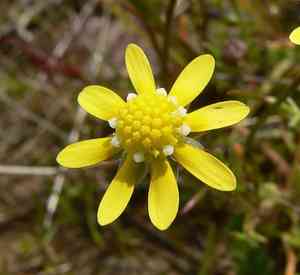
Glue-seed is recognized for its brilliant yellow blooms, capable of enlivening any outdoor space.
2
It flourishes in marshy habitats, making it an excellent choice for damp and waterlogged ground.
3
Glue-seed finds application in environmental recovery initiatives to aid in soil stabilization and wildlife sustenance.
What Are the Key Advantages of Glue-seed?
Ecological Advantages
Glue-seed plays a vital part in ecological restoration efforts. Its root structure aids in stabilizing the ground, preventing erosion in wetlands and other damp environments. By doing so, it helps preserve the integrity of various ecosystems. Furthermore, Glue-seed offers shelter and sustenance for local wildlife, including essential pollinators like bees and butterflies, which are crucial for ecosystem health.
Visual Appeal
A prominent characteristic of Glue-seed is its vivid, bright yellow blossoms that appear in early spring. These flowers are not only visually striking but also draw in a variety of pollinators, bringing vibrancy and color to your garden. Its dense growth habit and cheerful blooms can make Glue-seed a focal point in landscape designs, garden borders, and even as ground cover in wetter areas.
How Can You Successfully Grow Glue-seed?
Optimal Growth Conditions
Glue-seed thrives in wetland settings, making it an excellent option for gardeners dealing with waterlogged soils. It prefers full sun to partial shade and can flourish in both freshwater and brackish conditions. This adaptability means Glue-seed can be planted in diverse locations, from naturalized zones to managed gardens with water features.
Planting and Care Advice
To successfully cultivate Glue-seed, consider beginning with seeds or young plants. Ensure the planting site is moist and has adequate drainage to mimic its natural habitat. Consistent watering is crucial, especially during dry spells. Applying mulch around the base can help retain moisture and maintain stable soil temperature. Pruning is generally not required, but removing dead or diseased stems can encourage healthier growth.
What Are the Environmental Contributions of Glue-seed?
Soil Stabilization
Glue-seed is instrumental in soil stabilization, particularly in wetland regions. Its extensive root system binds the soil, reducing erosion and helping to maintain the landscape's structure. This makes it an invaluable plant for areas prone to runoff and soil degradation.
Biodiversity Support
By providing food and habitat for various species, Glue-seed enhances local biodiversity. Pollinators such as bees and butterflies are especially drawn to its flowers, while its foliage offers refuge for small insects and animals. This support for biodiversity is essential for a healthy ecosystem, contributing to the resilience of different species populations.
Why Select Glue-seed for Your Garden or Project?
Minimal Maintenance Requirements
One of the most attractive aspects of Glue-seed is its low maintenance needs. Once established, it requires minimal intervention, primarily occasional watering during extended dry periods. This makes it an excellent choice for gardeners who prefer a hands-off approach to plant care.
Versatility in Application
Glue-seed is not solely for garden use; it can be incorporated into various landscaping and restoration projects. Whether you aim to enhance a garden's aesthetic appeal or contribute to wetland restoration, Glue-seed is adaptable enough to meet diverse requirements. Its ability to thrive in different moisture levels and soil types further broadens its utility.



