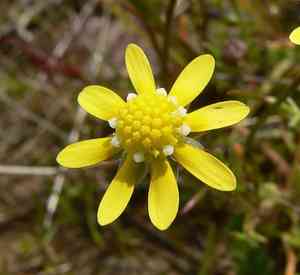
Glue-seed (Blennosperma nanum)
Also known as: Baby Blue Eyes, Yellow Carpet
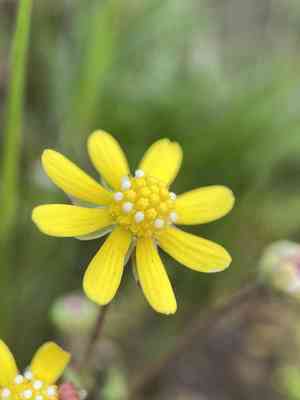
An annual with small, pale yellow flower heads stands out due to its unique characteristics. The flower heads are lighter in color compared to many daisy-like species. A notable feature is the ring of stamens, which exude a sticky white substance rich in pollen. Additionally, the plant's fruits are enveloped in a glue-like fluid, aiding in their dispersal.
In This Article
Attributes of Glue-seed
Lifespan
Annual
Plant Type
Herb
Plant Height
4 cm to 25 cm
Spread
Small and compact, often not exceeding the plant\'s height
Leaf Color
Green
Flower Size
8 mm to 1.8 cm
Flower Color
Yellow
Images of Glue-seed
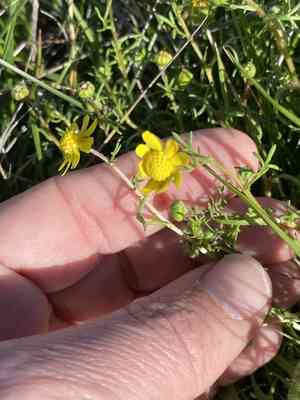
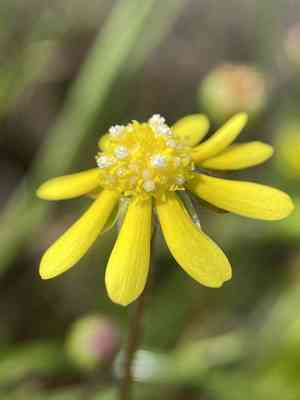
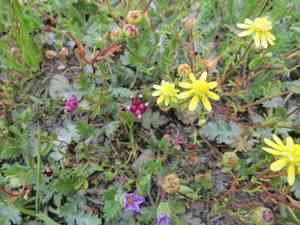
Quickly Identify Glue-seed
1
Identify Blennosperma nanum by its small size, bright yellow daisy-like flowers, and smooth, spatulate green leaves. This plant usually grows no more than 20 cm tall.
Scientific Classification of Glue-seed
Phylum
Vascular plants
Class
Dicotyledons
Order
Asterales
Family
Daisy
Genus
Blennosperma
Species
Glue-seed
Planting and Growing of Glue-seed
Care Difficulty
Easy
Watering Schedule
Every 2 days
Sunlight Requirements
Full sun
Sunshine Duration
4-6 hours
Ideal Temperature
55-75℉
Soil Type
Potting Mix, Peat Mix
Soil pH
6.5-7.5
Fertilizer Type
Balanced
Pruning Season
Spring, Summer
Pruning Area
Branches, Leaves
Pruning Frequency
2 times a year
Repotting Season
Spring
Pot Type
Terracotta, Plastic
 How to Water Glue-seed?
Blennosperma nanum prefers a moderate watering amount. Ensure that the soil is moist but not overly soggy. Approximately 150 milliliters of water per session is ideal, making sure the water drains well from the pot. The golden rule is to allow the top inch of the soil to dry out between waterings.
What are the symptoms of an underwatered Glue-seed?
›
What should I do if my Glue-seed is not getting enough water?
›
What are the symptoms of an overwatered Glue-seed?
›
How to save an overwatered Glue-seed?
›
 What Are the Sunlight Requirements for Glue-seed?
Blennosperma nanum ideally thrives in full to partial sun. This light range supports thorough photosynthetic activity, ensuring lively foliage and abundant blooms while boosting its resilience and aesthetic appeal.
What is the best light condition for Blennosperma nanum?
›
How to achieve ideal light conditions for Blennosperma nanum?
›
What are the effects of perfect lighting on Blennosperma nanum?
›
 What Is the Ideal Temperature Range for Glue-seed?
The temperature range of 55°F to 75°F provides optimal conditions for Blennosperma nanum by mimicking its natural habitat. This range allows for proper metabolic functions, encouraging photosynthesis and growth while limiting excessive transpiration. The stable conditions ensure that the plant doesn't experience stress, which can hinder its development. Therefore, maintaining this range is crucial for healthy growth.
 What Soil is Best for Glue-seed?
Blennosperma nanum thrives in well-drained soil, ensuring that it does not sit in waterlogged conditions. This prevents root rot and ensures proper nutrient uptake, promoting vibrant growth and healthy blooms. Opting for loamy soil enriched with organic matter can significantly benefit Blennosperma nanum. The nutrients in the soil help in developing robust stems and a fuller plant, supporting its overall health and longevity. While the soil should not be waterlogged, it must retain moderate moisture levels. This balance avoids drought stress while preventing fungal diseases, allowing Blennosperma nanum to bloom profusely in the growing season.
 How to Fertilize Glue-seed?
Blennosperma nanum does not require heavy fertilization. When using a liquid fertilizer, a diluted amount of about half the regular strength is sufficient. For slow-release fertilizers, use a minimal amount that covers the soil's surface without overwhelming it.
 How to Prune Glue-seed?
Begin by inspecting your Blennosperma nanum for any dead, damaged, or diseased leaves and stems. Carefully snip these parts away at the base. To maintain a compact shape, trim back overly long or leggy stems to just above a set of leaves. Ensure your cuts are clean and angled to prevent water from collecting on cut surfaces, which can lead to rot.
More About Pruning Techniques→
 How to Propagate Glue-seed plant?
1
First, fill your seed tray with the potting mix up to just below the brim. Then, scatter the seeds evenly across the surface. Cover them with a thin layer of soil, no deeper than twice the seed’s thickness to ensure adequate light penetration necessary for germination.
2
Water the seeds gently using a watering can with a fine rose. The key is to moisten the soil without creating pools of standing water, as excessive moisture can lead to fungal diseases which will hinder seed growth.
3
Place the seed tray in an area that receives bright, indirect sunlight. Alternatively, you can use a grow light if natural sunlight is insufficient. Proper lighting is critical for the healthy growth of Blennosperma nanum seedlings.
 How to Repot Glue-seed plant?
1
Blennosperma nanum typically requires repotting when their roots start circling the pot or when growth slows despite adequate care. The ideal time for repotting is during early spring, as this allows the plant to recover during its growing season. It's important to be observant of its growth patterns to anticipate its needs.
2
Select a pot that is just one size bigger than the current one, ensuring it has adequate drainage holes. A pot that is too large can retain excess moisture leading to root rot, while a material like terracotta helps with better water evaporation, keeping conditions ideal for Blennosperma nanum.
3
Opt for a well-draining, sandy soil mix that mimics the plant's natural environment. This type of soil aids in preventing waterlogging and ensures that the roots receive adequate oxygen. Amending with coarse sand or fine gravel can enhance drainage and support healthy growth in potted environments.
Learn More About Glue-seed Diseases
Anthracnose
Bacterial Leaf Spot
Bacterial Soft Rot
Bacterial Wilt
Black Spot
Chemical Injury
Damping-off
Downy Mildew
Drought Stress
Fusarium Wilt
Gray Mold
Leaf Curl
Leaf Spot
Mosaic
Nutrient Deficiency
Nutrient Toxicity
Powdery Mildew
Root Rot
Root-knot Nematode
Rusts
Sooty Mold
Spider Mites
Temperature Stress
Thrips Damage
White Mold



