How to Prune Glue-seed?
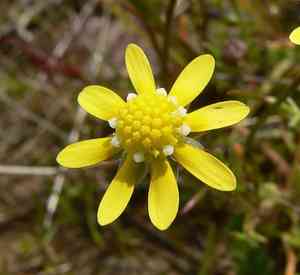
This small, flowering perennial flourishes with infrequent trimming. Essential pruning methods for glue-seed include removing faded blossoms to stimulate additional flowering and cutting back deceased or excessively long stems to preserve a tidy look. The most effective time for pruning is after flowering, from spring until autumn, aligning with the plant's natural development and fostering robust growth in the following period. Consistent pruning guarantees well-being and vigor, though glue-seed generally demands less attention compared to more demanding varieties.
What Are the Benefits of Pruning Glue-seed?
What Are the Benefits of Pruning Glue-seed?
Trimming glue-seed promotes more robust development and assists in maintaining a desired, compact form, ensuring the plant stays both visually appealing and thriving.
What Is the Best Time for Pruning Glue-seed?
What Is the Best Time for Pruning Glue-seed?
For glue-seed, trimming in Spring aligns with its post-dormancy growth surge, enabling gardeners to shape the plant and guide its development without undue stress. Fall pruning is also beneficial for removing spent flowers and preparing glue-seed for its dormant period. Avoid summer pruning when glue-seed might be stressed by heat, which could hinder its recovery and vitality.
What Tools Do I Need to Prune Glue-seed?
Hand-held pruning shears
Perfect for precise trimming of glue-seed, allowing gardeners to carefully remove dead or overgrown stems without harming the delicate living parts.
Gardening gloves
Protect the gardener's hands from the sticky residue that glue-seed may leave, hence its common name 'Glue-seed'.
Pruning Snips
Small and sharp, these are suitable for taking cuttings or deadheading glue-seed, if needed, to maintain plant health and appearance.
How to Prune Glue-seed
Clean tools
Before trimming glue-seed, ensure all pruning tools are clean and sharp to prevent disease spread and make precise cuts.
Identify
Locate the withered leaves on glue-seed without disturbing the healthy sections of the plant. Look for leaves that are brown, dry, or visibly damaged.
Cut
Using your clean pruning shears, carefully snip away the withered leaves at their base, where they meet the stem. Avoid harming healthy tissue.
Dispose
Safely discard the withered leaves removed from glue-seed. Do not leave them on the ground as they could harbor pests or diseases that might affect the plant.
Monitor
After trimming, closely observe glue-seed for new signs of withered leaves and repeat the pruning process as necessary for plant health maintenance.
Common Pruning Mistakes with Glue-seed
Excessive pruning
Over-trimming can stress glue-seed, leading to weak growth or reduced flowering. It's crucial to avoid removing too much foliage, which can expose glue-seed to diseases and pests.
Improper cutting technique
Incorrect cutting methods can cause unnecessary injury to glue-seed. Cuts should be made with clean, sharp tools at a 45-degree angle to promote healing and prevent disease.
Pruning healthier parts
Prioritizing the trimming of healthy parts over dead or diseased foliage is a mistake. Always start by removing the latter to maintain glue-seed's vigor and appearance.
Unsterilized tools
Using unsterilized tools can introduce pathogens to glue-seed. It's important to clean and sterilize pruning equipment before use to prevent the spread of disease.
Neglecting plant shape
Not considering the natural shape of glue-seed can result in a lack of aesthetic appeal post-pruning. Prune with the natural form of the plant in mind for the best visual results.
Common Pruning Tips for Glue-seed
Deadheading
Regularly remove spent blossoms of glue-seed to encourage the growth of new flowers. This can also prevent self-seeding if not desired.
Spot pruning
Perform spot pruning on glue-seed to target dead, diseased, or overgrown areas without impacting the overall plant health. This selective approach aids in controlling plant shape and size.
Use sharp tools
Maintain sharp and clean pruning tools for making precise cuts on glue-seed. This helps to reduce stress on the plant and mitigates potential damage.
Healing time
Allow glue-seed ample time to heal after pruning by not over-handling the plant. This practice supports recovery and reduces stress.
Disease inspection
Examine glue-seed for signs of disease or pests before and after pruning. Immediate identification and response to these problems can minimize spread and damage.



