How to Transplant Newfoundland dwarf birch?
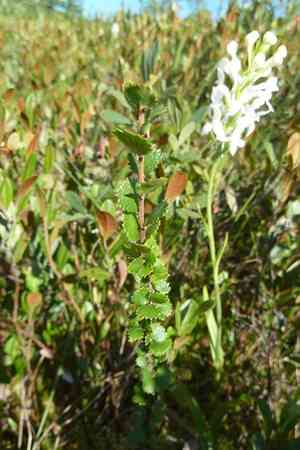
The most favorable period for relocating newfoundland dwarf birch is from early spring through its midpoint, enabling the plant to settle prior to the warmth of summer. Select a site offering partial sunlight and soil that drains effectively to guarantee a successful transfer.
What Preparations are Needed Before Transplanting Newfoundland Dwarf Birch?
What is the Ideal Time for Transplanting Newfoundland Dwarf Birch?
The best period for relocating newfoundland dwarf birch spans from early to mid-spring. During this time, the soil is damp, aiding root development, and the weather is mild, lessening transplant stress. This timing allows newfoundland dwarf birch sufficient time to adapt before the active growth season, boosting its chances of flourishing.
How Much Space Should You Leave Between Newfoundland Dwarf Birch Plants?
When moving newfoundland dwarf birch, position each plant 10-12 feet (3-3.6 meters) apart. This spacing promotes adequate growth and air circulation.
What is the Best Soil Mix for Newfoundland Dwarf Birch Transplanting?
For newfoundland dwarf birch, select well-draining acidic soil and incorporate an organic base fertilizer such as compost or aged manure to enrich the medium.
Where Should You Relocate Your Newfoundland Dwarf Birch?
Place newfoundland dwarf birch in an area that receives full sun to partial shade. Aim for a spot with at least 6 hours of daily sunlight.
What Equipments Should You Prepare Before Transplantation Newfoundland Dwarf Birch?
Gardening Gloves
To safeguard your hands while handling soil and the plant.
Shovel or Spade
To excavate around the plant and create a new planting site.
Trowel
For more precise digging tasks and to assist with the transplanting process.
Pruning Shears
To trim any damaged or excess roots.
Wheelbarrow
To move the plant to its new spot.
Watering Can or Hose
For hydrating the plant before and after its relocation.
Stakes and Ties
To provide support for the plant if necessary post-transplant.
Mulch
To help maintain soil moisture and regulate temperature around the newly planted specimen.
How Do You Remove Newfoundland Dwarf Birch from the Soil?
How Do You Remove Newfoundland Dwarf Birch from the Soil?
From Ground: First, moisten the newfoundland dwarf birch plant to soften the soil. Then, dig a wide trench around the plant using a shovel or spade, ensuring the plant's root ball stays intact. Carefully work the spade beneath the root ball to lift the plant from its original position.From Pot: Gently tilt the pot on its side and slide the newfoundland dwarf birch plant out, supporting it at the base. If the plant is root-bound, use a trowel or your fingers to carefully loosen the roots before removal.From Seedling Tray: Water the seedlings thoroughly before extraction. Use a trowel or a spoon to gently lift each newfoundland dwarf birch seedling, making sure to retain as much soil around the roots as possible.
Step-by-Step Guide for Transplanting Newfoundland Dwarf Birch
Planting Hole Preparation
Excavate a hole in the new location that is twice the width and equal in depth to the newfoundland dwarf birch's root ball.
Soil Removal and Replacement
Clear any large stones or debris from the planting hole. If the soil quality is poor, mix in some compost to enrich it.
Plant Placement
Position the newfoundland dwarf birch in the center of the hole, ensuring it sits at the same depth as it did in its previous spot. Gently spread out the roots if they are tightly packed.
Backfilling the Hole
Carefully refill the hole with soil, pressing down lightly to eliminate air pockets. Confirm the newfoundland dwarf birch is upright and stable.
Watering
Provide the newly transplanted newfoundland dwarf birch with a thorough watering to help settle the soil around its roots.
Applying Mulch
Spread a layer of mulch around the base of the newfoundland dwarf birch, keeping it clear of the stem to prevent rot. This will aid in moisture retention and maintain consistent soil temperature.
Staking and Support
If required, use stakes and ties to support the newfoundland dwarf birch, especially if it's a larger specimen or situated in a windy area.
How Do You Care For Newfoundland Dwarf Birch After Transplanting?
Watering
Keep the soil around the newfoundland dwarf birch consistently moist, but not waterlogged, for the initial weeks post-transplant to encourage strong root development.
Monitoring
Regularly inspect the newfoundland dwarf birch for any indications of transplant shock, such as wilting or yellowing foliage, and adjust care as necessary.
Pruning
Remove any dead or damaged leaves or branches to allow the plant to direct its energy towards root establishment.
Fertilizing
Wait a few weeks before applying any fertilizer to prevent burning the new roots. Use a balanced, slow-release fertilizer suitable for perennials.
Troubleshooting Common Issues with Newfoundland Dwarf Birch Transplantation.
When is the best time to transplant newfoundland dwarf birch?
Relocating newfoundland dwarf birch is best done from early spring to mid-spring for optimal growth.
How much space should I leave between newfoundland dwarf birch plants?
Ensure a spacing of 10-12 feet (3-3.6 meters) between newfoundland dwarf birch plants to allow for proper growth.
What type of soil is ideal for newfoundland dwarf birch?
Well-drained, slightly acidic to neutral soil is ideal for transplanting newfoundland dwarf birch.
Should newfoundland dwarf birch be watered immediately after transplanting?
Yes, thoroughly water newfoundland dwarf birch right after transplanting to help settle the soil and roots.
How can I reduce transplant shock for newfoundland dwarf birch?
Transplant newfoundland dwarf birch during cooler parts of the day and water well to reduce shock.
Can I add fertilizer when transplanting newfoundland dwarf birch?
Avoid adding fertilizer during transplanting. Wait until newfoundland dwarf birch is established to fertilize.
How deep should I plant newfoundland dwarf birch?
Plant newfoundland dwarf birch at the same depth it was growing previously to prevent root stress.
Is mulching necessary after transplanting newfoundland dwarf birch?
Apply a layer of mulch around newfoundland dwarf birch to retain moisture and regulate soil temperature.
How often should I water newfoundland dwarf birch after transplanting?
Water newfoundland dwarf birch regularly, keeping the soil moist but not soggy, especially in the first few weeks.
What should I do if newfoundland dwarf birch's leaves turn yellow after transplanting?
Yellow leaves may indicate transplant shock. Ensure proper watering and avoid over-fertilizing.



