How to Prune Newfoundland dwarf birch?
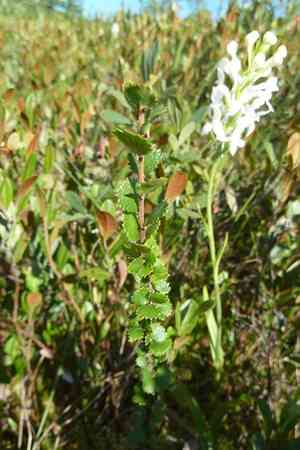
Newfoundland dwarf birch is characterized by its compact size and resilience to cold, necessitating precise trimming to foster robust development. The most suitable periods for pruning are in late winter or early spring, prior to the emergence of new shoots. Pruning while the plant is dormant minimizes stress and lessens the outflow of sap. Consistent trimming aids in preserving its dense form, stimulates the growth of branches, and eliminates any ailing or compromised branches. This practice is especially advantageous for averting the dissemination of diseases and improving air movement throughout the plant's canopy.
What Are the Benefits of Pruning Newfoundland Dwarf Birch?
What Are the Benefits of Pruning Newfoundland Dwarf Birch?
Trimming newfoundland dwarf birch encourages robust development and helps maintain its compact form. Regular cutting eliminates dead or overlapping branches, promoting improved air circulation and sunlight exposure, vital for its well-being and appearance.
What Is the Best Time for Pruning Newfoundland Dwarf Birch?
What Is the Best Time for Pruning Newfoundland Dwarf Birch?
Pruning newfoundland dwarf birch in late winter or early spring is beneficial as it coincides with its dormant phase before new growth starts. This timing helps prevent sap loss, which is minimal during these cooler months, reducing stress on newfoundland dwarf birch. Furthermore, pruning prior to spring growth allows gardeners to effectively shape the plant and fosters healthier, more vigorous development throughout the growing season. It also minimizes the risk of disease infection, as many pathogens are less active in colder weather. This timing ensures wounds heal faster, further boosting the plant's overall health.
What Tools Do I Need to Prune Newfoundland Dwarf Birch?
Hand Pruners
Perfect for making clean cuts on newfoundland dwarf birch's smaller branches and twigs. Choose bypass pruners for a cleaner, healthier cut, which is essential for the plant's recovery and growth.
Lopping Shears
Suitable for trimming slightly thicker branches of newfoundland dwarf birch that are typically hard to reach. These shears provide long handles for extra leverage and reach, minimizing damage to the plant structure.
Pruning Saw
Essential for removing any mature or dead branches from newfoundland dwarf birch. A pruning saw allows for precise cuts on thicker branches, promoting better health and aesthetic shape.
How to Prune Newfoundland Dwarf Birch
Preparation
Before starting to prune newfoundland dwarf birch, gather all necessary tools including a pair of clean, sharp pruning shears and gloves. Sanitizing the shears before use helps prevent the spread of disease.
Diseased and dead branch removal
Identify and remove all dead and diseased branches from newfoundland dwarf birch. These are typically characterized by a dry, brittle texture and discoloration. Cut these branches at the point where they join healthy wood, ensuring a clean cut without leaving stubs.
Diseased leaves removal
Carefully inspect newfoundland dwarf birch for diseased and withered leaves. Gently remove these leaves by either snipping them off at the base of the leaf stem or by carefully pulling them off to avoid damaging the healthy parts of the plant.
Thinning
Thin out the canopy of newfoundland dwarf birch to enhance air circulation and light penetration. Target areas that are dense with branches, ensuring to maintain the natural shape of the plant. Remove interior branches that are crossing or rubbing against each other.
Cleanup
After pruning, clean up all removed material from around newfoundland dwarf birch to discourage the growth of pests and disease. Dispose of diseased materials properly to prevent any spread of disease in your garden.
Common Pruning Mistakes with Newfoundland Dwarf Birch
Over-pruning
Removing too much foliage from newfoundland dwarf birch can stress the plant, causing weak growth and reducing its overall health. Novice gardeners often make the mistake of excessive pruning in an attempt to shape the plant quickly.
Improper cuts
Making cuts too close to the trunk or main branches can lead to wounds that are slow to heal, increasing the risk of disease and pest infestation in newfoundland dwarf birch.
Neglecting tool hygiene
Using dirty pruning tools, or those not sharp enough, can damage the branches of newfoundland dwarf birch, leading to jagged cuts that poorly heal and may introduce pathogens.
Ignoring plant structure
Failing to consider the natural shape and growth pattern of newfoundland dwarf birch during pruning can result in an unbalanced, unhealthy plant with poor aesthetic value.
Common Pruning Tips for Newfoundland Dwarf Birch
Correct tool selection
Utilize sharp, clean pruning shears for newfoundland dwarf birch. Proper tool maintenance ensures clean cuts that heal quickly, preventing disease. Keep tools disinfected, especially when moving between different plants.
Selective pruning
Focus on removing only dead or diseased branches, and thin out areas to enhance sunlight penetration and air circulation. This method encourages healthier growth and maintains the plantâs natural form.
Gradual shaping
For aesthetic shaping of newfoundland dwarf birch, prune gradually over several seasons. This approach allows the plant to maintain strength and vigour, reducing the stress caused by losing too much foliage at once.
Considering growth habit
Understand the growth pattern of newfoundland dwarf birch to make informed pruning decisions that encourage flowering and balanced growth. This involves recognizing the points on the plant that tend to produce new shoots.



