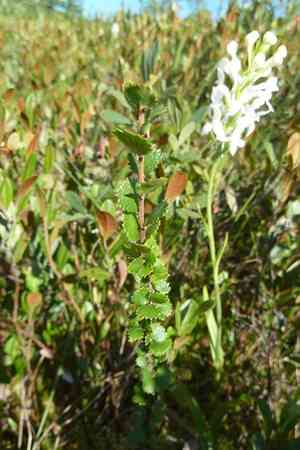
Newfoundland dwarf birch (Betula michauxii)
Also known as: Gray Birch, White Birch
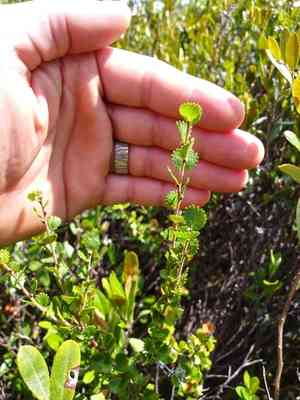
The species reaches a height of 0.5 meters and emits a wintergreen aroma. The leaves are obovate with a smooth, glabrous surface. The infructescence is cylindrical, upright, and short, measuring 5 to 8 mm in length. By fall, the fruits mature and, like the leaves, have a glabrous texture.
In This Article
Attributes of Newfoundland dwarf birch
Lifespan
Perennial
Plant Type
Shrub
Plant Height
10-20 meters
Spread
4-8 meters
Leaf Color
Green
Flower Size
1-2 centimeters
Flower Color
Yellowish-Green
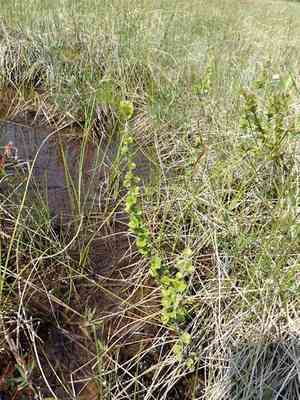
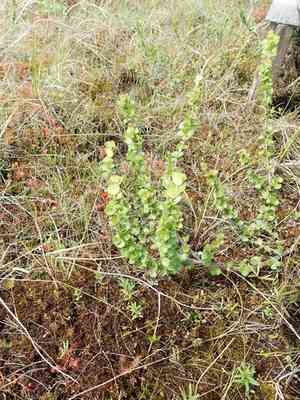
Images of Newfoundland dwarf birch
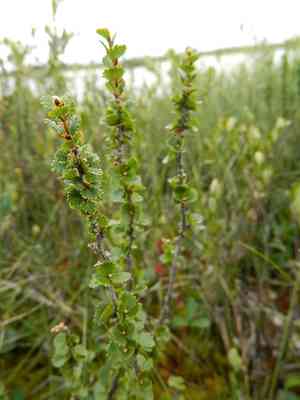
Quickly Identify Newfoundland dwarf birch
1
To identify Betula michauxii, look for its smooth, white to gray bark that may peel off in thin strips. The leaves are typically oval with serrated edges, and the tree produces small, cone-like fruit called catkins.
Scientific Classification of Newfoundland dwarf birch
Phylum
Vascular plants
Class
Dicotyledons
Order
Fagales
Family
Birch
Genus
Betula
Species
Newfoundland dwarf birch
Planting and Growing of Newfoundland dwarf birch
Care Difficulty
Easy
Watering Schedule
Every 3 days
Sunlight Requirements
Partial sun
Sunshine Duration
10-12 hours
Ideal Temperature
60-75℉
Soil Type
Potting Mix, Peat Mix
Soil pH
5-6.5
Fertilizer Type
Balanced
Pruning Season
Spring, Summer
Pruning Area
Branches, Leaves
Pruning Frequency
2 times a year
Repotting Season
Spring
Pot Type
Terracotta, Plastic
 How to Water Newfoundland dwarf birch?
When watering Betula michauxii, ensure the soil is thoroughly moistened but not waterlogged, about 500 ml per session. The aim is to mimic the natural environment, where the soil receives consistent moisture without becoming overly saturated. Allow the top layer of soil to dry out slightly between waterings.
What are the symptoms of an underwatered Newfoundland dwarf birch?
›
What should I do if my Newfoundland dwarf birch is not getting enough water?
›
What are the symptoms of an overwatered Newfoundland dwarf birch?
›
How to save an overwatered Newfoundland dwarf birch?
›
 What Are the Sunlight Requirements for Newfoundland dwarf birch?
Betula michauxii flourishes under partial sunlight conditions, receiving approximately 4 to 6 hours of sunlight daily. This allows adequate photosynthesis, fostering healthy growth and development while preventing the risks of overexposure.
What is the ideal amount of sunlight for Betula michauxii?
›
How can you ensure Betula michauxii receives ideal lighting conditions?
›
What benefits does Betula michauxii gain from ideal lighting?
›
 What Is the Ideal Temperature Range for Newfoundland dwarf birch?
The ideal temperature range for Betula michauxii, commonly known as Michaux's birch, is between 60°F and 75°F. This range supports optimal growth by providing the necessary warmth without causing heat stress. Ensuring temperatures remain within this range will promote healthy foliage and robust growth.
 What Soil is Best for Newfoundland dwarf birch?
Betula michauxii requires soil with excellent drainage to prevent root rot. Well-drained soils allow excess water to escape, ensuring the roots don't sit in water, which promotes healthier growth. While good drainage is crucial, the soil should also retain some moisture to keep the roots hydrated, especially during dry spells. This balance helps the plant maintain its vigor and reduces stress. A soil rich in organic matter provides essential nutrients and fosters a robust microbial community that supports the plant's growth and resilience against diseases.
 How to Fertilize Newfoundland dwarf birch?
For Betula michauxii, a moderate amount of fertilizer is essential. Use approximately half the recommended dose for general-purpose fertilizers to avoid over-fertilization. For liquid fertilizers, dilute to half strength. This ensures the plant receives adequate nutrients without the risk of nutrient burn.
 How to Prune Newfoundland dwarf birch?
Begin by gathering sharp, clean pruning shears to make clean cuts and reduce the risk of infection. Inspect the tree for dead or damaged branches, which are often easily identifiable in late winter or early spring before new leaves appear. Start by removing any dead or diseased branches at their base, ensuring a neat cut close to the trunk. Consider trimming back overly crowded or crossed branches to open up the tree's canopy, encouraging better light penetration and air flow.
More About Pruning Techniques→
 How to Propagate Newfoundland dwarf birch plant?
1
To enhance germination, seeds may require stratification, which involves pre-treating them in moist, cold conditions to break dormancy. Mimicking natural winter conditions by placing seeds in the refrigerator for several weeks can be effective.
2
Cuttings are taken from healthy branches of the plant. Use clean and sharp shears to cut sections approximately 6 inches long. Remove any leaves from the lower part of the cutting to prepare for rooting.
3
Layering involves bending a low branch to the ground and lightly covering it with soil, leaving the tip exposed. Over time, roots will form from the buried section, allowing for easy separation and transplantation.
 How to Repot Newfoundland dwarf birch plant?
1
Betula michauxii, commonly known as dwarf birch, exhibits signs for repotting when you notice roots emerging from the pot's drainage holes or if the soil dries out rapidly between waterings. Such signals usually indicate that the plant is root-bound and needs more space to thrive.
2
Select a pot that is one size larger than the current one to give roots adequate space to expand. Opt for a container with good drainage to prevent waterlogging, which can lead to root rot. A well-chosen pot promotes healthier root development and facilitates nutrient uptake.
3
Choose a well-draining, acidic soil mix that emulates Betula michauxii's natural habitat. A sandy or loamy mix works well, allowing excess water to escape easily. This type of soil ensures roots have adequate oxygen and reduces the risk of fungal disease development.



