How to Propagate Newfoundland dwarf birch?
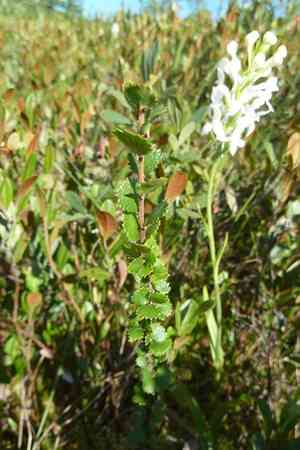
Newfoundland dwarf birch can be successfully multiplied using cuttings, a technique well-suited to its growth patterns and attributes. Cultivators ought to prioritize choosing robust, non-blooming stems to enhance the probability of successful root development. Cuttings must be collected during periods of vigorous growth, ensuring their immediate placement in adequately draining, nutrient-rich soil to encourage swift integration.
Optimal Period for Propagating Newfoundland Dwarf Birch?
Propagation Type
Cutting
Propagation Season
Autumn,Winter
Tools Utilized in Newfoundland Dwarf Birch Propagation?
Sharp Pruning Shears
Perfect for taking cuttings of newfoundland dwarf birch, sharp pruning shears guarantee a clean and precise cut, minimizing harm. This instrument helps maintain the well-being of both the parent plant and the cutting, fostering superior rooting and development.
Rooting Hormone
This chemical compound stimulates root development from cuttings of newfoundland dwarf birch. Applying rooting hormone to the freshly cut ends assists in the rapid formation of roots, boosting the propagation success rate.
Sterile Potting Mix
Employing a sterile potting mix prevents illness and supports robust root growth. For newfoundland dwarf birch, a blend formulated for woody plants with excellent drainage and moisture retention is advantageous, supporting delicate new roots without waterlogging them.
Propagation Trays
These trays are crucial for organizing and nurturing multiple cuttings of newfoundland dwarf birch in a regulated setting. The trays aid in sustaining consistent moisture and temperature, vital elements for the rooting triumph of cuttings.
Heat Mats
Supplying gentle warmth, heat mats encourage root growth in newfoundland dwarf birch cuttings. They are especially beneficial in cooler climates or during colder months, ensuring the cuttings have a sufficiently warm environment to cultivate healthy roots.
Misting System
Helps maintain high humidity around cuttings of newfoundland dwarf birch, which is essential to prevent the delicate new shoots from drying out. Consistent misting helps ensure an optimal moisture level in the air, promoting better rooting.
How to Propagate Newfoundland Dwarf Birch?
Propagation Type
Moderately Difficult
How to Care for Your Newly Propagated Newfoundland Dwarf Birch?
How to Care for Your Newly Propagated Newfoundland Dwarf Birch?
Following successful propagation, continue to provide newfoundland dwarf birch with well-draining soil, maintain moderate soil moisture, and offer partial to full sunlight depending on the specific needs of newfoundland dwarf birch. Protect from strong winds and extreme cold. Regular monitoring for pests, diseases, and nutritional requirements will ensure healthy growth and development.
Common Mistakes to Avoid When Propagating Newfoundland Dwarf Birch
Overwatering
Excessive moisture can lead to root rot and fungal diseases, severely impacting newfoundland dwarf birch's health and ability to propagate.
Improper soil
Using soil that doesn't provide good drainage can result in waterlogging, adversely affecting the plant's root development.
Incorrect pH levels
Soil pH that is too high or too low can affect nutrient absorption, leading to poor growth or plant failure.
Insufficient light
Providing inadequate light can stunt growth and affect the overall health and energy levels of newfoundland dwarf birch, reducing propagation success.
Neglecting humidity
Failing to maintain adequate humidity can dry out cuttings and seeds, leading to unsuccessful propagation attempts.
Tips For Propagating Newfoundland Dwarf Birch
Moderate watering
Ensure the soil is moist but not waterlogged to prevent root rot and encourage healthy growth.
Well-draining soil
Use a mix that offers good drainage to avoid water accumulation and promote robust root development.
Optimal pH
Maintain a slightly acidic to neutral pH level in the soil to ensure nutrient availability and plant health.
Adequate light
Provide bright, indirect sunlight to support photosynthesis and healthy growth without causing leaf burn.
Maintain humidity
Keep a humid environment, especially for cuttings and young plants, to reduce stress and promote successful propagation.



