How to Transplant Cutleaf waterparsnip?
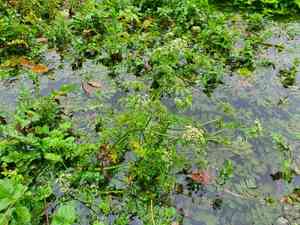
For an optimal beginning for cutleaf waterparsnip, relocate it during the mild temperatures of late spring through mid-summer, facilitating both development and rooting. Select a humid spot with partial sunlight, and maintain consistently moist soil for peak vitality.
What Preparations are Needed Before Transplanting Cutleaf Waterparsnip?
What is the Ideal Time for Transplanting Cutleaf Waterparsnip?
The optimal period for relocating cutleaf waterparsnip spans from the vibrant weeks of late spring through the warmth of midsummer. This timeframe aligns with their natural growth surge, promoting excellent root establishment and recuperation. Moving cutleaf waterparsnip during this window allows the entire upcoming season for roots to settle comfortably before colder months arrive. Utilizing this season for transplantation leverages cutleaf waterparsnip's vigorous seasonal development, fostering strong health and resilience in your garden.
How Much Space Should You Leave Between Cutleaf Waterparsnip Plants?
When relocating cutleaf waterparsnip, it's best to provide ample room for growth. Aim for a spacing of approximately 6-12 inches (15-30 cm) between each plant. This enables roots to expand and plants to achieve their full potential!
What is the Best Soil Mix for Cutleaf Waterparsnip Transplanting?
To create an inviting environment for cutleaf waterparsnip, combine rich, loamy soil with some compost or a slow-release, balanced fertilizer. This provides cutleaf waterparsnip with the necessary nutrients for a healthy start without overwhelming them.
Where Should You Relocate Your Cutleaf Waterparsnip?
For the perfect location, select a spot where cutleaf waterparsnip will receive full sunlight to partial shade. They thrive on sun exposure, but a bit of afternoon shade will prevent scorching!
What Equipments Should You Prepare Before Transplantation Cutleaf Waterparsnip?
Gardening Gloves
To safeguard your hands while handling soil and plants.
Shovel or Spade
For excavating the plant and preparing the new planting site.
Wheelbarrow or Garden Cart
To move soil and the plant.
Watering Can or Hose
To hydrate the plant before and after relocation.
Pruning Shears
To trim any damaged or excessively long roots.
Mulch
To help retain moisture and regulate soil temperature after transplant.
Garden Trowel
For more precise work around the roots and in the planting hole.
How Do You Remove Cutleaf Waterparsnip from the Soil?
How Do You Remove Cutleaf Waterparsnip from the Soil?
From Ground: First, moisten the cutleaf waterparsnip plant to soften the soil, making it easier to manage. Dig a wide circle around the plant with a shovel or spade to avoid cutting into the root ball. Once the circle is made, dig down and beneath the root ball, then gently lift the plant from the ground.From Pot: Ensure the soil is damp and gently tap the pot's edges to loosen the soil. Invert the pot and carefully slide it off or roll it on its side and gently pull the plant out by its base, taking care not to harm the stem or roots.From Seedling Tray: Water the seedlings to make the soil pliable. Use a garden trowel or your fingers to carefully lift each individual seedling from the tray, ensuring the root ball remains as intact as possible.
Step-by-Step Guide for Transplanting Cutleaf Waterparsnip
Preparation
Once the cutleaf waterparsnip is removed from its initial spot, gently shake off any loose or excess soil. Examine the root ball and use pruning shears to remove any damaged roots.
Hole Digging
Excavate a hole in the ground where you intend to relocate the cutleaf waterparsnip, ensuring it is wide and deep enough to accommodate the root ball without compression.
Transplanting
Carefully place the cutleaf waterparsnip into the hole, making sure it sits at the same depth as it was originally. Adjust the position of the cutleaf waterparsnip so it stands upright.
Filling
Backfill the hole with soil around the root ball, patting down gently but firmly to eliminate air pockets. Water generously to help settle the soil.
Mulching
Apply a layer of mulch around the base of the cutleaf waterparsnip to help maintain soil moisture and temperature.
How Do You Care For Cutleaf Waterparsnip After Transplanting?
Watering
Ensure the soil around the cutleaf waterparsnip remains consistently moist for the initial few weeks to aid in root establishment without over-saturating.
Monitoring
Observe the cutleaf waterparsnip for indications of transplant shock, such as wilting or discolored leaves, and respond appropriately with proper care.
Staking
If the cutleaf waterparsnip shows signs of instability, use a stake to provide support until its roots are strong enough to hold it upright independently.
Pruning
Trim any dead or damaged foliage to encourage new growth and prevent the spread of disease.
Feeding
After approximately one month, consider a mild feeding with a balanced fertilizer to supply nutrients needed for continued growth.
Troubleshooting Common Issues with Cutleaf Waterparsnip Transplantation.
What's the best time for transplanting cutleaf waterparsnip for optimal growth?
Relocate cutleaf waterparsnip during the prime season, from late spring to mid-summer, to ensure robust establishment.
How much space does cutleaf waterparsnip need when transplanting?
Provide ample space for each cutleaf waterparsnip, 6-12 inches (15-30 cm) apart. Proper spacing promotes healthy development and air circulation.
Why are my cutleaf waterparsnip seedlings wilting after transplant?
Wilting may indicate transplant shock. Ensure careful handling and sufficient water to help cutleaf waterparsnip recover.
How deep should I plant cutleaf waterparsnip during transplanting?
Dig a hole as deep as the root ball and twice its width to provide cutleaf waterparsnip a comfortable soil embrace.
What should I do if the leaves of cutleaf waterparsnip turn yellow after transplanting?
Yellow leaves can signal stress. Verify proper soil moisture, light, and appropriate planting depth for cutleaf waterparsnip's recovery.
How do I prepare the soil for transplanting cutleaf waterparsnip?
Incorporate compost or organic matter into the soil for nutrient-rich, well-draining conditions that cutleaf waterparsnip will appreciate.
What is the sign that cutleaf waterparsnip is ready to be transplanted?
When cutleaf waterparsnip seedlings possess several true leaves and strong roots, they are eager to expand into new soil.
Can cutleaf waterparsnip be transplanted on a sunny day?
Overcast days or late afternoons are most favorable, preventing harsh sun from adding stress to cutleaf waterparsnip's relocation.
How often should I water cutleaf waterparsnip after transplanting?
Water cutleaf waterparsnip generously at the time of transplant and maintain consistent moisture without waterlogging for a smooth transition.
Should I fertilize cutleaf waterparsnip during transplanting?
Withhold fertilizer until cutleaf waterparsnip is established and shows growth, then nourish gently for a more vigorous comeback.



