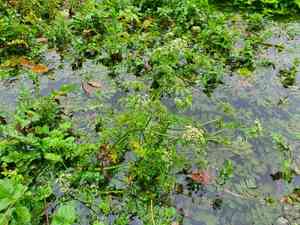
Cutleaf waterparsnip (Berula erecta)
Also known as: Water celery, Narrow-leaved water parsnip
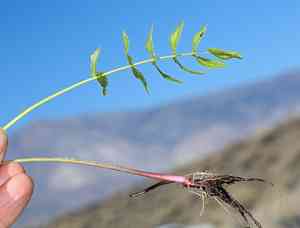
The cutleaf waterparsnip (Berula erecta) is a member of the carrot family and is commonly found in wet areas such as marshes, streambanks, and wetlands across eastern and central North America. This plant typically reaches a height of around 3 feet (91 cm). It features coarsely toothed leaves and clusters of small white flowers. In winter, those growing in wetlands often become fully submerged.
In This Article
Attributes of Cutleaf waterparsnip
Lifespan
Perennial
Plant Type
Herb
Plant Height
30 cm to 91 cm
Spread
Typically covers a diameter up to 1 meter in spread
Leaf Color
Green
Flower Size
3 mm
Flower Color
White
Images of Cutleaf waterparsnip
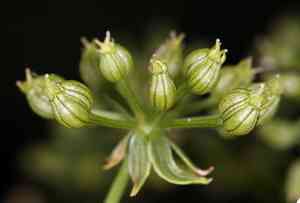
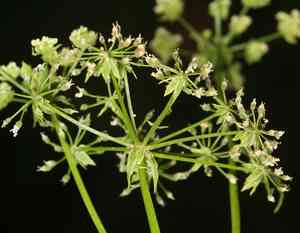
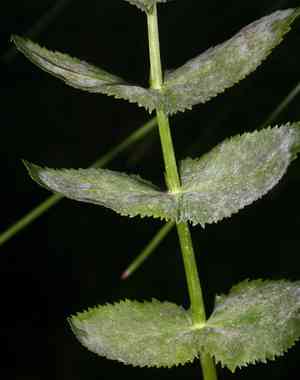
Quickly Identify Cutleaf waterparsnip
1
Berula erecta can be identified by its hollow, ridged stems and pinnate leaves with serrated leaflets. It produces small white flowers in umbrella-shaped clusters. Its roots are often submerged.
Scientific Classification of Cutleaf waterparsnip
Phylum
Vascular plants
Class
Dicotyledons
Order
Apiales
Family
Umbellifers
Genus
Water Parsnips
Species
Cutleaf waterparsnip
Planting and Growing of Cutleaf waterparsnip
Care Difficulty
Easy
Watering Schedule
Every 12 days
Sunlight Requirements
Partial sun
Sunshine Duration
4-8 hours
Ideal Temperature
60-75℉
Soil Type
Potting Mix, Peat Mix
Soil pH
6.5-7.5
Fertilizer Type
Balanced
Pruning Season
Spring, Summer
Pruning Area
Branches, Leaves
Pruning Frequency
2 times a year
Repotting Season
Spring
Pot Type
Plastic, Terracotta
 How to Water Cutleaf waterparsnip?
Berula erecta thrives in consistently moist environments. Aim to saturate the soil thoroughly during each watering session, using approximately 500ml of water to ensure it reaches the roots. This water-loving plant prefers conditions where the soil remains damp, mimicking its natural aquatic habitat.
What are the symptoms of an underwatered Cutleaf waterparsnip?
›
What should I do if my Cutleaf waterparsnip is not getting enough water?
›
What are the symptoms of an overwatered Cutleaf waterparsnip?
›
How to save an overwatered Cutleaf waterparsnip?
›
 What Are the Sunlight Requirements for Cutleaf waterparsnip?
Berula erecta thrives in partial to full sun, ideally receiving 4-6 hours of sunlight. This range allows it to maintain healthy growth patterns and proper photosynthetic processes crucial for survival.
More About Sunlight Requirements Techniques→
What is the best lighting condition for Berula erecta?
›
How can you achieve ideal lighting for Berula erecta?
›
What are the benefits of ideal lighting for Berula erecta?
›
 What Is the Ideal Temperature Range for Cutleaf waterparsnip?
Berula erecta thrives best in moderate climates where temperatures range between 60°F to 75°F. This temperature range ensures that the metabolic processes within the plant operate efficiently, supporting photosynthesis and nutrient absorption. A stable temperature also mitigates stress and allows for consistent growth and flowering.
 What Soil is Best for Cutleaf waterparsnip?
Berula erecta thrives in soils that have excellent moisture retention. This need is crucial because the plant naturally grows in marshy or wetland areas, where water is abundant. Having adequate moisture ensures that the plant maintains its lush green appearance and robust growth. Adequately moist soil mimics its native environment, supporting its natural metabolism and lifecycle. This plant favors soils that are rich in organic matter and nutrients. Such soils provide a constant supply of essential elements needed for its growth and health. Rich soil supports the plant’s vigorous growth habit and vibrant foliage, enhancing its capacity to withstand environmental stress. Even though Berula erecta prefers moist conditions, it also benefits from soil with good drainage capability. This prevents waterlogging, which can lead to root rot. Drainage capacity is essential, as it ensures that while the soil retains moisture, it doesn't become overly saturated, thus creating a balanced aquatic environment for the plant’s roots.
 How to Fertilize Cutleaf waterparsnip?
For Berula erecta, applying the correct amount of fertilizer is crucial for its health. Typically, it's best to use about half the recommended amount on the fertilizer's label. This helps to avoid over-fertilization while ensuring the plant gets the nutrients it needs. Adjust based on soil and climate conditions.
 How to Prune Cutleaf waterparsnip?
Start by removing any dead, diseased, or damaged stems to prevent pests and diseases. This initial step is essential for the overall health of Berula erecta. Trim back overgrown stems to within a few inches, ensuring to leave some foliage to aid in recovery. This encourages a compact form and controls the spread. Prune strategically to create a tidy shape by selecting areas to reduce height and spread. Focus on cutting above leaf nodes to promote new growth.
More About Pruning Techniques→
 How to Propagate Cutleaf waterparsnip plant?
1
Sow seeds of Berula erecta on the surface of a moist seed-starting mixture and lightly press them in. Do not cover the seeds as they need light to germinate. Keep the tray in a warm spot with indirect light and maintain moisture by lightly misting the surface.
2
For division, select a healthy and mature Berula erecta plant. Carefully dig up the plant and shake off excess soil from the roots. Use a sterile knife to divide the plant into sections, ensuring each section has roots and shoots. Replant the divisions promptly.
3
Once seedlings have developed a few leaves and are strong enough to handle, carefully transplant them into individual pots. Use a well-draining potting mix and water them lightly to settle the soil around the roots.
 How to Repot Cutleaf waterparsnip plant?
1
Repot Berula erecta when you notice roots growing out of the drainage holes or the plant becoming root-bound. Potted plants also require repotting if the soil drains too quickly, indicating it is time for a fresh mixture. Spring or early summer is ideal for repotting, as the plant can recover quickly during its active growing season.
2
Select a pot with ample drainage holes to ensure water does not accumulate, leading to root rot. Choose a pot slightly larger than the current one, giving the roots some space but not too much extra room, which could lead to overwatering issues. Clay pots are beneficial as they allow the soil to breathe.
3
Opt for a loamy, well-draining soil mixture to maintain moisture without making the environment too soggy. Adding perlite or sand to the soil can improve its drainage, providing optimal conditions for Berula erecta to thrive. A soil with balanced pH and nutrients helps in robust plant growth.
Learn More About Cutleaf waterparsnip Diseases
Anthracnose
Bacterial Leaf Spot
Bacterial Soft Rot
Bacterial Wilt
Chemical Injury
Damping-off
Downy Mildew
Drought Stress
Fusarium Wilt
Gray Mold
Leaf Spot
Mosaic
Nutrient Deficiency
Nutrient Toxicity
Powdery Mildew
Root Rot
Root-knot Nematode
Rusts
Sooty Mold
Spider Mites
Temperature Stress
Thrips Damage
White Mold



