How to Propagate Cutleaf waterparsnip?
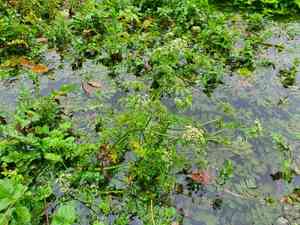
Cutleaf waterparsnip flourishes when reproduced by seeding. For effective growth, it is essential to sustain humid surroundings, which replicate cutleaf waterparsnip's inherent aquatic or semi-aquatic environments. Disperse the seeds in a well-ventilated potting blend that holds moisture but permits surplus water to escape. Consistent irrigation is vital to guarantee the substrate stays uniformly moist until sprouting. For peak development, positioning the receptacle in a spot with filtered sunlight imitates the plant's favored setting in nature.
Optimal Time for Cutleaf Waterparsnip Propagation
Propagation Method
Seeding
Propagation Period
Spring
Tools for Cutleaf Waterparsnip Propagation
Seed trays
Shallow, sectioned containers, known as seed trays, are perfect for initiating cutleaf waterparsnip seeds. They offer individual compartments for each seed, enabling efficient growth management and minimal root disturbance during transplantation. Given cutleaf waterparsnip's preference for damp conditions, these trays simplify maintaining consistent soil moisture vital for germination.
Peat pots
Peat pots, biodegradable containers crafted from peat and wood fibers, are especially beneficial for cutleaf waterparsnip due to their moisture-retentive qualities. These pots allow for direct planting into the ground without removing the plant, thereby preventing transplant shock, which is critical for delicate, water-loving plants like cutleaf waterparsnip.
Watering can with a fine rose
A watering can equipped with a 'fine rose' (a nozzle that produces a gentle spray) is essential for carefully watering cutleaf waterparsnip seeds without dislodging them. This gentle flow helps maintain uniformly moist soil, a crucial condition for the successful sprouting of cutleaf waterparsnip seeds.
Misting bottle
A misting bottle is vital for ensuring that the humidity surrounding cutleaf waterparsnip seedlings remains at an ideal level without over-saturating the soil, which can lead to fungal issues. Misting helps replicate the moist environments that cutleaf waterparsnip naturally favors.
Labeling stakes
Labeling stakes are utilized to identify and organize various sections within the propagation area. Proper labeling prevents confusion during the cultivation process, ensuring that the specific care requirements of cutleaf waterparsnip are met during its early developmental stages.
Propagating Cutleaf Waterparsnip
Propagation Difficulty
Simple
Caring for Newly Propagated Cutleaf Waterparsnip
Caring for Newly Propagated Cutleaf Waterparsnip
Once germinated, thin the seedlings to prevent overcrowding, which can hinder development. Maintain a consistently moist environment and shield young plants from strong winds or rapid water currents. Periodically inspect for and remove any competing invasive species. Regularly check for signs of disease or pests, and treat as necessary to ensure the healthy growth of cutleaf waterparsnip.
Common Propagation Errors for Cutleaf Waterparsnip
Overwatering
Although cutleaf waterparsnip thrives in moist conditions, excessive water can cause root rot. This condition damages the plant's root system, impairing its ability to absorb nutrients and water, ultimately reducing propagation success.
Deep planting
Planting cutleaf waterparsnip too deeply can result in stem rot. Proper exposure of the plant's crown is crucial, as burying it can impede adequate air circulation, which is vital for root and shoot development.
Ignoring light exposure control
Failing to manage light exposure during cutleaf waterparsnip propagation can lead to weak growth. Without sufficient light, cutleaf waterparsnip seedlings may become elongated and fragile, impacting their ability to establish and flourish.
Cutleaf Waterparsnip Propagation Advice
Utilize fresh seeds or robust plant divisions
For successful propagation, use fresh seeds or divide healthy plants. This ensures vigorous growth, as older seeds may have reduced viability, and unhealthy divisions might not root effectively.
Maintain high humidity
Keeping the environment humid supports cutleaf waterparsnip's growth during propagation. High humidity helps prevent cuttings and seedlings from drying out, promoting healthier root and shoot development.
Regularly monitor for pests and diseases
Periodically check cutleaf waterparsnip for signs of pests and diseases during the propagation phase. Early detection and treatment can prevent widespread damage and increase the chances of successful plant growth.



