How to Prune Cutleaf waterparsnip?
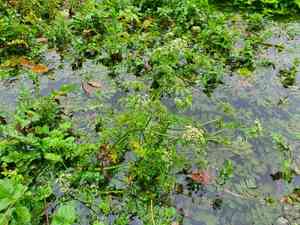
This water-loving perennial flourishes in moist habitats and displays umbrella-shaped groupings of white blossoms. To prune cutleaf waterparsnip, remove faded blooms and compromised leaves to preserve its form and stimulate fresh development. Proper timing is crucial; the best time for pruning is from spring through autumn, coinciding with its vigorous growth phases. Consistent elimination of older stalks encourages robust, thick foliage and can deter the proliferation of ailments. Pruning additionally improves water circulation and light exposure, boosting cutleaf waterparsnip's general well-being and visual attractiveness.
What Are the Benefits of Pruning Cutleaf Waterparsnip?
What Are the Benefits of Pruning Cutleaf Waterparsnip?
Trimming cutleaf waterparsnip promotes abundant blooms, stimulates robust and vigorous development, and maintains its desired shape. Strategic cuts ensure a strong structure and enhance its visual appeal.
What Is the Best Time for Pruning Cutleaf Waterparsnip?
What Is the Best Time for Pruning Cutleaf Waterparsnip?
Pruning cutleaf waterparsnip in spring coincides with new growth, allowing the plant to recover quickly and grow more vigorously. Summer pruning reduces the risk of waterborne diseases, which are more common in wet conditions, and helps maintain the plant's form. Late fall pruning is ideal after flowering and as the plant enters dormancy, minimizing stress and preparing cutleaf waterparsnip for the next growing season. These timings ensure plant health, facilitate desired growth patterns, and avoid disrupting flowering or fruiting cycles.
What Tools Do I Need to Prune Cutleaf Waterparsnip?
Hand Pruners
Perfect for making precise cuts on cutleaf waterparsnip's smaller stems, hand pruners offer the accuracy needed to trim the plant without causing unnecessary damage to its structure.
Shears
For shaping and maintaining the overall look of cutleaf waterparsnip, shears are excellent for trimming and cutting foliage evenly, especially during the plant's active growth phase.
Long-Handled Loppers
When dealing with thicker stems of cutleaf waterparsnip or hard-to-reach areas, long-handled loppers provide the leverage needed to make clean cuts without straining the gardener's hands or back.
How to Prune Cutleaf Waterparsnip
Clean tools
Before beginning, thoroughly clean and sharpen pruning tools to ensure clean cuts and prevent the spread of disease to cutleaf waterparsnip.
Diseased leaves
Carefully inspect cutleaf waterparsnip for any diseased leaves. Use pruning shears to remove these leaves at their base, ensuring not to tear the stem to avoid unnecessary stress to the plant.
Withered leaves
Identify and trim any withered leaves from cutleaf waterparsnip to improve air circulation and light penetration. Trim these at the base of the leaf stem to promote healthy new growth.
Withered flowers
Prune withered flowers of cutleaf waterparsnip by cutting the stem below the flower head. This helps encourage cutleaf waterparsnip to focus its energy on healthy growth and may promote additional blooming.
Cleanup
After pruning, remove all cut material from the area to prevent the possibility of disease and pests affecting cutleaf waterparsnip. Clean the tools again to avoid transferring any potential pathogens to other plants.
Common Pruning Mistakes with Cutleaf Waterparsnip
Overpruning
Removing too much foliage at once can shock cutleaf waterparsnip, leading to poor growth or plant stress.
Cutting too close
Incorrect cutting close to the main stem may harm cutleaf waterparsnip; it's important to leave a small bit of the stem to avoid damage to plant nodes.
Dirty tools
Using unclean pruning tools can introduce pests or diseases to cutleaf waterparsnip, risking the plant's health.
Tearing stems
Rough handling or using dull tools can cause stems of cutleaf waterparsnip to tear, which increases the risk of disease.
Common Pruning Tips for Cutleaf Waterparsnip
Sharp tools
Use sharp, clean shears to make clean cuts on cutleaf waterparsnip, which can prevent damage and disease.
Selective thinning
Thinning out crowded areas can improve air circulation and light penetration, promoting healthier growth in cutleaf waterparsnip.
Prune damaged leaves
Removing dead or damaged leaves will encourage cutleaf waterparsnip to focus energy on healthy growth.
Maintaining structure
Shape cutleaf waterparsnip by pruning with the natural form of the plant in mind, removing any overgrown or wayward stems to maintain an even, aesthetically pleasing structure.



