How to Transplant Beckman's grass?
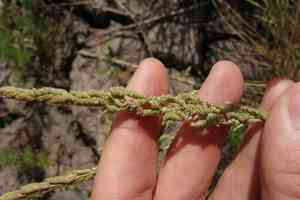
Beckman's grass flourishes when relocated between early spring and the start of summer, or from autumn until the onset of winter. To achieve peak development, select a site that receives full sun to partial shade and features soil with good drainage. Maintain consistent soil moisture without allowing it to become saturated.
Necessary Preparations Before Relocating Beckman's Grass
Optimal Period for Relocating Beckman's Grass
The prime times for moving beckman's grass are from early to late spring, and from mid-fall to early winter. These periods ensure the ground is manageable and temperatures are suitable for root establishment. The plant benefits from a strong start, as cooler weather and occasional rain lessen stress and boost survival rates, leading to healthier development.
Recommended Spacing Between Beckman's Grass Plants
When relocating beckman's grass, ensure each plant is positioned 12-18 inches (30-45 cm) apart. This provides ample room for growth and proper air circulation, which aids in disease prevention.
Best Soil Blend for Beckman's Grass Relocation
For beckman's grass, prepare well-draining soil by combining garden soil with compost. This mixture supplies essential nutrients. You might also consider incorporating a balanced base fertilizer, such as 10-10-10 (N-P-K), to further enrich the soil.
Ideal New Location for Your Beckman's Grass
Select a sunny spot for beckman's grass as it flourishes in direct sunlight. Aim for an area that receives at least 6 hours of direct sun daily to ensure the plant's optimal growth and vitality.
Equipment Required Before Transplanting Beckman's Grass
Gardening Gloves
To safeguard your hands while handling soil and plants.
Hand Trowel
For digging and extracting the plant from its original spot.
Shovel or Spade
To excavate a hole in the ground for relocation.
Watering Can or Hose
For hydrating the plant before and after its move.
Wheelbarrow
To move the plant, especially for larger specimens.
Stakes and Ties
To offer support for the plant post-transplant, if needed.
How to Extract Beckman's Grass from the Soil
How to Extract Beckman's Grass from the Soil
From Ground: First, moisten the beckman's grass plant to dampen the soil. Then, use a shovel or spade to dig a wide trench around the plant, ensuring the plant's root ball remains intact. Carefully work the spade beneath the root ball to lift the plant from its initial position.From Pot: Thoroughly water the beckman's grass plant. Gently tap the pot to loosen the soil, then tilt the pot and carefully pull the plant out, supporting the root ball.From Seedling Tray: Water the seedlings to facilitate their removal. Gently push up from the tray's bottom to release the seedlings, being careful not to harm the roots.
Step-by-Step Instructions for Relocating Beckman's Grass
Hole Preparation
Excavate a hole in the new site that is twice the width of the beckman's grass's root ball and equally deep. This allows the roots to spread out easily.
Plant Placement
Position the beckman's grass into the hole, ensuring the top of the root ball is level with or slightly above the ground to prevent water accumulation.
Filling and Firming
Backfill the hole with soil, gently pressing down to eliminate air pockets. Be careful not to damage the roots.
Initial Watering
Thoroughly water the plant after relocation to help the soil settle around the roots.
Mulching (Optional)
Apply a layer of mulch around the plant's base to retain moisture and inhibit weed growth.
Post-Transplant Care for Beckman's Grass
Watering
Maintain consistent moisture in the soil around the beckman's grass, avoiding sogginess, for the initial weeks after transplanting to aid in strong root development.
Pruning
Remove any damaged or withered leaves to help alleviate stress on the plant.
Protection
Consider using a temporary shade cloth if sunlight is too intense, which can help prevent transplant shock.
Monitoring
Regularly inspect the plant for indications of stress, such as wilting or yellowing leaves, and address issues promptly.
Resolving Common Issues with Beckman's Grass Relocation.
When is the best time to relocate beckman's grass?
Relocate beckman's grass from early spring to late spring, or mid-fall to early winter for optimal outcomes.
What is the ideal spacing for beckman's grass?
Space beckman's grass plants 12-18 inches (30-45 cm) apart for best growth and air circulation.
How should the soil be prepared before relocating beckman's grass?
Loosen the soil to a depth of 12 inches (30 cm) and ensure it drains well.
How do I prevent transplant shock in beckman's grass?
Water thoroughly before and after relocating, and minimize root disturbance.
What temperature is ideal for relocating beckman's grass?
Relocate beckman's grass in temperatures between 60-70°F (15-21°C) for optimal acclimatization.
How deep should the hole be for relocating beckman's grass?
Dig a hole 1.5 times the root ball's width and the same depth as its height.
What type of fertilizer is best when relocating beckman's grass?
Use a balanced, slow-release fertilizer to support root development without excessive foliage growth.
How often should beckman's grass be watered after relocating?
Water beckman's grass every few days initially, then reduce to weekly as roots establish.
Can beckman's grass be relocated in full sun?
Yes, beckman's grass thrives in full sun but can tolerate partial shade.
What should I do if beckman's grass looks wilted after relocating?
Ensure consistent watering and consider temporarily shading the plant to reduce stress.



