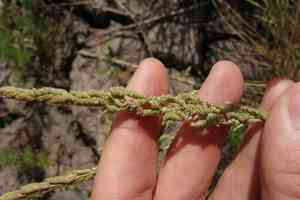
Beckman's grass (Beckmannia eruciformis)
Also known as: European slough-grass
Beckmannia eruciformis, commonly known as European slough-grass or slough grass, is a member of the Poaceae family. This annual or short-lived perennial plant is typically found in wetland environments such as shallow marshes and sloughs. It is primarily utilized for animal fodder and forage.
In This Article
Attributes of Beckman's grass
Lifespan
Annual
Plant Type
Grass
Plant Height
50-120 cm
Spread
Approximately 20-30 cm
Leaf Color
Green
Flower Size
N/A
Flower Color
Greenish
Images of Beckman's grass
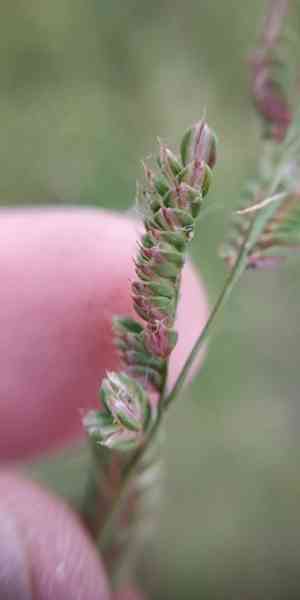
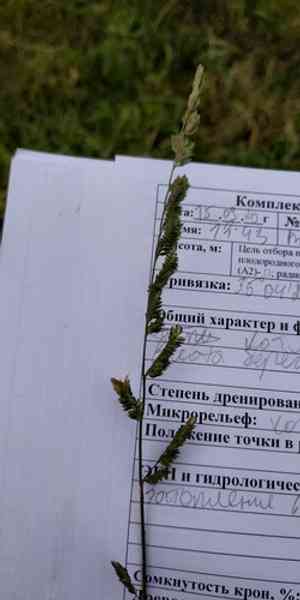
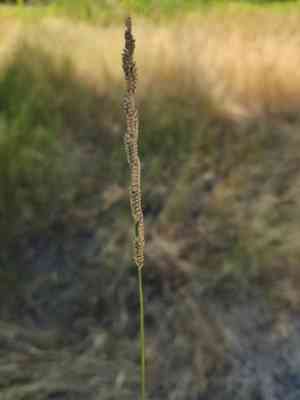
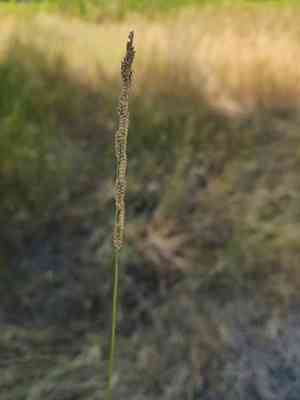
Quickly Identify Beckman's grass
1
It can be identified by its slender, cylindrical stems and loose panicles of overlapping spikelets. The leaves are green, narrow, and linear with a slightly rough texture.
Scientific Classification of Beckman's grass
Phylum
Vascular plants
Class
Monocotyledons
Order
Poales
Family
Grass
Genus
Sloughgrasses
Species
Beckman's grass
Planting and Growing of Beckman's grass
Care Difficulty
Easy
Watering Schedule
Every 4 days
Sunlight Requirements
Full sun
Sunshine Duration
4-8 hours
Ideal Temperature
60-75℉
Soil Type
Potting Mix, Peat Mix
Soil pH
6.5-7.5
Fertilizer Type
Balanced
Pruning Season
Spring, Summer
Pruning Area
Branches, Leaves
Pruning Frequency
2 times a year
Repotting Season
Spring
Pot Type
Terracotta, Plastic
 How to Water Beckman's grass?
For Beckmannia eruciformis, water until the soil feels evenly moist but not soggy. Each watering should mimic a gentle, consistent rainfall, ensuring the moisture penetrates deeply to encourage healthy root growth. Overly dry or waterlogged soil should be avoided.
What are the symptoms of an underwatered Beckman's grass?
›
What should I do if my Beckman's grass is not getting enough water?
›
What are the symptoms of an overwatered Beckman's grass?
›
How to save an overwatered Beckman's grass?
›
 What Are the Sunlight Requirements for Beckman's grass?
Beckmannia eruciformis thrives in environments providing full to partial sun. Ideal lighting enhances photosynthesis, supporting vigorous development, vibrant foliage, and a robust defense against potential pests.
What is the best location for Beckmannia eruciformis to thrive?
›
How to ensure Beckmannia eruciformis gets enough light indoors?
›
Why is proper lighting essential for Beckmannia eruciformis?
›
 What Is the Ideal Temperature Range for Beckman's grass?
Beckmannia eruciformis thrives best in moderate temperature conditions ranging from 60°F to 75°F. This range ensures optimal growth and development by providing a balanced environment for the plant's metabolic processes. Maintaining this temperature range helps in effective seed germination, leaf development, and overall vitality.
 What Soil is Best for Beckman's grass?
Beckmannia eruciformis thrives in soils that maintain a consistent level of moisture. This characteristic supports healthy root development and prevents the plant from suffering from drought stress. For optimal growth, this plant prefers soils rich in organic matter. Nutrient abundance fosters robust plant growth, enhances tiller development, and increases biomass yield. While moisture is important, good drainage must be ensured to prevent waterlogging. Excess water can lead to root rot, so proper drainage aids in maintaining ideal moisture levels.
 How to Fertilize Beckman's grass?
For Beckmannia eruciformis, a moderate amount of fertilizer is essential. Use approximately 0.5 to 1 pound of balanced fertilizer like 10-10-10 per 100 square feet. Adjust based on plant response and soil test results.
 How to Prune Beckman's grass?
Start by sterilizing your pruning shears to prevent the spread of diseases. Identify the overgrown or damaged stems to be removed. Cut back any dead or yellowing foliage to the base of the plant. For thinning purposes, selectively trim stems to maintain a tidy appearance and encourage airflow. Focus on shaping your Beckmannia eruciformis by cutting back unruly stems that disrupt its natural form. Employ careful trimming techniques to sculpt the plant, maintaining its aesthetic appeal and structural integrity. Regular reshaping not only enhances its appearance but also ensures vigorous growth.
More About Pruning Techniques→
 How to Propagate Beckman's grass plant?
1
Gather the seeds from mature Beckmannia eruciformis plants when the seed heads are dry and brown. Make sure to collect seeds on a dry, sunny day to avoid moisture which can cause mold and spoilage.
2
Prepare a well-draining seed substrate that combines potting mix and sand. This encourages drainage and aeration, vital for seed germination and root development. Fill seed trays or pots with this substrate, leaving space at the top.
3
Sprinkle the seeds evenly across the prepared substrate. Gently press them into the soil without burying them too deeply. Lightly cover the seeds with a thin layer of substrate to protect them while allowing light exposure.
 How to Repot Beckman's grass plant?
1
Beckmannia eruciformis shows signs it's ready for repotting when you notice slow growth, roots circling inside the pot, or water sitting on top of the soil longer than usual after watering. Spring is the ideal time for this task, as the plant is entering its active growth phase.
2
Select a pot that's only slightly larger than the current one, ensuring it has drainage holes to prevent root rot. A snug, new pot will help the plant establish itself more effectively by providing a balance between space for growth and stability for root development.
3
Opt for a well-draining loamy soil that retains some moisture, yet allows excess water to escape. Adding a bit of perlite or sand can enhance drainage, providing Beckmannia eruciformis with the optimal environment to avoid waterlogged conditions.
Learn More About Beckman's grass Diseases
Anthracnose
Bacterial Leaf Spot
Bacterial Soft Rot
Bacterial Wilt
Chemical Injury
Damping-off
Downy Mildew
Drought Stress
Fusarium Wilt
Gray Mold
Leaf Spot
Mosaic
Nutrient Deficiency
Nutrient Toxicity
Powdery Mildew
Root Rot
Root-knot Nematode
Rusts
Sooty Mold
Spider Mites
Temperature Stress
Thrips Damage
White Mold



