How to Propagate Beckman's grass?
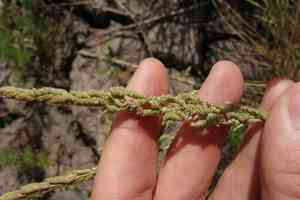
Beckman's grass is generally reproduced by seeding. To achieve thriving growth, it is crucial to utilize a growing medium that drains effectively and to sustain a steady level of dampness without excessive watering. Position the seeds superficially since they need illumination for peak sprouting. Prune young plants promptly to avoid excessive density and foster vigorous maturation. Employing a growth stimulant can boost germination percentages, guaranteeing a strong beginning for the young plants.
Optimal Time for Beckman's Grass Propagation
Propagation Method
Seeding
Propagation Period
Spring
Tools for Beckman's Grass Propagation
Seed trays
Seed trays offer an organized and effective method for planting seeds. They help maintain consistent seed spacing and depth, ensuring beckman's grass seeds receive sufficient light and are well-distributed to prevent overcrowding during germination. This promotes better air circulation and reduces the risk of fungal diseases, both vital for the healthy development of beckman's grass.
Fine-grained soil or starter mix
A light, fine-textured soil or starter mix is essential for the delicate seeds of beckman's grass. This type of growing medium ensures good soil aeration and drainage, which are crucial for the proper germination of beckman's grass seeds. It also allows tiny roots to penetrate easily, supporting better initial growth post-germination.
Misting bottle
A misting bottle is necessary for gently watering beckman's grass seeds. Over-watering with strong streams from watering cans can dislodge or expose the seeds, potentially hindering their germination. Misting ensures the soil is adequately moist without being overly saturated, providing an ideal moisture level for beckman's grass seeds.
Grow lights (if indoor propagation)
When natural light is insufficient, especially for indoor propagation, grow lights are beneficial. They provide an essential light spectrum that supports photosynthesis in young beckman's grass seedlings. Consistent and adequate exposure to grow lights can significantly improve the growth rate and health of beckman's grass during its early stages.
Heat mat (optional)
For cooler climates, a heat mat can boost the germination rate of beckman's grass seeds by maintaining a steady soil temperature. Warmth is a key factor in activating the germination process for many plant species, including beckman's grass, making a heat mat potentially critical during propagation.
How to Propagate Beckman's Grass?
Propagation Type
Simple
Caring for Newly Propagated Beckman's Grass
Caring for Newly Propagated Beckman's Grass
Post-propagation, ensure beckman's grass gets ample sun, as it thrives in full sunlight. Continue regular watering, especially during dry spells, to maintain soil moisture. However, avoid overwatering since beckman's grass prefers well-drained conditions. Periodic weeding will help reduce nutrient competition. Fertilization is generally unnecessary unless grown in very poor soils. Monitor for pests and diseases, though beckman's grass typically has few major issues. With proper care, beckman's grass will grow and spread, adding a natural, wild grass aesthetic to the chosen area.
Common Errors to Avoid When Propagating Beckman's Grass
Improper Soil Conditions
Using the wrong soil type can hinder beckman's grass's development. It prefers moist, fertile soil; sandy or poorly-draining soil can stunt growth and impair root development.
Inadequate Watering
Both overwatering and underwatering can harm beckman's grass. Excessive watering can lead to root rot, while insufficient watering may cause dehydration and stress, impeding propagation.
Incorrect Light Exposure
Beckman's grass requires sufficient light for optimal growth. Placing it in too much shade can result in weak, leggy growth, while excessive direct sunlight may cause leaf burn.
Neglecting Temperature Needs
Exposing beckman's grass to extreme temperatures can be detrimental. Low temperatures can halt growth, while excessive heat can damage foliage and roots.
Tips for Propagating Beckman's Grass
Use Appropriate Soil
Ensure the soil is fertile and retains moisture effectively. Adding organic matter like compost can improve soil structure and nutrition, fostering healthier growth.
Maintain Consistent Moisture
Water the plant regularly, keeping the soil consistently moist but not waterlogged. Using mulch can help retain soil moisture and regulate temperature.
Provide Adequate Light
Place beckman's grass in a location that receives filtered sunlight or partial shade. Avoid direct harsh sunlight to prevent potential leaf burn.
Monitor Temperature
Maintain a stable, moderate temperature range. Protect beckman's grass from frost and extreme heat by using shade cloths or indoor relocation if necessary.



