The Beckman's grass Plant Advantage: Maximizing Home and Office Appeal and Wellness
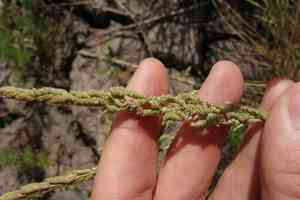
1
Beckman's grass is very versatile and flourishes in diverse environmental settings.
2
This vegetation aids in securing the soil, averting erosion and deterioration.
3
Due to its thick growth, Beckman's grass offers superb shelter for animals and fosters ecological variety.
How Beckman's Grass Benefits the Environment
Versatility Across Climates
Beckman's grass thrives in diverse weather conditions, making it a flexible option for various regions. Its resilience in both wet and dry environments ensures its consistent strength and effectiveness year-round.
Soil Stability and Erosion Prevention
A primary environmental advantage of Beckman's grass is its role in stabilizing soil. The plant's extensive root system helps bind the earth, reducing erosion and preventing soil degradation. This is especially beneficial in areas prone to erosion, like riverbanks and slopes.
Support for Biodiversity
The dense growth of Beckman's grass offers excellent shelter for wildlife, supporting various species and fostering biodiversity. This contributes to a healthier ecosystem, making it a vital element in conservation efforts.
Benefits of Beckman's Grass in Agriculture
Enhances Soil Quality
Beckman's grass is known to improve soil quality through its natural processes. Its root systems enhance soil structure, promoting better water infiltration and retention. This can lead to more productive agricultural land over time.
Natural Pest Management
The presence of Beckman's grass can contribute to natural pest control strategies. By providing habitat for beneficial insects, it helps to maintain a balanced ecosystem where pests are kept in check without the need for chemical interventions.
Ecological Contributions of Beckman's Grass
Carbon Capture
Another significant ecological benefit of Beckman's grass is its ability to sequester carbon. This process reduces the amount of CO2 in the atmosphere, helping to mitigate climate change while also enhancing soil fertility.
Water Purification
Beckman's grass acts as a natural filter for water, reducing pollutants and improving water quality. This function is essential in maintaining clean waterways and supporting aquatic life.
Using Beckman's Grass in Landscaping and Restoration
Erosion Control in Landscaping
Beckman's grass is frequently used in landscaping projects aimed at controlling erosion. Its ability to grow in dense clusters makes it an ideal choice for stabilizing soil in gardens, parks, and urban green spaces.
Rehabilitation of Damaged Lands
In restoration projects, Beckman's grass plays a critical role in rehabilitating degraded lands. By improving soil structure and fertility, it helps to restore the natural balance and encourages the return of native plant species.
Optimal Cultivation Practices for Beckman's Grass
Ideal Growing Conditions
For successful cultivation, Beckman's grass requires specific conditions. While it is adaptable, ensuring the right soil moisture and sunlight exposure can enhance its growth and effectiveness.
Care Guidelines
Routine maintenance, such as pruning and monitoring for pests, will keep Beckman's grass healthy and thriving. It's important to follow best practices to sustain its benefits over the long term.



