How to Transplant Saltwort?
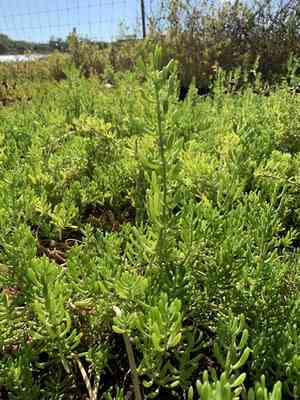
For saltwort, the ideal period for relocation spans from the latter part of spring through the middle of summer. This timeframe guarantees the development of roots in favorable soil temperatures. Select areas with ample sunlight; saltwort, being a coastal species, flourishes optimally in these environments. Handle with care and avoid disturbing the root system, facilitating a smooth adaptation.
What Preparations are Needed Before Transplanting Saltwort?
What is the Ideal Time for Transplanting Saltwort?
Moving saltwort from late spring's thaw through mid-summer's peak provides the best conditions for growth. Warm soil and stable temperatures promote quick root development, ensuring a strong start. During this period, saltwort thrives in the increasing warmth and daylight, which is crucial for its spread. By choosing this timeframe, you're utilizing nature's prime growth cycle, essential for saltwort's success.
How Much Space Should You Leave Between Saltwort Plants?
Greetings! When relocating your saltwort, you'll want to provide ample room for them to flourish. Aim to position them approximately 18-24 inches (45-60 cm) apart. This ensures each saltwort has sufficient space to grow without competing for nutrients and sunlight.
What is the Best Soil Mix for Saltwort Transplanting?
Saltwort prefers well-draining soil with a touch of salinity. Before planting, incorporate some organic compost as a foundational fertilizer to give them a nourishing start. No need for anything overly complex, a simple, balanced mixture should suffice!
Where Should You Relocate Your Saltwort?
Your saltwort thrives in sunlight, so select a garden spot that receives full sun. This means at least 6-8 hours of direct sunlight daily. A bright and sunny location will keep your saltwort content and flourishing.
What Equipments Should You Prepare Before Transplantation Saltwort?
Gardening Gloves
To safeguard your hands while handling soil and plants.
Shovel or Garden Spade
For excavating and moving soil around the root ball.
Watering Can or Garden Hose
To hydrate the plant before and after its relocation.
Pruning Shears
To gently trim any damaged roots or foliage.
Wheelbarrow or Garden Cart
To transport the plant and soil without causing harm.
Organic Mulch
To help maintain soil moisture and temperature after transplant.
Stake or Plant Support
If necessary, to offer stability to the plant post-transplant.
How Do You Remove Saltwort from the Soil?
How Do You Remove Saltwort from the Soil?
From Ground: Moisten the saltwort plant's soil to make it easier to work with. Then, use a shovel to dig a wide circle around the plant, being careful not to harm the root ball. Gently lift the plant, ensuring the root system remains as undisturbed as possible.From Pot: Begin by watering the saltwort plant to loosen the soil. Turn the pot on its side and gently tap the bottom and sides to release the plant. Guide the plant out by the base of its stem, supporting the root ball with your hand.From Seedling Tray: Dampen the soil in the seedling tray before transplanting. Use a small tool or your fingers to carefully loosen the soil around the seedlings' roots and gently remove the saltwort plant, ensuring the root ball is intact.
Step-by-Step Guide for Transplanting Saltwort
Preparation
Ensure all tools are ready and the new planting site is prepared for your saltwort plant.
Removal
Carefully extract your saltwort plant from its original spot, taking care not to harm the root system.
Hole Digging
Excavate a hole in the new location that is twice as wide and as deep as the saltwort plant's root ball.
Transplanting
Gently place the saltwort plant in the center of the hole, ensuring it stands upright and at its previous growing depth.
Backfilling
Carefully refill the hole with soil around the root ball, eliminating any air pockets by lightly pressing the soil.
Watering
Thoroughly water the saltwort plant after transplanting to settle the soil and provide hydration.
Mulching
Apply a layer of organic mulch around the plant's base to help retain moisture and protect the roots.
Staking
If the saltwort plant appears unstable, insert a stake into the soil and loosely tie the plant for support.
How Do You Care For Saltwort After Transplanting?
Monitoring
Regularly check the saltwort plant for signs of stress, such as wilting or discolored leaves, and address them promptly with appropriate care.
Watering
Water consistently to keep the soil moist, especially during the initial weeks, as this is vital for the plant's establishment.
Mulching
Replenish the mulch as needed to conserve moisture and suppress weeds without smothering the plant's base.
Staking
Inspect and adjust the support stake as the saltwort plant grows and becomes more stable, avoiding excessive pressure on the stem.
Troubleshooting Common Issues with Saltwort Transplantation.
What's the best time to transplant saltwort?
Relocate saltwort when temperatures are warm, ideally from late spring to midsummer for optimal root establishment.
How far apart should I space saltwort when transplanting?
Aim for a generous spacing of about 18-24 inches (45-60 cm) to give saltwort ample room to flourish.
Why are my transplanted saltwort plants wilting?
Wilting after transplant can be due to root shock. Ensure gentle handling and sufficient watering to aid recovery.
Can I transplant saltwort under full sun?
Yes, saltwort tolerates sun well. However, during the initial days, provide some shade to ease its transition.
How deep should I plant saltwort in a new location?
The root ball should be level with the soil surface. Planting too deep or shallow can stress saltwort.
How often should I water saltwort after transplanting?
Water saltwort thoroughly after transplanting and then regularly to keep the soil moist but not waterlogged.
What soil conditions does saltwort prefer for transplanting?
Choose well-draining soil with consistent moisture to suit the salt-tolerant nature of saltwort.
Should I prune saltwort when transplanting?
Minimal pruning is best. Gently trim damaged parts to focus saltwort's energy on root development.
Why isn't my saltwort growing after transplant?
Slow growth can indicate root stress. Ensure proper planting depth and soil condition. Patience is key.
Is fertilizing necessary after transplanting saltwort?
Wait a few weeks before fertilizing to avoid burning new roots. Use a balanced, slow-release formula.



