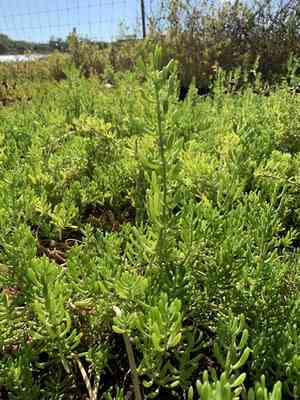
Saltwort (Batis maritima)
Also known as: Turtleweed, Pickleweed, Camphire, Akuilkuli-kai, Reef Banana
Saltwort (Batis maritima) thrives in coastal salt flats, providing a habitat for small invertebrates that seek refuge among its roots. These tiny creatures become prey for larger marine animals. Additionally, saltwort has applications in soap production, though excessive use of such soap can be harmful.
In This Article
Attributes of Saltwort
Lifespan
Perennial
Plant Type
Shrub
Plant Height
10 cm to 1.5 m
Spread
2 m
Leaf Color
Green Bronze
Flower Size
Approximately 0.2 centimeters
Flower Color
White Green
Images of Saltwort
Quickly Identify Saltwort
1
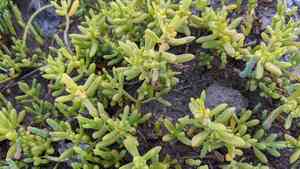
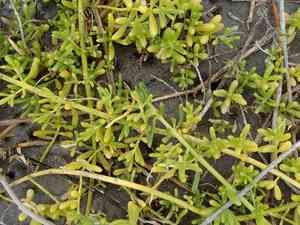
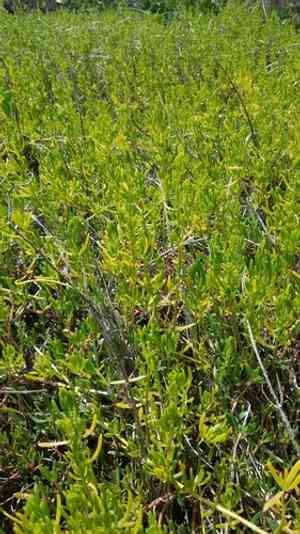
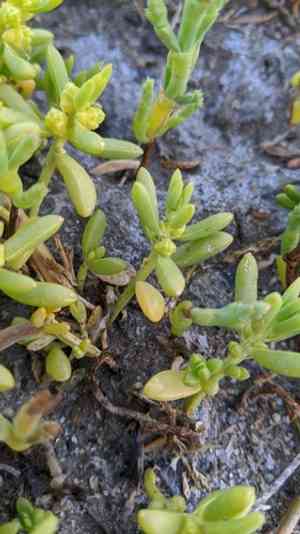
Batis maritima can be identified by its succulent, fleshy leaves which are green to yellow-green in color. The shrub typically grows low to the ground and has small, inconspicuous flowers.
Scientific Classification of Saltwort
Phylum
Vascular plants
Class
Dicotyledons
Order
Brassicales
Family
Saltwort
Genus
Turtleweed
Species
Saltwort
Planting and Growing of Saltwort
Care Difficulty
Easy
Watering Schedule
Every 2 days
Sunlight Requirements
Full sun
Sunshine Duration
4-8 hours
Ideal Temperature
75-85℉
Soil Type
Potting Mix, Peat Mix
Soil pH
6.5-8.5
Fertilizer Type
Balanced
Pruning Season
Spring, Summer
Pruning Area
Branches, Leaves
Pruning Frequency
2 times a year
Repotting Season
Spring
Pot Type
Plastic, Terracotta
 How to Water Saltwort?
Batis maritima thrives in salty, coastal environments, which means it doesn't require a lot of fresh water. When you do water, ensure the soil is moistened deeply, but not waterlogged. A deep soak of about 250 mL each time should suffice, allowing water to penetrate through the sandy substrate.
What are the symptoms of an underwatered Saltwort?
›
What should I do if my Saltwort is not getting enough water?
›
What are the symptoms of an overwatered Saltwort?
›
How to save an overwatered Saltwort?
›
 What Are the Sunlight Requirements for Saltwort?
Batis maritima ideally needs full to partial sun exposure, balancing 6-8 hours of direct or filtered sunlight. This ensures vigorous growth, healthy foliage, and enhances its natural resilience.
More About Sunlight Requirements Techniques→
What is the best lighting condition for Batis maritima?
›
How can you provide optimal lighting for Batis maritima?
›
What are the benefits of ideal lighting for Batis maritima?
›
 What Is the Ideal Temperature Range for Saltwort?
The ideal temperature range for Batis maritima is between 75°F and 85°F. This range provides the optimal conditions for growth, promoting healthy foliage and robust root development. Maintaining this temperature helps the plant in achieving its full potential in terms of size and vitality.
 What Soil is Best for Saltwort?
Batis maritima thrives in soils that offer excellent drainage. This helps prevent waterlogging, which could otherwise suffocate the roots and lead to root rot. An environment that mimics its native coastal habitats will ensure robust plant health. It requires soils that can accommodate higher salinity levels. This adaptation is crucial for its survival in coastal areas where seawater intrusion is common, providing a competitive edge against less salt-tolerant plants. Soils with moderate aeration are important for supporting the root system of Batis maritima. Such soils facilitate gas exchange, which is vital for root respiration, thereby promotive vigorous growth.
 How to Fertilize Saltwort?
Batis maritima, or saltwort, thrives with relatively minimal fertilization. A light application, approximately 1/4 cup (about 60 ml) of a balanced 10-10-10 NPK fertilizer per plant, is typically sufficient. In sandy soils, you may want to double this amount to account for nutrient leaching, ensuring the plant receives adequate nutrition.
 How to Prune Saltwort?
Inspect the plant and carefully remove any branches that are dead, damaged, or diseased. Cutting these away first helps maintain plant health and directs energy to more vigorous growth areas. Trim back any overgrown areas to maintain the plant's desired size and shape. Focus on cutting just above a node or a dormant bud to encourage bushier growth. Monthly pruning sessions ensure that you can stay ahead of any unwelcome growth patterns and keep the plant in check, especially given its propensity for rapid expansion in favorable conditions.
More About Pruning Techniques→
 How to Propagate Saltwort plant?
1
Gather ripe seeds from Batis maritima during the late flowering season. Ensure the seeds are fully matured before collecting to increase the chances of successful germination.
2
Using pruning shears, select healthy stems and cut segments that are approximately 4-6 inches long. Remove the lower leaves to expose nodes, which will encourage rooting.
3
After sanitizing the seed tray, fill it with suitable soil and sow the collected seeds at a depth of about 1/4 inch. Maintain consistent moisture levels for optimal seed germination.
 How to Repot Saltwort plant?
1
Batis maritima indicates it’s time for a new pot when you notice roots growing out of the drainage holes. It also may be time to repot if the plant is not growing vigorously or the soil retains moisture too long. The best time to repot is during its active growing seasons, which are spring and summer, allowing the plant to recover quickly.
2
A pot that's 1-2 inches larger in diameter than the current one is ideal. Ensure it has good drainage holes to prevent waterlogging, which can harm Batis maritima. A pot made of breathable materials like terracotta can also help regulate moisture levels, promoting healthier root growth and preventing rot.
3
For Batis maritima, a well-draining soil mix is crucial. A sandy soil blend mimics its natural habitat and prevents waterlogging, offering excellent aeration for roots. This setup helps the plant thrive by maintaining a balance between moisture retention and drainage, fostering robust growth and reducing the risk of root diseases.
Learn More About Saltwort Diseases
Anthracnose
Bacterial Leaf Spot
Bacterial Soft Rot
Chemical Injury
Crown Gall
Cyst Nematode
Damping-off
Drought Stress
Fusarium Wilt
Gray Mold
Leaf Spot
Mosaic
Nutrient Deficiency
Nutrient Toxicity
Powdery Mildew
Root Rot
Root-knot Nematode
Rusts
Sooty Mold
Spider Mites
Temperature Stress
Thrips Damage
White Mold



