How to Propagate Saltwort?
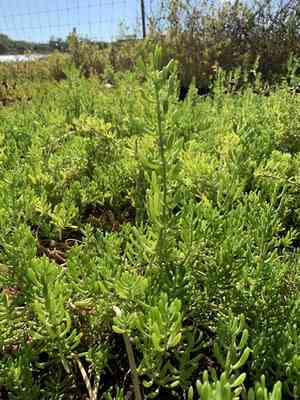
Originating from brackish littoral zones, saltwort flourishes in porous, sandy substrates rich in salinity, rendering it uniquely suited for particular ecosystems. For propagation, a useful suggestion involves employing robust stem sections, each possessing a minimum of one node. Position these sections in suitable growing material that emulates their inherent seaside surroundings. Steady hydration is crucial, yet refrain from excessive watering to avert decay. These sections typically establish roots without difficulty, yielding new specimens that mirror the attributes of the progenitor.
Optimal Time for Saltwort Propagation
Propagation Method
Cutting
Propagation Period
Spring,Summer
Tools for Saltwort Propagation
Sharp Pruning Shears
These are vital for obtaining clean, precise cuttings from saltwort. Sharp blades ensure a neat cut, minimizing stress and damage to the parent plant. This helps prevent infection and encourages quicker healing and root formation on the cuttings.
Rooting Hormone
This promotes root growth on saltwort cuttings. Applying rooting hormone to the cut ends enhances rooting success rates by stimulating root development at the contact point. This is especially beneficial for saltwort, aiding its establishment in new settings.
Sterile Potting Mix
A well-draining and sterile potting mix is suitable for saltwort's rooting requirements. It lowers the risk of soil-borne diseases, which is essential during the delicate initial stages of cutting propagation, fostering robust root development.
Propagation Trays
These are used to hold cuttings while they root. Trays should offer adequate drainage and prevent excessive water retention, which is advantageous for preventing root rot in saltwort.
Plastic Covers or Propagation Domes
These tools help maintain high humidity around saltwort cuttings, which is necessary for successful rooting. The cover creates a microenvironment of moist air that helps prevent the cuttings from drying out before they can establish new roots.
How to Propagate Saltwort?
Propagation Type
Moderately Difficult
Caring for Newly Propagated Saltwort
Caring for Newly Propagated Saltwort
Saltwort thrives in salt marsh and coastal environments, so it typically needs minimal care once established. Ensure it is in a sunny spot and water moderately to mimic its natural habitat. Although it tolerates salt, regular watering with fresh water promotes healthier growth. Little fertilization is required; a light application of a balanced fertilizer during the growing season can support its growth without causing stress.
Common Mistakes to Avoid When Propagating Saltwort
Overwatering during propagation
Excess moisture can lead to root rot or fungal problems, impeding root development in saltwort. This is crucial because saltwort naturally tolerates saltier, drier conditions, and too much water disrupts its natural growth process.
Using non-saline water for propagation
Normal fresh water can significantly impact the osmotic balance required for saltwort growth. This species is adapted to brackish environments, and using water without any salt content may cause the plant stress or hinder its development.
Ignoring substrate composition
Using a nutrient-rich, dense soil can suffocate saltwort roots. This plant thrives in sandy, well-drained substrates, where roots can easily spread without becoming waterlogged.
Tips For Propagating Saltwort
Utilize sandy, well-drained soil
To replicate saltwort's natural environment, use a sandy substrate that provides ample drainage and aeration, vital for healthy root development and preventing rot.
Incorporate saline solutions lightly during watering
Since saltwort is adapted to saline environments, lightly salting the water or using water from a brackish source can help maintain the osmotic balance necessary for saltwort's growth.
Control moisture levels carefully
Maintain moderate moisture levels during propagation; aim to keep the substrate damp but not waterlogged, to reflect the natural growing conditions of saltwort and promote effective root establishment.



