How to Prune Saltwort?
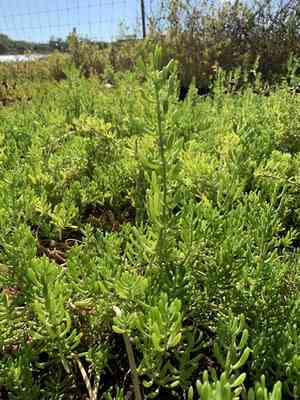
A coastal dwelling halophyte, saltwort possesses adaptations for salinity endurance. Trim saltwort in winter, its period of inactivity, to sculpt and eliminate lifeless or ailing stalks, fostering vigorous spring development. Employ sanitized, keen implements for accurate incisions, averting harm. Trimming preserves visual appeal and plant well-being, improving air movement and diminishing pest occurrences.
What Are the Benefits of Pruning Saltwort?
What Are the Benefits of Pruning Saltwort?
Trimming saltwort promotes vigorous development and helps maintain its desired form. Regular cutting removes dead or weak stems, fostering a denser, healthier plant structure.
What Is the Best Time for Pruning Saltwort?
What Is the Best Time for Pruning Saltwort?
The optimal season for pruning saltwort is winter due to the plant's dormant state during this period. Pruning during dormancy supports robust spring growth, as saltwort directs its energy to new shoot development after trimming. Winter pruning minimizes the risk of disease transmission and plant stress, as pests and pathogens are less active. This timing also avoids disrupting flowering or fruiting cycles, which saltwort prepares for in other seasons. Gardeners should ensure pruning occurs after the coldest part of winter has passed to prevent frost damage to new growth.
What Tools Do I Need to Prune Saltwort?
Hand Pruners
Perfect for precise cuts on saltwort's smaller stems, ensuring minimal harm to the plant tissue.
Pruning Shears
Ideal for shaping and managing saltwort's growth, allowing gardeners to easily maintain the desired plant structure.
Pruning Saw
Useful for removing thicker, woody branches of saltwort that hand pruners cannot handle without straining the gardener or the plant.
How to Prune Saltwort
Identify
Examine saltwort for withered leaves, dead branches, and signs of illness. Focus on the areas designated for pruning to maintain the plant's health and appearance.
Sanitize
Use sharp, clean pruning shears or scissors to prevent infection. Sterilize tools before use with rubbing alcohol or a bleach solution to protect saltwort from pathogens.
Trim Withered Leaves
Carefully remove withered leaves by cutting them at the base of the leaf stem. Ensure cuts are clean and avoid tearing, which can harm saltwort's healthy tissues.
Remove Dead Branches
Cut dead branches at their point of origin or back to a main stem. Do not leave stubs, as they can attract pests and disease to saltwort.
Prune Diseased Branches
Trim off diseased branches by making cuts at least several inches below the affected area into healthy wood. Dispose of the removed material away from saltwort to prevent reinfection.
Common Pruning Mistakes with Saltwort
Over-Pruning
A common error is removing too much foliage, which can stress saltwort and hinder its ability to photosynthesize effectively, potentially leading to poor growth or even plant death.
Improper Cuts
Making cuts too far from a node or cutting into the main stem can cause unnecessary damage to saltwort, creating entry points for pests or disease and discouraging proper regrowth.
Using Dull Tools
Pruning with dull or unclean tools can result in jagged cuts that are more susceptible to infections, and it can also damage the tissue of saltwort.
Neglecting Shaping
Some gardeners might overlook the shaping aspect of pruning saltwort, which can lead to an unbalanced plant prone to poor airflow and light penetration.
Ignoring Health
Ignoring the removal of dead or diseased growth is a mistake that can lead to further decline in saltwort's health by allowing disease and pest infestation to spread.
Common Pruning Tips for Saltwort
Sharp Tools
Always use sharp, clean pruning shears or scissors to make clean cuts on saltwort, which help ensure quick healing and minimize the risk of disease.
Health First
Prioritize the removal of dead, diseased, or damaged stems to maintain the health and vigor of saltwort. This helps prevent the spread of decay and facilitates productive growth.
Correct Angle
Cut stems at a 45-degree angle just above a node where new growth can emerge, promoting healthy and directional growth for saltwort.
Thinning Out
Thin out dense areas to improve air circulation and light penetration, which will encourage strong, even growth in saltwort.
Balance
Aim for a balanced shape when pruning saltwort, which helps in maintaining not only the aesthetic appeal but also the overall health and strength of the plant.



