How to Transplant Common bamboo?
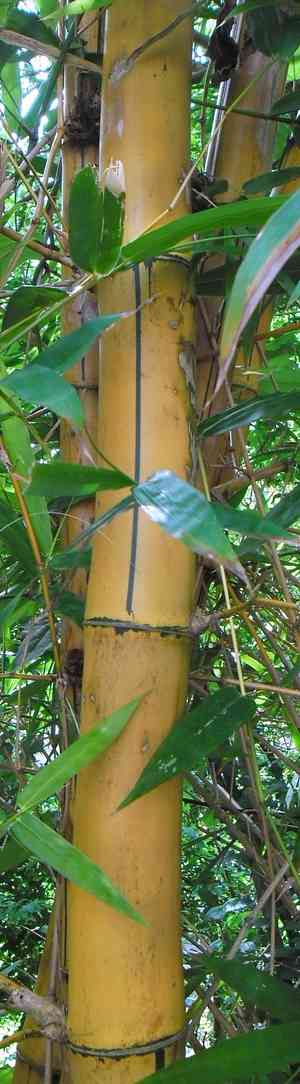
The optimal period for relocating common bamboo is during the gentle warmth of late spring, which facilitates quick root development. Select a bright location with sufficient room and ensure the ground remains damp to support the common bamboo's successful transfer.
What Preparations are Needed Before Transplanting Common Bamboo?
What is the Ideal Time for Transplanting Common Bamboo?
The optimal period for relocating common bamboo is from late spring to early summer. This timeframe allows common bamboo to develop its root system without the stress of extreme temperatures. Moving it during this season leverages the mild weather, promoting vigorous growth before intense heat. Furthermore, rising soil warmth encourages healthier root formation. Remember, a gentle transplant sets the stage for common bamboo's successful long-term health, avoiding the challenges of harsher seasons.
How Much Space Should You Leave Between Common Bamboo Plants?
When moving common bamboo, plan to provide ample room between each plant. Aim for approximately 3-5 feet or 90-150 cms apart. This will allow them sufficient space to reach maturity.
What is the Best Soil Mix for Common Bamboo Transplanting?
For optimal development, common bamboo thrives in a well-draining soil base, ideally sandy loam. Initially, enrich your soil with a foundational fertilizer rich in nitrogen and phosphorus. This will supply crucial nutrients for the plant's growth.
Where Should You Relocate Your Common Bamboo?
Location is crucial for common bamboo. Select a garden spot where the plant can receive full sun exposure daily or at least partial sunlight, as this is essential for proper growth.
What Equipments Should You Prepare Before Transplantation Common Bamboo?
Gardening Gloves
To safeguard your hands while handling soil and plants.
Shovel or Spade
For digging the planting hole for common bamboo and assisting in its removal from the original site.
Garden Fork
To aerate and loosen the soil, which aids in the plant's establishment.
Hose or Watering Can
To hydrate the plant both prior to and following transplantation.
Wheelbarrow
To move the plant from its initial spot to the new location.
Pruning Shears
To trim any damaged or dead branches, which can help in its successful establishment after transplant.
Mulch
To help retain soil moisture after planting.
Compost or Organic Matter
To enrich the soil at the new site, which can support the growth of common bamboo.
How Do You Remove Common Bamboo from the Soil?
How Do You Remove Common Bamboo from the Soil?
From Ground: First, moisten the common bamboo plant to dampen the soil. This will both protect the roots and facilitate digging. Next, use a shovel or spade to excavate a wide trench around the plant, ensuring the plant's root ball remains intact. Carefully work the spade beneath the root ball to lift the plant from its original position.From Pot: Water the common bamboo plant before extracting it from the container. Gently tilt the pot on its side and slowly ease the plant out. Avoid pulling the plant by its stalk. If removal is difficult, tap the pot's sides to loosen it.Seedling Tray: Water the seedlings before removal. Using a small tool or your fingers, carefully lift the seedlings from the tray, making sure to preserve as much root material as possible.
Step-by-Step Guide for Transplanting Common Bamboo
Preparation
Assess the size of your common bamboo and prepare a hole twice as wide and equal in depth to the plant's root ball. Set aside the soil removed from the hole.
Plant Removal
Carefully extract the common bamboo from its original environment using the methods described previously.
Transplanting
Place the common bamboo into the prepared hole. Ensure the top of the root ball is level with the soil surface. Return the soil removed from the hole and gently press it around the roots.
Watering
Thoroughly water the plant after transplanting to help settle the soil around the roots.
Mulching
Apply a layer of mulch around the plant to help conserve water and maintain a more consistent soil temperature.
How Do You Care For Common Bamboo After Transplanting?
Water Regime
Water your common bamboo thoroughly immediately after planting, then consistently thereafter. These plants prefer regular but moderate irrigation.
Pruning
Trim any damaged or yellowing leaves to encourage new growth and keep your plant looking neat.
Checking
Regularly inspect your common bamboo for any indications of disease or pests. If present, identify and treat them appropriately.
Staking
If your common bamboo is tall and slender, it may require staking for support until it is well-established.
Troubleshooting Common Issues with Common Bamboo Transplantation.
What's the optimal season to transplant common bamboo?
The best time to transplant common bamboo is during late spring to early fall (S2-S4). It ensures the plant establishes before winter.
How much space does each common bamboo need when transplanting?
For healthy growth, ensure a distance of about 3-5 feet (0.9-1.5 meters) between each common bamboo while transplanting.
How deep should be the hole for transplanting common bamboo?
The hole should be twice as wide and the same depth as the pot. This is roughly around 10 inches (25 cm).
What to do if my transplanted common bamboo looks wilted?
Don't fret! Common bamboo can wilt after transplant due to shock. Continue normal care, it should recover within a few weeks.
How to ensure common bamboo establishes well after transplanting?
Common bamboo loves fertile, well-draining soil. Water thoroughly after transplanting and maintain regular watering. Be patient, establishment may take weeks.
How much sunlight does common bamboo require post-transplant?
Common bamboo does well in full sun to partial shade. After transplant, shield it from afternoon sun for a couple of weeks.
When will I notice new growth on my transplanted common bamboo?
Typically, it takes a few weeks for common bamboo to establish and adapt to the new surroundings. That's when you'll see new growth.
How to care for common bamboo during hot days after transplanting?
During warm days, common bamboo may demand more water. Prevent dehydration by increasing watering frequency but avoid waterlogging the roots.
I see yellow leaves on my transplanted common bamboo, what to do?
Yellow leaves could be a sign of overwatering or lack of nutrients. Adjust watering and consider a balanced organic fertilizer.
Can I prune common bamboo immediately after transplanting?
Not immediately. Although common bamboo enjoys pruning, allow it a couple of months to establish post-transplant. After that, feel free to prune for shape and size.



