How to Propagate Common bamboo?
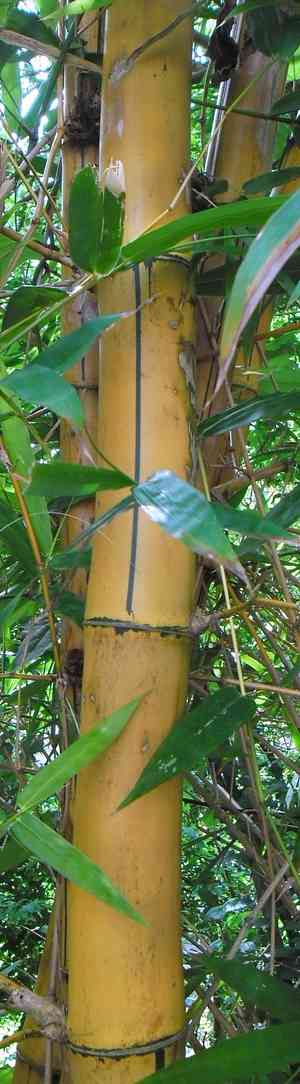
Dividing common bamboo is most effectively performed in the Spring and Autumn seasons. This method is moderately challenging but is indicated by the emergence of new shoots. To enhance success, confirm that an adequate root structure is present during the division process.
Optimal Period for Propagating Common Bamboo
Propagation Method
Separation
Propagation Period
Spring, Autumn
Tools Utilized in Common Bamboo Propagation
Sharp Pruning Shears
Crucial for making clean cuts through common bamboo's robust stems, minimizing harm and lowering infection risk. Perfect for division, enabling precise separation of clumps with minimal damage to both parent and new plants.
Heavy-Duty Saw
Employed for severing thicker common bamboo stems when dividing larger clusters. A keen, sturdy saw is essential due to the density and size of mature common bamboo stems, ensuring swift and efficient cuts that simplify handling and lessen plant stress.
Spade or Shovel
Used for excavating around the common bamboo's root base to extract the clump from the soil. A robust spade or shovel with a sharp edge is preferred to cut through roots and earth with minimal effort, vital for reducing root damage during division.
Root Pruning Hook
Designed to untangle and trim common bamboo roots during division. This implement aids in carefully separating roots with minimal harm, ensuring each new plant possesses a robust root system for successful establishment post-propagation.
Garden Gloves
Protective hand coverings shield hands from sharp edges and splinters when handling common bamboo. This personal safety gear is important for the propagator's well-being and helps maintain a firm grip on tools and the plant during division.
Watering Can or Hose
Supplies moisture to common bamboo following division. Proper hydration is vital for the recovery and establishment of new plants, and using a watering can or hose with a gentle spray setting ensures delicate, freshly cut roots remain undisturbed.
Procedure for Propagating Common Bamboo
Propagation Method
Separation
Difficulty Level
Simple
Post-Propagation Care for Your New Common Bamboo
Post-Propagation Care for Your New Common Bamboo
To care for common bamboo after propagation, ensure consistent hydration, especially during dry periods, to encourage robust root development. Fertilize with a balanced nutrient mix during the growing season to support new growth. Monitor for pests and diseases, treating them as needed. As common bamboo matures, thin out dense clumps to improve airflow and overall plant health. If desired, install barriers to manage spread and shape the stand.
Common Errors to Avoid When Propagating Common Bamboo
Insufficient rhizome preparation
When propagating common bamboo via division, gardeners might overlook rhizome preparation. This includes failing to select healthy segments or trim them correctly. The result is a lower success rate for transplantation, as unhealthy or poorly prepared segments may not root or could succumb to disease.
Disregarding node health
Each common bamboo cutting for propagation should contain a node, as this is where new roots emerge. Ignoring the health or presence of nodes can lead to cuttings that fail to root, impeding growth.
Excessive watering of cuttings
Propagated common bamboo cuttings can rot if overwatered. It's crucial to maintain appropriate moisture levels, as too much water can cause fungal diseases and hinder root development.
Using unsterilized tools
Failing to sterilize cutting tools before use can introduce pathogens to common bamboo cuttings, potentially leading to plant disease and poor propagation outcomes.
Neglecting acclimatization
Moving propagated common bamboo directly into vastly different environments (intense sunlight, wind, varying humidity) without a gradual acclimatization period can shock the plant, causing stress and potentially death.
Tips For Propagating Common Bamboo
Selection of healthy parent
Choose a robust and disease-free 'mother' plant to give cuttings or divisions the best chance for successful propagation. The parent's health is a strong indicator of the propagules' success.
Appropriate cutting size
Common bamboo cuttings should have at least one node and be approximately 10-15 inches long to provide ample area for root growth and ensure stability once planted.
Adequate moisture regulation
Maintain a balanced moisture level around common bamboo cuttingsâneither too wet nor too dry. This promotes successful rooting without encouraging rot or disease.
Sterilization of equipment
Ensure all cutting implements are sterilized before making divisions or cuttings. This practice reduces the risk of introducing diseases to the plant.
Controlled rooting environment
Provide a stable, controlled environment for rooting common bamboo cuttings, shielding them from extreme elements while offering a favorable microclimate for root development.



