How to Transplant Black horehound?
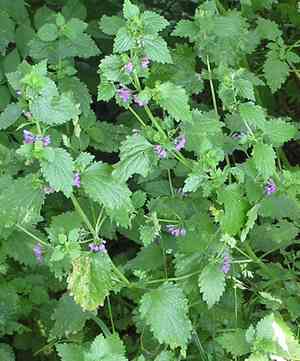
The ideal time to relocate black horehound is from late spring to early summer, providing a mild environment for root development. Select a location offering partial sunlight and soil that drains effectively to encourage robust proliferation. Establishing a favorable, nurturing site for black horehound will lead to the most successful transplant outcomes.
What Preparations are Needed Before Transplanting Black Horehound?
What is the Ideal Time for Transplanting Black Horehound?
The optimal period for relocating black horehound spans from late spring to early summer. This timeframe provides increasing warmth and stable temperatures, fostering robust root development in black horehound, allowing it to establish before the peak summer heat. Planting black horehound at this point enables it to thrive throughout the entire growing season, enhancing its resilience to future weather changes. With the soil adequately thawed and moist, conditions are set for black horehound to flourish, maximizing the benefits of extended daylight hours. Transplanting during these months ensures black horehound's successful growth!
How Much Space Should You Leave Between Black Horehound Plants?
Hello gardener! Before moving your black horehound to its new spot, let's ensure it has adequate room. Aim for a comfortable spacing of 18-24 inches (45-60 cm) between each plant. This will guarantee they have sufficient area to grow without competing for nutrients or sunlight.
What is the Best Soil Mix for Black Horehound Transplanting?
To jumpstart your black horehound's growth, let's properly prepare its bed! A well-draining, loamy soil will make black horehound most content. Incorporate some compost or a balanced slow-release fertilizer before planting to provide a nutrient-rich base for strong and healthy development.
Where Should You Relocate Your Black Horehound?
Now, for the bright location! Your black horehound will thrive in a spot that receives full sun to partial shade. This means selecting a luminous area that gets direct sunlight for at least 6 hours daily but remains cool enough during the hottest part of the afternoon. Happy planting!
What Equipments Should You Prepare Before Transplantation Black Horehound?
Gardening Gloves
To safeguard your hands while handling soil and plants.
Shovel or Spade
For digging and lifting the plant from its current position.
Watering Can or Hose
To hydrate the plant before and after relocation.
Wheelbarrow or Plant Trolley
To move the plant to its new site if it is large.
Pruning Shears
To trim any dead or excess growth prior to transplanting.
Garden Fork
To loosen the soil around the roots during extraction.
Mulch
To help retain soil moisture and regulate temperature after transplant.
How Do You Remove Black Horehound from the Soil?
How Do You Remove Black Horehound from the Soil?
From Ground: First, water the black horehound plant to moisten the soil. Use a shovel or spade to dig a wide trench around the plant, being careful not to damage the root ball. Gently pry under the root ball to lift the plant from the ground.From Pot: Tilt the pot on its side and tap the bottom to loosen the black horehound plant. Carefully ease the plant out, supporting the root ball to prevent harm.From Seedling Tray: Water the tray to make the soil damp, which aids in removing the seedlings. Using a spoon or similar tool, gently lift the black horehound plant from the cell, ensuring all roots are included.
Step-by-Step Guide for Transplanting Black Horehound
Digging the Hole
Excavate a hole in the ground that is twice as wide and equally deep as the root ball of your black horehound plant.
Preparing the Plant
Gently untangle any circling roots to encourage outward growth. Remove dead or damaged roots using pruning shears.
Placing the Plant
Position the black horehound plant in the center of the hole. The top of the root ball should be level with the soil surface.
Filling the Hole
Gradually backfill the hole with soil, lightly tamping down as you proceed to eliminate air pockets.
Watering
Thoroughly water the black horehound plant after planting to settle the soil around its roots.
Mulching
Apply a layer of mulch around the base of the black horehound to conserve moisture and suppress weed growth.
How Do You Care For Black Horehound After Transplanting?
Watering Frequency
Post-transplant, water the black horehound consistently to aid root establishment. Gradually decrease frequency as the plant settles.
Mulching
Maintain the mulch layer to preserve moisture levels and protect against temperature extremes.
Pruning
Trim any dead or excessive growth to encourage healthy and vigorous development of the black horehound.
Monitoring for Pests
Regularly inspect the leaves and stem of the black horehound for any indications of pests or diseases and address them promptly.
Support Structures
If the black horehound grows tall or wide, consider using stakes or trellises for support.
Troubleshooting Common Issues with Black Horehound Transplantation.
How far apart should I space black horehound when transplanting?
Position black horehound plants approximately 18-24 inches (45-60 cm) apart to ensure ample room for growth.
What's the ideal season to transplant black horehound?
The optimal period to transplant black horehound is during the delightful transition from late spring to early summer.
Why are my black horehound seedlings wilting after transplanting?
Wilting may indicate transplant shock. Ensure careful handling, sufficient watering, and initial protection from direct sunlight.
How do I prepare the soil for transplanting black horehound?
Enrich the soil with organic matter and confirm it drains well. Prepare the site in advance to facilitate transplanting.
Can black horehound be transplanted on a cloudy day?
Absolutely! Overcast, cool days are perfect for transplanting black horehound to minimize stress from direct sunlight.
What should I do if black horehound isn't thriving post-transplant?
Verify soil moisture and drainage, check for pests, and if necessary, apply a balanced fertilizer.
How deep should I plant black horehound when transplanting?
Dig a hole as deep as the root ball and twice its width to give black horehound an excellent start.
Is regular watering needed after transplanting black horehound?
Indeed, consistent moisture helps black horehound acclimate, but be careful not to overwater to prevent root rot.
How long should I wait to transplant black horehound seedlings outdoors?
Wait until they are robust and the danger of frost has passed. Gradually acclimate them to outdoor conditions.
Can I transplant black horehound during the peak of summer?
It's risky, as intense heat can stress black horehound. If unavoidable, provide ample water and shade for a few days post-transplant.



