How to Propagate Black horehound?
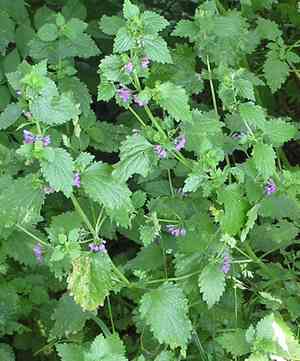
Ballota nigra can effectively multiply via the technique of taking cuttings. This process entails acquiring semi-hardwood cuttings from the specimen during its active growth period. These cuttings ought to encompass a portion of both the stem and foliage to enhance the likelihood of successful root formation. Verify that each cutting is situated in adequately draining substrate and sustain humid conditions to foster root emergence. Regular attention and observation will promote robust development.
Optimal Period for Black Horehound Propagation
Propagation Method
Cutting
Propagation Period
Spring,Summer
Tools Required for Black Horehound Propagation
Sharp Pruning Shears
Crucial for taking cuttings, sharp pruning shears ensure a clean cut that encourages healthier rooting. Clean cuts minimize disease risk and damage to black horehound's stem tissues, vital for effective cutting propagation.
Rooting Hormone Powder
This boosts the probability of successful root formation in black horehound. Applying rooting hormone to fresh cuttings stimulates faster root growth, enhancing the overall propagation success rate.
Sterile Potting Mix
A light and sterile potting mix offers the ideal setting for rooting black horehound's cuttings. It lacks pathogens that could harm vulnerable cuttings and supports proper drainage and aeration, key elements for root development.
Propagation Tray
Used to organize and maintain humidity around black horehound's cuttings, a propagation tray is particularly useful. Trays help sustain consistent moisture levels and temperature, both crucial for encouraging root growth.
Plastic Dome or Plastic Bags
Creating a greenhouse-like environment, these covers help maintain high humidity and stable temperatures, both important to prevent black horehound's cuttings from drying out before they have established roots.
How to Propagate Black Horehound?
Propagation Type
Easy
Caring for Your Newly Propagated Black Horehound
Caring for Your Newly Propagated Black Horehound
Once black horehound cuttings have rooted, typically indicated by new growth, gradually introduce them to their permanent growing conditions. Plant them in their final spot with partial to full sun exposure and water weekly, allowing the soil to dry slightly between waterings. During the growing season, fertilize black horehound with a balanced, water-soluble fertilizer every four weeks to support healthy growth. Monitor for pests like aphids and treat as needed.
Common Errors to Avoid When Propagating Black Horehound
Overwatering
Excessive watering during the rooting phase can cause root rot in black horehound, compromising its ability to establish a healthy root system. Too much moisture creates an anaerobic environment that promotes harmful fungi and bacteria.
Deep planting
Planting black horehound cuttings too deeply can hinder their ability to form new shoots and roots. Deep planting can also lead to stem base rot, preventing the establishment of new plants.
Using non-sterile tools
Using unsterilized tools when cutting or handling black horehound can introduce pathogens, potentially infecting plant tissues. This can result in diseased cuttings that fail to thrive or propagate correctly.
Tips For Propagating Black Horehound
Appropriate soil mix
For successful propagation, use a well-draining, sandy soil mix for black horehound. This soil type ensures adequate drainage and aeration, which are vital for root development and overall health.
Humidity control
Maintaining moderate humidity around black horehound during propagation helps prevent cuttings from drying out. However, it's crucial to balance this with good air circulation to avoid fungal infections.
Use of rooting hormone
Applying rooting hormone to the cut end of black horehound cuttings can significantly enhance root development. This increases the chances of successful propagation by promoting quicker and more robust root growth.



