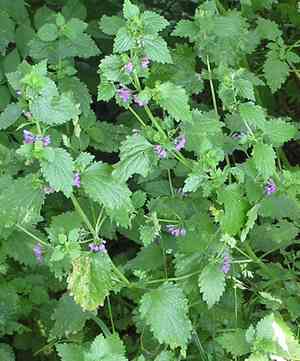
Black horehound (Ballota nigra)
Also known as: Stinking horehound
Black horehound, scientifically known as Ballota nigra, is a perennial herb noted for its musty or moldy scent. The genus name "Ballota" is derived from the Greek word that means "to reject," reflecting the plant's unpleasant odor that tends to repel both animals and people.
In This Article
Attributes of Black horehound
Lifespan
Perennial
Plant Type
Herb
Plant Height
30 cm to 1 m
Spread
60 cm to 90 cm
Leaf Color
Green
Flower Size
1.3 cm
Flower Color
Purple Pink
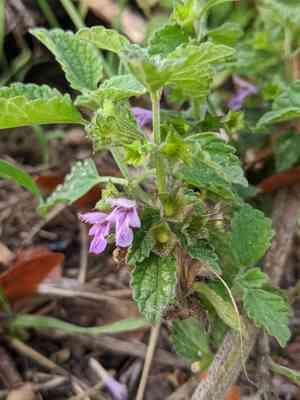
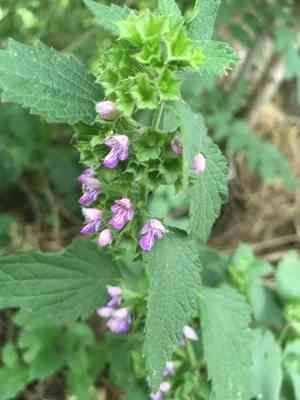
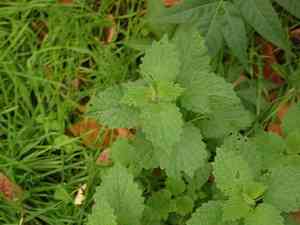
Images of Black horehound
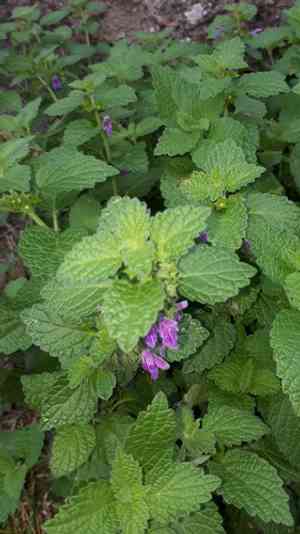
Quickly Identify Black horehound
1
Ballota nigra can be identified by its square stems, soft, hairy leaves, and clusters of small, purple or pinkish flowers. The leaves are toothed and have a distinctive, unpleasant smell.
Scientific Classification of Black horehound
Phylum
Vascular plants
Class
Dicotyledons
Order
Lamiales
Family
Mint
Genus
Horehounds
Species
Black horehound
Planting and Growing of Black horehound
Care Difficulty
Easy
Watering Schedule
Every 3 days
Sunlight Requirements
Partial sun
Sunshine Duration
4-6 hours
Ideal Temperature
60-70℉
Soil Type
Potting Mix, Peat Mix
Soil pH
6.5-7.5
Fertilizer Type
Balanced
Pruning Season
Spring, Summer
Pruning Area
Branches, Leaves
Pruning Frequency
2 times a year
Repotting Season
Spring
Pot Type
Ceramic, Plastic
 How to Water Black horehound?
Ballota nigra prefers moderate watering, keeping the soil evenly moist but never waterlogged. Water it with about 200 ml, ensuring the top inch of the soil is moist but not soggy. Overwatering can lead to root rot, so it's important to allow the soil to dry out slightly between waterings.
What are the symptoms of an underwatered Black horehound?
›
What should I do if my Black horehound is not getting enough water?
›
What are the symptoms of an overwatered Black horehound?
›
How to save an overwatered Black horehound?
›
 What Are the Sunlight Requirements for Black horehound?
Ballota nigra benefits from partial sun exposure, ideally four to six hours of diffused sunlight daily. This light range ensures optimal growth and vibrant blooms while preventing potential scorch.
More About Sunlight Requirements Techniques→
Preferred Environment
›
Benefits of Ideal Lighting
›
Solutions for Ideal Lighting
›
 What Is the Ideal Temperature Range for Black horehound?
The ideal temperature range for cultivating Ballota nigra is between 60°F to 70°F. In this range, the plant can perform optimal photosynthesis, respiration, and nutrient uptake processes, facilitating its growth and development. Maintaining this temperature range assures vigorous growth and blooming.
 What Soil is Best for Black horehound?
Ballota nigra thrives in soils that offer excellent drainage. This reduces the risk of root rot and other moisture-related issues, allowing the plant to focus on healthy growth and aromatic leaf production. Medium-fertility soil is ideal for Ballota nigra, as it requires nutrients for robust foliage growth but not in excess. A balanced nutrient supply ensures the plant produces its characteristic aroma without becoming leggy or weak. This plant prefers a soil pH ranging from neutral to slightly alkaline (6.5 to 7.5). Maintaining this pH range supports nutrient availability, leading to optimal growth and a healthy plant appearance.
 How to Fertilize Black horehound?
For Ballota nigra, apply liquid fertilizer at half the recommended strength on the package to prevent over-fertilization, as it's a plant that thrives in nutrient-poor soils. Use approximately 100 to 150 ml of diluted liquid fertilizer per application.
 How to Prune Black horehound?
Begin by removing any dead or diseased branches by cutting back to a healthy branch or bud. This helps to maintain the overall health of the Ballota nigra. Trim back the longer stems to shape the plant and encourage it to grow densely. This can help maintain your desired appearance for the plant. Deadheading or removing faded flowers can prevent seed formation and promotes prolonged blooming, keeping your plant lively throughout the growing season.
More About Pruning Techniques→
 How to Propagate Black horehound plant?
1
Collect seeds from mature Ballota nigra plants during late summer. Sow them in well-draining soil, lightly covering the seeds, and water gently to settle the soil.
2
Select healthy stem cuttings about 10-15 cm long. Remove the lower leaves and dip the cut end in rooting hormone to encourage root growth.
3
Carefully dig up a mature Ballota nigra plant and divide it into smaller sections, ensuring each has roots attached. Replant these divisions promptly in prepared soil.
 How to Repot Black horehound plant?
1
Ballota nigra should be repotted when you notice roots starting to grow through the drainage holes or if the plant appears too large for its current pot. Another signal is slowed growth despite normal conditions. Ideal times for repotting are during its active growth periods, particularly in spring and autumn, when the plant can recover more quickly.
2
Select a pot that is one size larger than the current one to provide room for growth. It should have multiple drainage holes to prevent waterlogging, which can lead to root rot. Using a slightly larger pot helps promote balanced root development, preventing the plant from becoming root-bound.
3
Use well-draining, sandy loam as it provides good aeration while retaining essential nutrients for Ballota nigra. This type of soil prevents water stagnation, reducing the risk of root disease, and supports healthy root growth by allowing excess moisture to escape.
Learn More About Black horehound Diseases
Bacterial Leaf Spot
Bacterial Soft Rot
Bacterial Wilt
Chemical Injury
Damping-off
Downy Mildew
Drought Stress
Fusarium Wilt
Gray Mold
Leaf Spot
Mosaic
Nutrient Deficiency
Nutrient Toxicity
Powdery Mildew
Root Rot
Root-knot Nematode
Rusts
Sooty Mold
Spider Mites
Temperature Stress
Thrips Damage
White Mold



