How to Prune Black horehound?
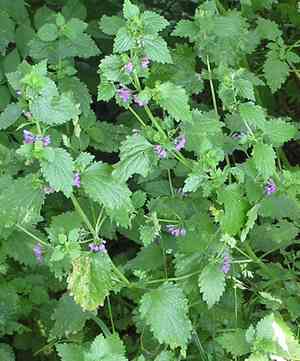
This enduring herb is recognized for its unique, fragrant foliage and tiny, violet blossoms. For black horehound, trim extensively in early spring to foster dense development. Throughout the summer, remove faded flowers to encourage fresh blooms. Timely trimming can invigorate more robust, thriving plants and prolong the flowering season. Avoid severe cuts, as black horehound thrives with gentle, consistent upkeep. Appropriate pruning also assists in averting prevalent ailments by improving air movement among the plant's leaves.
Benefits of Pruning Black Horehound
Benefits of Pruning Black Horehound
Trimming black horehound promotes robust development and helps maintain its desired form. Strategic cuts invigorate the plant, fostering denser foliage and a more appealing shape suitable for garden aesthetics.
Optimal Pruning Time for Black Horehound
Optimal Pruning Time for Black Horehound
Late Spring and early Summer are ideal periods for trimming black horehound, as this coincides with the start of its active growth phase. During this time, black horehound has emerged from its dormant winter state, and new growth can efficiently heal pruning wounds, minimizing plant stress. Pruning in late Spring encourages strong growth and helps preserve the plant's shape and health. Furthermore, by early Summer, the risk of late frosts has passed, reducing potential damage to fresh cuts. Pruning now also allows for the removal of any dead or damaged winter growth, ensuring the plant's energy is directed towards producing healthy new foliage and flowers instead of sustaining injured parts. This is also a crucial time before the main blooming, as black horehound typically flowers in mid to late Summer, ensuring pruning does not negatively impact its flowering potential.
Tools Required for Pruning Black Horehound
Bypass Pruners
Perfect for making clean cuts on black horehound's stems, bypass pruners ensure minimal harm to the plant's remaining tissue. Suitable for stems up to half an inch in diameter, they should be used for routine thinning and shaping of black horehound.
Lopping Shears
Black horehound may possess some thicker stems that necessitate a tool with greater leverage. Lopping shears, with their extended handles, can easily cut through stems up to one and a half inches thick, which is appropriate for black horehound's more substantial growth.
Pruning Saw
For mature black horehound specimens with particularly thick stems, a pruning saw might be essential. This tool can handle diameters beyond what loppers can manage, allowing the gardener to remove large stems without damaging the tool or the plant.
Gardening Gloves
Though not a cutting tool, gardening gloves are vital for safeguarding hands from black horehound's coarse foliage and potential skin irritants during the pruning process.
Pruning Snips
For precise tasks such as deadheading or trimming small, delicate parts of black horehound, pruning snips are highly beneficial. They offer more accurate control than larger tools.
How to Prune Black Horehound
Sanitize tools
Before commencing the pruning process on black horehound, cleanse and sanitize your pruning implements. This prevents disease transmission and maintains plant health.
Remove diseased sections
Identify and carefully excise any diseased leaves and stems from black horehound. Make cuts at the base of affected parts, taking care not to harm healthy tissue.
Trim withered foliage
Prune away withered leaves from black horehound by snipping them off where they meet the stem. This helps redirect the plant's energy to new growth.
Shape the plant
After removing diseased and withered parts, shape black horehound by trimming back overgrown stems. This encourages a fuller and more compact growth habit.
Clean up debris
Gather and dispose of all pruned material away from black horehound to lessen the risk of future disease. Clean your tools again upon completion.
Common Pruning Errors with Black Horehound
Excessive pruning
Removing too much growth at once can stress black horehound, potentially leading to a weakened plant more vulnerable to pests and diseases.
Incorrect cuts
Making jagged or tearing cuts can harm black horehound. Clean, angled cuts help prevent disease and allow the plant to heal more effectively.
Neglecting tools
Using dull or dirty pruning tools can damage black horehound's plant tissue and introduce pathogens, resulting in poor growth or disease.
Pruning healthy growth
Indiscriminately cutting back healthy stems can diminish flowering potential and the overall vigor of black horehound.
Ignoring plant structure
Failing to consider the natural shape and growth habit of black horehound when pruning can result in a less aesthetically pleasing plant.
General Pruning Advice for Black Horehound
Selective thinning
Remove only the oldest and weakest stems to encourage new growth and improve air circulation within black horehound's foliage.
Consistent upkeep
Regularly remove dead or dying foliage and spent flowers to promote continuous blooming and reduce the likelihood of disease in black horehound.
Prune for form
Shape black horehound by cutting back leggy stems to a healthy set of leaves or buds to maintain an attractive plant form.
Utilize appropriate tools
Employ sharp, clean secateurs or pruning shears specifically for black horehound to ensure precise and clean cuts.
Disinfect tools
Cleanse pruning tools before and after use on black horehound to prevent the spread of disease from plant to plant.
Timing with growth cycle
Although the best season for pruning is not covered here, aligning pruning practices with the growth cycle of black horehound is crucial for optimal plant health.



