How to Transplant Desert date?
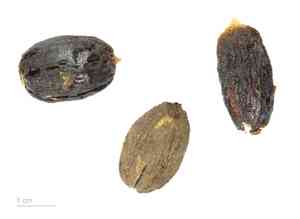
Desert date transplantation flourishes most effectively when established between early and late spring, capitalizing on prime growing circumstances. Select locations that receive ample sunlight and possess good drainage, and amend the soil for this arid-adapted plant. Handle its delicate root structure with care.
What Preparations are Needed Before Transplanting Desert Date?
What is the Ideal Time for Transplanting Desert Date?
The optimal period to relocate desert date is during the increasing warmth of late winter through the gentle start of summer. This season's consistent climate supports desert date's strong root development and aids in its adaptation, ensuring a successful move. Transplanting desert date then allows it to establish itself with the full vigor of spring growth, setting the stage for a flourishing life cycle in its new location.
How Much Space Should You Leave Between Desert Date Plants?
When relocating desert date, provide them with adequate room to flourish! Aim to space them approximately 13-20 feet (4-6 meters) apart. This will guarantee they have sufficient space to grow without competing for resources.
What is the Best Soil Mix for Desert Date Transplanting?
Prepare the ground for your desert date with soil that drains well. Incorporate a balanced, slow-release fertilizer to give them a robust start. Choose a sandy loam for optimal growth - your desert date will appreciate it!
Where Should You Relocate Your Desert Date?
Locate a sunny spot in your garden for your desert date, as they thrive in full sunlight. An area that receives direct sun for most of the day will supply the energy they require for peak growth.
What Equipments Should You Prepare Before Transplantation Desert Date?
Gardening Gloves
To safeguard your hands while handling soil and plants.
Shovel or Spade
For excavating around and lifting the desert date.
Pruning Shears
To neatly trim any damaged roots or branches.
Wheelbarrow
For moving the desert date from its original spot to the new location.
Watering Can or Hose
To hydrate the desert date before and after relocation.
Stakes or Supports
To stabilize the desert date after transplanting if necessary.
Mulch
To help maintain soil moisture and regulate soil temperature around the desert date.
How Do You Remove Desert Date from the Soil?
How Do You Remove Desert Date from the Soil?
From Ground: Moisten the desert date to dampen the soil. Dig a wide trench around it using a shovel or spade, preserving the root ball. Carefully lift the desert date by sliding the spade beneath the root ball.From Pot: Water the desert date and gently tap the pot's sides to loosen the soil. Tilt the pot sideways and carefully guide the desert date out, supporting the plant and root ball.From Seedling Tray: Water the soil to soften it. Gently loosen the soil around the seedling's roots with a spoon or dibber and lift the desert date while maintaining the root structure.
Step-by-Step Guide for Transplanting Desert Date
Preparation
Prepare the new planting site by digging a hole that is twice as wide and the same depth as the root ball.
Root Pruning
Examine the root ball and trim away any damaged or circling roots with pruning shears.
Placement
Position the desert date in the center of the new hole, ensuring it sits at the same depth as its original location.
Filling In
Backfill the hole gently with soil, firming it down to eliminate air pockets without excessive compaction.
Stabilizing
If the desert date is tall or top-heavy, use stakes to support and anchor it in place.
Watering
Water the desert date thoroughly to settle the soil and hydrate the roots.
Mulching
Apply a layer of mulch around the base of the desert date, keeping it away from the stem to prevent rot.
How Do You Care For Desert Date After Transplanting?
Watering
Ensure the soil around the desert date remains moist, especially during the initial weeks to encourage root development.
Support Monitoring
Check and adjust stakes and supports as the desert date grows and stabilizes.
Mulch Refreshing
Replenish the layer of mulch as needed to maintain soil moisture and protection.
Pruning
Snip off any damaged or dead branches to direct the desert date's energy towards healthy growth.
Monitoring
Keep an eye on the desert date for indications of stress or pests and take appropriate action if necessary.
Troubleshooting Common Issues with Desert Date Transplantation.
What's the best time to transplant desert date?
Optimal transplanting time is from early to late spring, when growth potential is highest.
How do I space desert date correctly when transplanting?
Ensure ample growth room by placing desert date 13-20 feet (4-6 meters) apart from each other.
What do I do if desert date's roots are too dense?
Gently tease apart dense roots or slice the edges to stimulate new growth after transplanting.
Why is my desert date wilting after transplant?
Wilting could be due to transplant shock. Ensure proper watering and avoid direct sunlight initially.
How deep should I plant desert date?
The hole should be twice as wide and just as deep as the root ball for best results.
Can I add fertilizer when transplanting desert date?
Yes, however, it's best to use a slow-release fertilizer to avoid overwhelming the roots.
How much should I water desert date post-transplant?
Water thoroughly after transplanting, then maintain consistent moisture without overwatering to avoid root rot.
What if desert date shows no growth post-transplant?
Be patient, as desert date may take time to establish. Verify proper planting depth and watering regimen.
Is pruning necessary when transplanting desert date?
Minimal pruning to remove dead or damaged branches can help desert date focus energy on root establishment.
What soil conditions favor desert date transplanting success?
Well-draining soil rich in organic matter provides a nurturing environment for desert date to thrive.



