How to Prune Desert date?
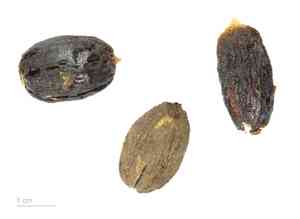
A spiny bush recognized for its ability to withstand dry conditions, desert date flourishes in parched surroundings. Trim desert date during late winter, prior to spring development, by eliminating deceased or compromised limbs to foster vigor and output. Reduce crowded sections to boost air movement. Restrict trimming to no more than one-third of the plant each season to prevent strain. Trimming boosts fruit production and simplifies gathering, all while preserving a controllable dimension and form.
Advantages of Trimming Desert Date
Advantages of Trimming Desert Date
Trimming desert date promotes a more abundant yield and robust development. It aids in maintaining its desired form, enhancing plant structure and vitality, while potentially lowering disease susceptibility.
Optimal Time for Trimming Desert Date
Optimal Time for Trimming Desert Date
Late winter is considered the best period for trimming desert date due to several factors related to the plant's growth cycle and seasonal considerations. During late winter, desert date is typically in a dormant state, meaning its growth processes are at a minimum. This dormancy period is advantageous for trimming as it minimizes stress on the plant and the risk of disease transmission through trimming cuts. Trimming at this time prepares desert date for the vigorous growth that occurs in spring, as the removal of old or dead wood encourages new growth and improves air circulation within the canopy. Additionally, since desert date has not yet begun its flowering or fruiting cycle, trimming will not adversely affect these processes. Late winter trimming also allows wounds to heal before the onset of warmer weather, which can invite pests and pathogens. By adhering to this timing, gardeners promote the health, aesthetics, and productivity of desert date.
Tools Required for Trimming Desert Date
Bypass Pruners
Perfect for making precise cuts on young or soft growth up to about 1/2 inch in diameter. This tool will help to ensure clean cuts that heal quickly on desert date, without crushing the plant tissue.
Loppers
These are essential for cutting through branches that are up to 1 1/2 to 2 inches in diameter. Loppers will provide the leverage needed to trim thicker branches of desert date without exerting excessive force.
Pruning Saw
When dealing with desert date branches thicker than 2 inches, a pruning saw is necessary. This tool allows for cutting larger limbs that loppers cannot handle, and it will enable precise control over where the cut is made.
Pole Pruner
Desert date can reach substantial heights and for the upper branches that are out of reach, a pole pruner allows one to safely trim without the use of a ladder.
How to Trim Desert Date
Identify
Examine desert date closely to identify all dead and diseased branches, which are typically dry, brittle, and lack green, healthy growth. Look for signs of disease such as discoloration or abnormal growth patterns.
Sanitize
Before cutting, sanitize trimming tools with a solution of 1 part bleach to 9 parts water to prevent the spread of diseases. Dry the tools to avoid rusting.
Cut
Use sharp trimming shears or a saw, depending on the branch thickness, to remove dead branches from desert date by making clean cuts at a 45-degree angle, just above a healthy bud or another branching point. This allows for proper healing and encourages new growth.
Remove diseased
For diseased branches, cut well below the affected area, ensuring you remove the entire diseased portion to prevent further infection. Be careful to not damage healthy parts of desert date in the process.
Dispose
Dispose of all removed dead and diseased material away from desert date to reduce the risk of reinfection. Do not compost diseased plant matter as the pathogens can persist.
Common Trimming Errors with Desert Date
Over trimming
Removing too much foliage or too many branches at once can stress desert date, potentially stunting its growth or leading to its decline.
Improper cut location
Cutting too close to the main stem or remaining foliage can damage desert date's future growth points and invite disease.
Using dull tools
Dull trimming tools can cause jagged cuts that are more vulnerable to pests and diseases, rather than clean cuts that heal quickly.
Trimming without plan
Random or unplanned cuts can result in uneven growth and a lack of shape, affecting desert date's overall health and appearance.
Neglecting tool hygiene
Not sterilizing trimming tools between uses can spread diseases from infected plants to healthy ones, including desert date.
Ignoring diseased limbs
Failing to remove dead or diseased limbs can compromise desert date's health and spread the disease to other parts of the plant.
Common Trimming Advice for Desert Date
Selective trimming
Focus on thinning out crowded areas to improve air circulation and sunlight penetration, which can enhance desert date's health and growth.
Clean cuts
Make sure to use sharp, sterilized trimming tools to create clean cuts that minimize damage and support quick healing for desert date.
Angle of cuts
Cut branches at a slight angle away from the bud or branch to prevent water accumulation, which can lead to rot and disease.
Assessment before trimming
Evaluate the overall shape and health of desert date before starting, and plan which branches to trim to achieve the desired result without over-trimming.
Protective growth
Preserve the collar of the branch (where the branch meets the stem) during trimming, as it is essential for desert date's healthy growth and wound healing.
Post trimming care
After trimming, ensure to provide desert date with appropriate care, including water and possibly light fertilization, to support recovery and regrowth.



