How to Propagate Desert date?
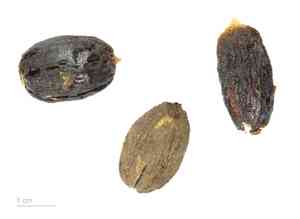
Desert date can be successfully multiplied through the use of stem sections. Select robust, established stems for these sections to enhance the likelihood of success. After severing, apply a rooting stimulant to the severed ends to encourage root formation, then embed them in a porous soil blend to avert decay. Steady humidity and warmth are vital, yet refrain from overwatering, as this can lead to the deterioration of the cuttings. Periodically inspect for the emergence of roots, signaling their preparedness for relocation.
When Is the Best Time to Propagate Desert Date?
Propagation Method
Cutting
Propagation Period
Autumn,Winter
What Tools Are Used for Desert Date Propagation?
Sharp pruning shears
These are crucial for making clean cuts on desert date branches or stems when preparing cuttings. A precise, clean cut helps prevent tissue damage, reducing infection risk and improving rooting success.
Rooting hormone
This chemical compound promotes root growth on desert date cuttings. Applying rooting hormone to the cutting's base significantly boosts the likelihood of successful root initiation and establishment, vital for developing healthy new plants.
Sterile potting mix
A well-draining, sterile potting mix offers an ideal environment for desert date cuttings to root. It minimizes the risk of soil-borne diseases affecting young cuttings and ensures proper air and water balance for root development.
Humidity dome or plastic cover
Maintaining high humidity around desert date cuttings is essential during early root development. A humidity dome or clear plastic cover helps retain air moisture, preventing cuttings from drying out before roots establish.
Heat mat
For optimal root growth, the temperature around the base of desert date cuttings should be slightly elevated. A heat mat can maintain consistent, appropriate bottom heat, stimulating root growth in cooler environments.
How to Propagate Desert Date?
Propagation Difficulty
Moderately Difficult
How to Care for Your Newly Propagated Desert Date?
How to Care for Your Newly Propagated Desert Date?
After propagation, gradually introduce the newly propagated desert date to less humid conditions by progressively removing the plastic cover over a week. Maintain consistent moisture, ensuring the soil remains slightly damp and well-drained. Desert date thrives in full sun, so slowly increase sun exposure. Protect young plants from extreme temperatures. As the plant matures, reduce watering frequency, allowing the soil to dry slightly between waterings.
Common Mistakes to Avoid When Propagating Desert Date
Overwatering
Overwatering desert date can cause root rot due to its drought tolerance. Excessive moisture around the roots, especially in poorly draining soils, compromises plant health and hinders successful propagation.
Using Incorrect Soil Medium
Desert date thrives best in sandy or well-drained soils. Using dense, clay-rich, or water-retentive soils can impede root development and lead to waterlogging, which is harmful to the plant's overall health.
Neglecting Seed Treatment
Failing to properly treat desert date seeds before planting can result in low germination rates. Untreated seeds may also be more prone to diseases or fail to sprout entirely.
Tips For Propagating Desert Date
Appropriate Watering
Ensure moderate watering for desert date, specifically allowing the soil to dry out between waterings. This mimics the plant's natural arid environment and supports healthier root development.
Using Sandy Soil
Propagate desert date in sandy or well-drained soil to improve aeration and prevent water retention around the roots. This soil type supports the desert date's natural growth environment and promotes healthier plant development.
Seed Scarification
Since desert date has tough seed coats, performing scarification â manually nicking or sanding the seed coat â can significantly improve water absorption and germination rates. This preparatory step is crucial for successful seed propagation.



