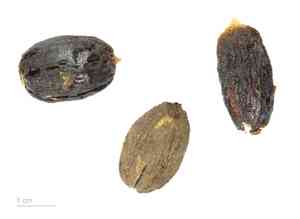
Desert date (Balanites aegyptiaca)
Also known as: Egyptian balsam, Soap berry bush
The desert date (Balanites aegyptiaca) is a significant shrub in Africa, known for its ability to thrive in a wide range of environments, from arid regions to flood-prone areas, and even in poor soils. It yields edible fruit and its wood is utilized for making furniture, tools, and fuel. Additionally, its sticky gum serves as an efficient adhesive, highlighting its multipurpose nature.
In This Article
Attributes of Desert date
Lifespan
Perennial
Plant Type
Tree
Plant Height
10 m
Spread
4 m
Leaf Color
Green Gray Silver
Flower Size
8 mm to 1.4 cm
Flower Color
Yellow Green Purple
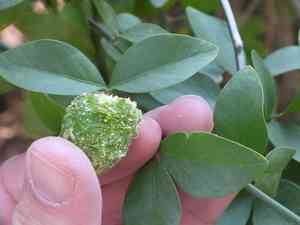
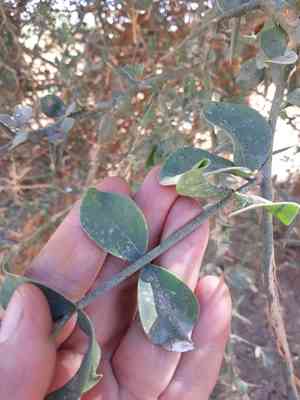
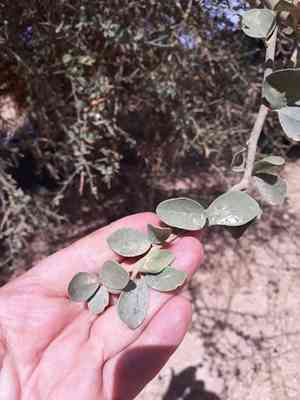
Images of Desert date
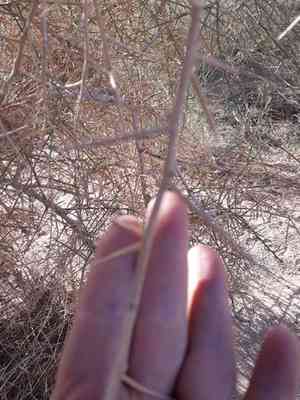
Quickly Identify Desert date
1
Identify Balanites aegyptiaca by its spiny branches, pinnate leaves with 2-6 pairs of leaflets, greenish-yellow flowers, and oval-shaped fruits that turn yellow when mature.
Scientific Classification of Desert date
Phylum
Vascular plants
Class
Dicotyledons
Order
Zygophyllales
Family
Creosote-bush
Genus
Balanites
Species
Desert date
Planting and Growing of Desert date
Care Difficulty
Easy
Watering Schedule
Every 2 days
Sunlight Requirements
Full sun
Sunshine Duration
4-6 hours
Ideal Temperature
77-95℉
Soil Type
Potting Mix, Peat Mix
Soil pH
6.5-7.5
Fertilizer Type
Balanced
Pruning Season
Spring, Summer
Pruning Area
Branches, Leaves
Pruning Frequency
2 times a year
Repotting Season
Spring
Pot Type
Plastic, Ceramic
 How to Water Desert date?
The watering amount for Balanites aegyptiaca should mimic its natural habitat conditions, which are arid and dry. It's crucial to provide approximately 500 milliliters of water per session. Water until the soil is evenly moist but not waterlogged, as this plant is drought-tolerant.
What are the symptoms of an underwatered Desert date?
›
What should I do if my Desert date is not getting enough water?
›
What are the symptoms of an overwatered Desert date?
›
How to save an overwatered Desert date?
›
 What Are the Sunlight Requirements for Desert date?
Balanites aegyptiaca thrives in full sunlight conditions. Adequate light exposure bolsters photosynthetic activity, leading to vigorous growth, healthy foliage, and abundant fruiting, mimicking its native sunny habitats.
More About Sunlight Requirements Techniques→
What is the best light exposure for Balanites aegyptiaca?
›
How can I ensure this plant receives adequate sunlight indoors?
›
What benefits does full sunlight provide to this plant?
›
 What Is the Ideal Temperature Range for Desert date?
The ideal temperature range for growing Balanites aegyptiaca is between 77°F to 95°F. These temperatures ensure optimal photosynthesis and metabolic activities, promoting healthy growth and development, especially in subtropical and tropical climates.
 What Soil is Best for Desert date?
Balanites aegyptiaca thrives in well-draining soil. This prevents waterlogging and root rot, crucial for the plant's health. Ensuring water can flow freely not only supports root development but also enhances nutrient uptake, leading to a robust growth. These plants prefer soils laden with essential nutrients. Such substrates supply the necessary macro and micronutrients that Balanites aegyptiaca needs for vigorous growth, aiding in the development of a sturdy structure and lush foliage. While well-draining, maintaining a balance with moisture retention is vital. This equilibrium ensures that the plant receives adequate hydration without the roots sitting in water, fostering a healthy and resilient plant structure.
 How to Fertilize Desert date?
For Balanites aegyptiaca, applying about 50 grams of balanced fertilizer per application is adequate. Over-fertilization can damage the plant, so it's crucial to measure accurately and apply at recommended intervals.
 How to Prune Desert date?
Begin by inspecting the tree for any visibly dead or damaged branches. Make clean cuts with sharp pruning shears to prevent tearing the bark and creating wounds that could invite disease. Remove crossing branches that can rub against each other, and trim for balance to give the tree a more symmetrical appearance. It's also beneficial to thin the canopy slightly to improve air circulation and light penetration. When the tree is young, formative pruning helps to establish a clear central leader and strong branch structure. Focus on training the tree to a desired shape while it is still growing. This process involves removing weak, competing branches and those that do not fit the desired framework, ultimately giving the tree a stable and attractive form to support its fruits.
More About Pruning Techniques→
 How to Propagate Desert date plant?
1
Collect seeds from a mature Balanites aegyptiaca fruit. Clean them thoroughly to remove any pulp and soak them in warm water for 24 hours to enhance germination.
2
Fill seed trays with a well-draining soil mix. Sow the seeds about 1 cm deep and cover lightly. Keep the soil evenly moist but not waterlogged.
3
Select healthy branches from the parent plant. Cut 10-15 cm long sections just below the leaf node. Remove lower leaves and dip the cut end in rooting hormone before planting.
 How to Repot Desert date plant?
1
Repot Balanites aegyptiaca when you notice stunted growth, roots appear through drainage holes, or the soil doesn't retain moisture for long. These are signs that the plant has outgrown its current pot, typically noted in spring or early summer.
2
Select a pot 1-2 inches larger in diameter than the current one, ideally made of clay or terracotta. These materials provide good aeration and drainage, which helps prevent root rot and supports the robust root system of Balanites aegyptiaca.
3
Opt for a well-draining sandy loam mixture. This ensures that excess water doesn't linger around the roots, replicating the plant's native arid environments, thus promoting healthy growth and minimizing the risk of root diseases.
Toxicity
Ingestion
WARNING
The judgment on toxicity and danger is for reference only. We DO NOT GUARANTEE any accuracy of such judgment. Therefore, you SHALL NOT rely on such judgment. It is IMPORTANT TO SEEK PROFESSIONAL ADVICE in advance when necessary.
Learn More About Desert date Diseases
Anthracnose
Bacterial Leaf Spot
Bacterial Soft Rot
Bacterial Wilt
Black Spot
Chemical Injury
Crown Gall
Cyst Nematode
Damping-off
Drought Stress
Fusarium Wilt
Gray Mold
Leaf Curl
Leaf Spot
Mosaic
Nutrient Deficiency
Nutrient Toxicity
Powdery Mildew
Root Rot
Root-knot Nematode
Rusts
Sooty Mold
Spider Mites
Temperature Stress
Thrips Damage
White Mold



