How to Transplant Laxflower?
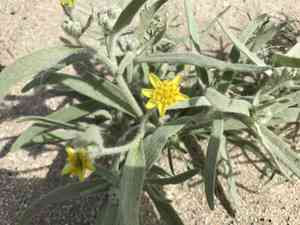
Laxflower flourishes when relocated during the mild weather of early to mid-spring, thereby circumventing the strain of harsh temperatures. Select a bright, adequately draining location to facilitate peak development. Exercise caution during transplantation to preserve root health for superior outcomes.
Essential Preparations Before Relocating Laxflower
Optimal Period for Laxflower Relocation?
Laxflower greatly benefits from being moved in the early to mid-spring. This season offers ideal soil warmth and moisture levels, promoting superior root development. Furthermore, transplanting during this timeframe allows laxflower to fully utilize the entire growth cycle, encouraging vigorous development and blooming. Lastly, it reduces plant stress, ensuring a stronger beginning.
Recommended Spacing Between Laxflower Plants?
Ensure laxflower are spaced approximately 12-18 inches (30-45 cm) apart. This provides ample room for growth without overcrowding, leading to healthy plants and abundant flowers.
Best Soil Mixture for Laxflower Relocation?
Prepare soil that drains well for laxflower. A sandy or loamy mixture with good drainage is perfect. Incorporating a balanced base fertilizer, such as a 10-10-10, will help supply necessary nutrients.
Ideal New Location for Your Laxflower?
Laxflower thrives in sunlight! Select a bright spot in your garden where they can receive full sun for at least 6-8 hours daily. This will aid their flourishing and the production of vibrant blooms.
Tools Required for Laxflower Transplantation
Gardening Gloves
To safeguard your hands while handling soil and plants.
Hand Trowel
For excavating small holes and carefully removing plants from containers or seedling trays.
Spade or Shovel
To dig a trench when extracting the plant from the ground and to prepare the new planting hole.
Watering Can or Hose
For hydrating the plant before and after its relocation.
Garden Fork
To aerate the soil around the plant and in the new planting area.
Organic Mulch
To help retain moisture and protect the plant post-transplantation.
Stake and Ties (if necessary)
For providing support to the plant if it is tall or top-heavy.
Method for Extracting Laxflower from its Current Location?
Method for Extracting Laxflower from its Current Location?
From Ground: First, moisten the soil around laxflower by watering. Then, using a shovel or spade, dig a wide trench around the plant, ensuring the root ball remains intact. Carefully work the spade beneath the root ball to lift the plant from its original spot.From Pot: Water laxflower thoroughly to make the soil more manageable. Gently tilt the pot sideways and tap the rim to loosen the soil. Carefully slide the root ball out while supporting the plant.From Seedling Tray: Water laxflower generously before removal. Gently push up from the bottom of the cell to prevent root damage. Handle seedlings by their leaves, not their delicate stems.
Detailed Guide for Transplanting Laxflower
Site Preparation
Prepare the new planting site by loosening the soil and digging a hole twice the width of laxflower's root ball. Ensure the depth matches the original planting depth.
Plant Removal
Carefully extract laxflower from its initial location, keeping the root ball as intact as possible.
Planting
Position laxflower into the hole, making sure the top of the root ball is level with the surrounding soil. Backfill around the root ball with soil, gently firming to eliminate air pockets.
Watering
Thoroughly water laxflower immediately after planting to settle the soil around its roots.
Mulching
Apply a layer of organic mulch around the base of laxflower to help retain moisture and stabilize soil temperature.
Post-Transplant Care for Laxflower
Watering
Maintain consistent moisture in the soil around laxflower, avoiding sogginess, for the initial weeks after transplanting to aid in strong root establishment.
Monitoring
Observe for any indications of transplant shock, such as wilting or yellowing foliage, and adjust care as needed.
Supporting
If laxflower is tall or top-heavy, use stakes and ties to support the plant until it becomes well-established.
Weeding
Regularly remove any competing weeds that might deprive laxflower of nutrients and water.
Resolving Common Issues with Laxflower Transplantation.
When is the optimal time to transplant laxflower?
The best times are early spring, mid-spring, and late fall for relocating laxflower.
What is the ideal spacing for laxflower?
Plant laxflower with 12 to 18 inches (30-45 cm) between each plant for optimal growth.
How should I prepare the soil for transplanting laxflower?
Ensure well-draining soil enriched with compost for better root establishment of laxflower.
How deep should I plant laxflower seedlings?
Plant laxflower seedlings at the same depth they were growing in their original container.
How can I protect laxflower from transplant shock?
Water thoroughly before and after transplanting laxflower to minimize transplant shock.
What should I do if laxflower wilts after transplanting?
Keep soil consistently moist but not waterlogged, and provide partial shade if wilting occurs.
How do I handle laxflower's roots during transplanting?
Gently untangle and set the roots in the hole to avoid damaging laxflower's delicate roots.
When can I fertilize laxflower after transplanting?
Wait at least a few weeks post-transplant before applying a balanced fertilizer to laxflower.
How much sunlight does laxflower need post-transplant?
Ensure laxflower receives full sun, about 6-8 hours daily, after transplanting.
Should I prune laxflower after transplanting?
Lightly prune any damaged or excessively leggy stems of laxflower post-transplant for better growth.



