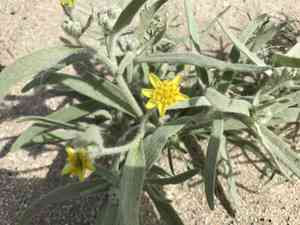
Laxflower (Baileya pauciradiata)
Also known as: Tansy Mustard, Woolly Desert Marigold
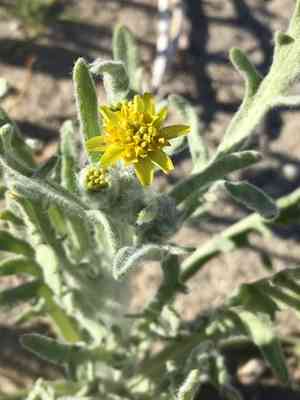
Baileya pauciradiata, also known as desert marigold, is an herbaceous plant that can be either annual or perennial. The plant features a woolly, gray-green stem that branches and grows to a height of 10 to 50 centimeters. The leaves are linear to lance-shaped, ranging from 4 to 14 centimeters in length. The basal leaves tend to wither as the plant matures, while the leaves along the stem stay intact during flowering. The plant typically produces 2 to 3 flower heads in its inflorescence.
In This Article
Attributes of Laxflower
Lifespan
Annual
Plant Type
Herb
Plant Height
30-60 cm
Spread
15-30 cm
Leaf Color
Greyish-green
Flower Size
2-3 cm
Flower Color
Bright yellow
Images of Laxflower
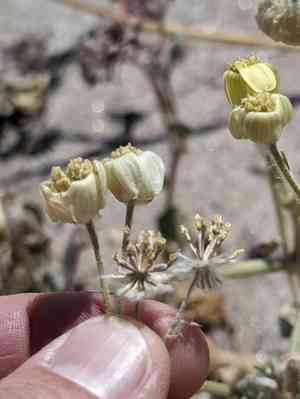
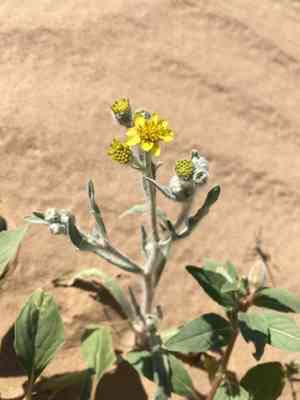
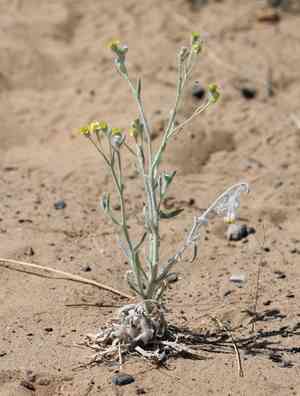
Quickly Identify Laxflower
1
Identified by its woolly texture and bright yellow flowers, which are typically seen in clusters. Leaves are small, greyish-green, and covered with fine hairs.
Scientific Classification of Laxflower
Phylum
Vascular plants
Class
Dicotyledons
Order
Asterales
Family
Daisy
Genus
Desert marigold
Species
Laxflower
Planting and Growing of Laxflower
Care Difficulty
Moderate
Watering Schedule
Every 2 days
Sunlight Requirements
Full sun
Sunshine Duration
4-8 hours
Ideal Temperature
60-80℉
Soil Type
Potting Mix, Peat Mix
Soil pH
6.5-7.5
Fertilizer Type
Balanced
Pruning Season
Spring, Summer
Pruning Area
Branches, Leaves
Pruning Frequency
2 times a year
Repotting Season
Spring
Pot Type
Plastic, Ceramic
 How to Water Laxflower?
Baileya pauciradiata needs its soil to be moderately moist but not saturated. This means that about 250 ml of water applied evenly around the base is ideal. Check that the top layer of soil feels slightly damp. It’s important not to overwater as this plant thrives in well-draining conditions.
What are the symptoms of an underwatered Laxflower?
›
What should I do if my Laxflower is not getting enough water?
›
What are the symptoms of an overwatered Laxflower?
›
How to save an overwatered Laxflower?
›
 What Are the Sunlight Requirements for Laxflower?
Baileya pauciradiata flourishes under full sun exposure. This consistent light availability ensures strong, healthy growth, enhancing its striking silver foliage and bright yellow flowers characteristic of desert flora.
How much sun does Baileya pauciradiata need?
›
How can you guarantee optimal light for Baileya pauciradiata?
›
What are the benefits of sufficient sunlight on Baileya pauciradiata?
›
 What Is the Ideal Temperature Range for Laxflower?
Maintaining the ideal temperature range between 60°F and 80°F ensures that Baileya pauciradiata can thrive and grow optimally. This range supports essential physiological processes, including photosynthesis and nutrient absorption. Keeping temperatures in this range can promote healthy growth, vibrant flower production, and an overall increased resistance to diseases and pests.
 What Soil is Best for Laxflower?
Baileya pauciradiata thrives best in well-draining soil. This is crucial to prevent root rot, as the plant holds excess moisture in its roots. By ensuring proper drainage, you are providing conditions that favor its robust growth and flowering. The plant benefits greatly from nutrient-rich soil. A good mix of loam provides essential nutrients that support its growth cycles. Offering a rich medium can result in lush foliage and a healthy blooming season. Aerated soil is essential for optimal root development of Baileya pauciradiata. Well-aerated ground ensures roots get adequate oxygen, crucial for healthy growth. This prevents compaction and facilitates easy nutrient uptake.
 How to Fertilize Laxflower?
For Baileya pauciradiata, it is crucial to provide a balanced amount of fertilizer to ensure healthy growth. When using liquid fertilizer, mix it at half the recommended strength to avoid any potential nutrient burn. Typically, 1-2 tablespoons of a balanced 10-10-10 liquid fertilizer per gallon of water is adequate. For slow-release fertilizers, distribute approximately 2-3 tablespoons around the base of the plant, being cautious not to let the granules contact the plant stems directly.
 How to Prune Laxflower?
Use clean, sharp pruning shears for best results. Disinfect them before use to prevent the spread of diseases. Choose tools that are comfortable to handle and appropriate for the size of the stems you're cutting. Look for any parts of the plant that are brown, wilted, or show signs of disease. Removing these parts prevents the spread of potential diseases and supports the overall health of the plant. Cut back any branches that are crossing over each other to improve airflow within the plant. Shape the plant by trimming branches to maintain a balanced and aesthetically pleasing form.
More About Pruning Techniques→
 How to Propagate Laxflower plant?
1
Before propagation, ensure the soil is well-draining and nutrient-rich. This lays a good foundation for seed germination or cutting development.
2
Evenly spread the seeds across the prepared soil in seed trays, then lightly cover with a thin layer of soil or vermiculite to retain moisture.
3
Select a healthy plant stem, cut a section about 4 inches long, and remove the lower leaves before planting the cutting into pre-moistened soil.
 How to Repot Laxflower plant?
1
Repot Baileya pauciradiata when you notice root-bound symptoms like roots growing out of the drainage holes or stunted growth. It's ideal to do this in early spring or autumn when the plant is entering its active growth phase.
2
Select a pot that is 1-2 inches larger in diameter than the current one. The pot should have adequate drainage holes to prevent waterlogging, which is crucial in preventing root rot and promoting healthy root growth.
3
Opt for a well-draining sandy soil mix that mimics its natural arid environment. Proper soil choice prevents water retention, providing ideal conditions for root health and minimizing the risk of diseases.
Toxicity
None
WARNING
The judgment on toxicity and danger is for reference only. We DO NOT GUARANTEE any accuracy of such judgment. Therefore, you SHALL NOT rely on such judgment. It is IMPORTANT TO SEEK PROFESSIONAL ADVICE in advance when necessary.
Learn More About Laxflower Diseases
Anthracnose
Bacterial Leaf Spot
Bacterial Soft Rot
Bacterial Wilt
Black Spot
Chemical Injury
Crown Gall
Cyst Nematode
Damping-off
Downy Mildew
Drought Stress
Fusarium Wilt
Gray Mold
Leaf Curl
Leaf Spot
Mosaic
Nutrient Deficiency
Nutrient Toxicity
Powdery Mildew
Root Rot
Root-knot Nematode
Rusts
Sooty Mold
Spider Mites
Temperature Stress
Thrips Damage
White Mold



