How to Prune Laxflower?
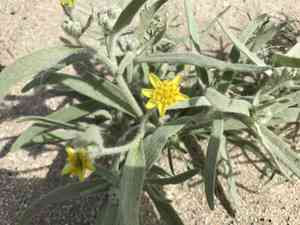
Known for its bright yellow blossoms and ability to withstand dry conditions, laxflower flourishes with consistent care. Trim in spring, summer, and autumn to sculpt, eliminate withered stalks, and stimulate flowering. Direct your cuts toward older, elongated growth to foster abundant blooms. Early spring pruning assists in managing its dimensions prior to swift development, whereas summer and fall trims can boost flowering and neaten the plant. This routine contributes to more robust foliage and elevates its general hardiness.
Advantages of Trimming Laxflower
Advantages of Trimming Laxflower
Trimming laxflower promotes robust development and aids in maintaining its form. This is crucial for a thriving, attractive plant, and to prevent it from becoming sparse or overgrown.
Optimal Period for Pruning Laxflower
Optimal Period for Pruning Laxflower
Pruning laxflower during Spring, Summer, and Fall aligns with its peak growth phases, ensuring the plant can quickly recover and reallocate its energy towards healthy development and blooming. Spring pruning helps eliminate winter damage and stimulates new growth. Summer pruning can shape the plant and manage its size while it's actively growing. Fall pruning prepares laxflower for dormancy by removing any dead or diseased parts, reducing the risk of pests and diseases over the winter. It is essential to avoid pruning in late Fall or Winter as this could weaken the plant and make it vulnerable to cold damage.
Tools Required for Pruning Laxflower
Hand pruners
Ideal for making precise cuts on small branches and stems, perfect given laxflower's relatively compact size.
Pruning shears
Useful for trimming larger stems and shaping laxflower due to their strong grip and sharp blades.
Bypass loppers
Excellent for cutting through thicker stems that hand pruners cannot manage, making them vital for maintaining laxflower's shape and health.
Pruning saw
Helpful for removing any small branches or thicker stems without damaging the surrounding areas of laxflower.
How to Prune Laxflower
Inspection
Examine the laxflower for any withered leaves that need removal. This helps in identifying all the parts that require attention.
Disinfection
Clean and disinfect pruning shears to prevent the spread of disease. Use a solution of one part bleach to nine parts water.
Cut Close
Carefully trim away the withered leaves. Make cuts close to the base of the leaf stem to ensure a clean removal and prevent potential rotting.
Disposal
Dispose of the withered leaves properly. Avoid leaving them around the plant to reduce the risk of pests and diseases.
Observation
Monitor the plant for any additional withered leaves. Regular checks help maintain the health and appearance of the laxflower.
Common Pruning Errors with Laxflower
Excessive pruning
Removing too much foliage and stems at once can stress laxflower and hinder its growth and flowering. This can lead to weakened plant structure and reduced blooms.
Incorrect tools
Using dull or inappropriate tools for pruning can damage the stems and leave jagged cuts that make laxflower prone to diseases and pests.
Pruning at the wrong node
Cutting too close to the buds or leaving too long stubs can hinder the plant's ability to produce new growth and flowers effectively. Incorrect positioning of cuts can also lead to dieback.
General Pruning Advice for Laxflower
Use sharp, clean tools
Always use sharp pruning shears or scissors that are cleaned before and after use to prevent the spread of disease.
Focus on dead or damaged growth
Start by removing any dead, damaged, or diseased stems. This clears up energy for healthy parts of laxflower and reduces the risk of infections.
Make precise cuts
Trim just above a node or bud to encourage new growth in the direction you want the plant to develop. Aim for a clean, 45-degree angle cut to minimize damage and facilitate better healing.
Thin selectively
Thin out crowded branches to improve air circulation and light penetration. This helps in reducing the risk of disease and encourages more prolific blooming.



