How to Propagate Laxflower?
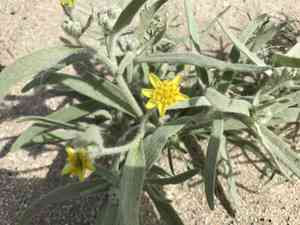
Laxflower is a robust floral specimen that flourishes in dry environments, recognized by its vibrant yellow blossoms and unique leaves. To multiply laxflower, begin by planting seeds in soil that drains effectively. It is crucial to keep the soil uniformly damp until the young plants appear. Once rooted, it needs little upkeep, making laxflower ideal for beginner horticulturists. Consulting reliable gardening references ensures precision and real-world usefulness.
Optimal Period for Laxflower Propagation
Propagation Method
Seeding
Propagation Period
Spring
Tools for Laxflower Propagation
Seed Trays
Seed trays offer a controlled setting for planting seeds. They ensure proper spacing and a uniform medium for laxflower, boosting germination rates. These trays also simplify seedling management and prevent root damage during transplanting.
Fine Soil or Seed Starting Mix
A fine soil or seed starting mix is vital for the delicate seeds of laxflower. These mixes are often sterilized and free of large particles, which aids in maintaining a healthy root environment and preventing diseases.
Spray Bottle
A spray bottle ensures gentle and even moistening of the soil, crucial for not disturbing laxflower seeds. Consistent moisture without over-saturation is key to successful germination.
Heating Mat
Heating mats provide warmth from below to enhance the germination rate and speed of laxflower. This tool is especially useful in colder climates or when ambient temperatures are insufficient for seedling growth.
Humidity Dome
Humidity domes maintain a moist and warm environment, mimicking greenhouse conditions. This is particularly beneficial for laxflower as it ensures consistent humidity levels, which are crucial for germination and early growth stages.
Small Hand Hoe or Fork
A small hand hoe or fork is perfect for loosening soil and creating shallow furrows for sowing seeds. This helps maintain proper depth and ensures good seed-to-soil contact, essential for laxflower germination.
Plant Labels
Labeling helps track different seedlings and their planting dates. This is important for monitoring laxflower growth stages and managing various propagation batches effectively.
Grow Lights
If natural light is inadequate, grow lights can provide the necessary spectrum and intensity for optimal laxflower seedling development. Proper light ensures strong, healthy seedlings ready for transplantation.
Laxflower Propagation Guide
Propagation Difficulty
Simple
Caring for Newly Propagated Laxflower
Caring for Newly Propagated Laxflower
Post-transplant, ensure laxflower receives ample sunlight and is situated in well-draining soil. Water the plant moderately, allowing the soil to dry between waterings, as laxflower tolerates drought. Apply a balanced, slow-release fertilizer sparingly during the growing season to support robust growth. Regularly inspect for pests and diseases, and prune as needed to maintain shape and encourage flowering.
Common Errors to Avoid When Propagating Laxflower
Overwatering
This can lead to root rot, as laxflower prefers well-drained soil and is quite drought-tolerant.
Improper soil type
Using soil with poor drainage can cause root diseases. Laxflower thrives in sandy or gravelly soils.
Neglecting sunlight requirements
Insufficient sunlight can hinder the growth of healthy shoots. Laxflower requires full sun to grow robustly.
Using infected cuttings or seeds
Propagating from unhealthy material can spread diseases or pests, affecting overall plant health.
Incorrect planting depth
Planting seeds or cuttings too deep can prevent them from sprouting successfully. Laxflower seeds should be sown at or just below the surface.
Laxflower Propagation Advice
Ensure proper drainage
Utilize well-drained soil to prevent waterlogging and root rot.
Full sun exposure
Laxflower needs at least six hours of direct sunlight daily for optimal growth.
Clean propagation materials
Use disease-free seeds or cuttings and sterilize tools to prevent infections.
Surface sowing
Scatter seeds on the soil surface or cover lightly to facilitate proper germination.
Consistent but minimal watering
Water sparingly but consistently during the early growth stages to encourage root development.



