How to Transplant Carambola?
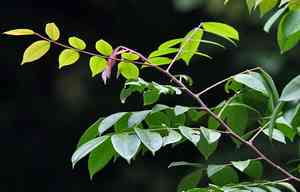
Relocate carambola during the peak of mid-to-late spring or early summer, leveraging the stable growing environment of these periods. Select locations that receive ample sunlight and drain effectively, and if required, amend the earth to provide carambola with a strong beginning.
What Preparations are Needed Before Transplanting Carambola?
What is the Ideal Time for Transplanting Carambola?
The best time to move carambola is in late spring or early summer. During this period, mild temperatures and stable weather conditions create an optimal environment for root establishment. Relocating carambola then ensures the plant roots well before the intense heat of late summer, improving access to nutrients and water. Choosing this season promotes a strong growth cycle, giving carambola a good start in its new spot with a full growing season ahead. By transplanting at this opportune moment, you set carambola up for success, leveraging the moderate climate for vigorous development.
How Much Space Should You Leave Between Carambola Plants?
When planning to transplant your carambola, ensure ample room for growth. You should space your plants 20-25 feet (6-7.6 meters) apart. This provides sufficient sunlight and air circulation, which are crucial for healthy development.
What is the Best Soil Mix for Carambola Transplanting?
For carambola, select a well-draining, sandy loam soil. Incorporate a slow-release citrus fertilizer to supply essential nutrients. Always adhere to the fertilizer packaging instructions for proper application rates.
Where Should You Relocate Your Carambola?
Choose a location with full to partial sunlight for your carambola. It requires at least 4-6 hours of direct sunlight daily. Avoid shaded areas, as insufficient light can lead to reduced growth and fruit production.
What Equipments Should You Prepare Before Transplantation Carambola?
Gardening Gloves
To safeguard your hands while handling soil and carambola.
Spade or Shovel
Useful for excavating a hole at the new site and gently extracting the carambola from its original position.
Garden Trowel
To assist with precise digging around the plant.
Watering Can or Garden Hose
To moisten the soil before and after transplanting.
Wheelbarrow
Used to transport the carambola if it is large or heavy.
Pruning Shears
To remove any dead or diseased parts of the plant if necessary.
Organic Mulch
To help reduce water loss and suppress weeds around the plant after transplanting.
How Do You Remove Carambola from the Soil?
How Do You Remove Carambola from the Soil?
From Ground: Start by watering the ground around the carambola to dampen the soil. Use a shovel or spade to dig a wide trench, ensuring the root ball remains undisturbed. Carefully lift the plant from its original spot using the spade beneath the root ball.From Pot: First, water the carambola in the pot to facilitate removal. Tilt the pot sideways and tap it gently. If the plant is difficult to remove, slide a knife around the pot's edge to loosen the soil. Gently ease out the plant by holding the stem at its base, being careful not to tug or pull.From Seedling Tray: Water the carambola tray thoroughly. Tilt it slightly and push up from the bottom of the cell to lift the plantlet. Handle the seedling by its leaves, not the stem, to prevent damage to the young plant.
Step-by-Step Guide for Transplanting Carambola
Digging
Use your shovel or spade to dig a hole twice as wide and slightly deeper than the carambola root ball at the new location. The larger hole provides space for the roots to settle.
Placement
Position the carambola in the hole, ensuring the top of the root ball is level with the soil surface. If needed, add some soil back into the hole to achieve this level.
Backfilling
Refill the hole with soil, pressing it down around the carambola firmly but gently to eliminate air pockets.
Watering
Water the carambola thoroughly; the surrounding soil should be moist but not waterlogged.
Mulching
Spread a layer of organic mulch around the plant, but not touching the stem, to help retain moisture and prevent weeds.
How Do You Care For Carambola After Transplanting?
Watering
For the first few weeks after transplanting, keep the soil around the carambola consistently moist but not saturated. A deep watering every few days is more effective than light daily watering, as it encourages deeper root growth.
Pruning
Remove any dead or diseased leaves after transplant to reduce plant stress.
Checking
Regularly observe for signs of transplant shock, such as wilting or yellowing leaves. If these appear, consult a nursery or experienced gardener for advice.
Fruiting
Prevent the tree from producing fruits in its first year. Pinch off flower buds; this promotes plant growth, leading to a stronger yield in subsequent years.
Protection
Carambolas can be susceptible to pests. Regularly check for insects and use a gentle, organic insecticide if necessary.
Troubleshooting Common Issues with Carambola Transplantation.
When's the best time in the year to transplant carambola?
The ideal period to move carambola is between early summer (S2) and late autumn (S4). This timeframe offers optimal conditions for growth.
What should the correct distance between carambola plants be?
Remember, carambola requires significant space to grow. Maintain a distance of approximately 20-25 feet (6-7.6 meters) between each plant.
What is the best soil condition for transplanting carambola?
Carambola thrives in well-draining, sandy loam soil. Ensure the pH is slightly acidic to neutral, between 5.5 and 6.5.
Do I need to prepare the new location before transplanting carambola?
Absolutely! Clear the area of weeds and other potential competitors. Add organic amendments (like compost) if the soil's fertility is low.
Any specific depth I should follow while transplanting carambola?
Plant carambola so that the top of the root ball rests at or just below ground level. Planting too deeply can suffocate the plant.
Should I water carambola immediately after transplanting?
Yes, but avoid saturating the soil. Water enough to settle the soil around the root system. Check for puddling; if present, stop watering and allow it to drain.
What's the ideal temperature for carambola after transplanting?
Carambola flourishes in a temperate climate. After transplanting, aim to maintain an environment between 60-85°F (15-29°C).
How soon can I fertilize carambola after the transplantation?
It's best to wait about 2-3 weeks after transplanting carambola before the initial fertilization. This allows the roots time to settle and reduces potential shock.
My transplanted carambola shows signs of wilting, what could be wrong?
Wilting could indicate transplant shock. This usually resolves on its own. However, if persistent, it might mean too much or too little water, or the plant is planted too deeply.
Can carambola transplant be done during a very sunny day?
Transplanting carambola under intense sunlight can increase the risk of transplant shock. It's preferable to transplant on a cooler, cloudy day or late in the afternoon.



