How to Transplant Wavy hair-grass?
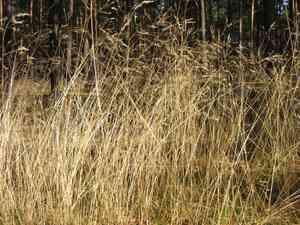
For wavy hair-grass, the period of rejuvenation and development, usually spring, presents the ideal opportunity for relocation, allowing roots to settle before summer. Select a shaded location with damp, adequately draining earth to replicate wavy hair-grass's inherent forest environment.
What Preparations are Needed Before Transplanting Wavy Hair-grass?
What is the Ideal Time for Transplanting Wavy Hair-grass?
The optimal time for relocating wavy hair-grass is during its spring awakening. Moving wavy hair-grass in early to mid-spring allows it to settle in mild temperatures, promoting strong development. This timing aligns with the plant's natural growth cycle and leverages the moist, warming soil, ensuring a smooth transition and thriving growth for wavy hair-grass.
How Much Space Should You Leave Between Wavy Hair-grass Plants?
Prior to transplanting wavy hair-grass, ensure adequate spacing for each plant's growth. Ideally, this should be about 1-2 feet (or roughly 30-60 cm). It's wise to measure this distance before you begin digging!
What is the Best Soil Mix for Wavy Hair-grass Transplanting?
Wavy hair-grass requires soil that drains well yet retains moisture; consider a blend of organic material and loamy soil. For a base fertilizer, choose one high in nitrogen. Incorporating compost into your soil also helps boost its nutrient content.
Where Should You Relocate Your Wavy Hair-grass?
Select a location for wavy hair-grass that receives full sun to partial shade. It's not overly particular about light, but a balance of both is perfect. Look for areas where it can get morning or late afternoon sunlight.
What Equipments Should You Prepare Before Transplantation Wavy Hair-grass?
Gardening Gloves
To safeguard hands while working with loose earth and handling the plant.
Spade or Shovel
For digging around the plant when removing it from its original spot and excavating a hole in the new location.
Gardening Pruning Shears
Useful for trimming the wavy hair-grass plant before transplanting to encourage fresh growth.
Gardening Trowel
Helps to carefully scoop the plant from its container or seedling tray.
Garden Rake
To even out your soil in the new planting area.
Watering Can
To hydrate the plant immediately after transplantation.
Mulch
To maintain moisture and suppress weeds around the newly transplanted area.
Garden Wheelbarrow
If the plant is large and heavy, this tool is helpful for transporting it to its new site.
How Do You Remove Wavy Hair-grass from the Soil?
How Do You Remove Wavy Hair-grass from the Soil?
From Ground: Hydrate the wavy hair-grass plant to moisten the surrounding soil. Then, excavate a wide trench around the plant using a shovel or spade, ensuring the plant's root ball stays intact. Work the spade beneath the root ball to gently lift the plant from its initial position. Aim to keep as much soil around the roots as possible to minimize 'transplant shock'.From Pot: Water the wavy hair-grass plant in its container, then carefully tip it sideways, allowing the plant to slide out. Be cautious not to pull on the stem or foliage. If the roots are densely packed in the pot, gently loosen them without causing excessive damage.From Seedling Tray: Water the tray and lift the wavy hair-grass plant from its cell by pushing up from the bottom. Avoid touching the stem and ensure the entire root ball is extracted.
Step-by-Step Guide for Transplanting Wavy Hair-grass
Preparation
Begin by preparing your transplant site. Remove any weeds or rocks and level the soil using a rake. Lightly water the ground to make it damp but not saturated.
Digging
Excavate a hole with your spade or shovel that is deep enough to accommodate the plant's roots and twice as wide.
Positioning
Place your wavy hair-grass plant into the hole. Ensure the top of the root ball is flush with or slightly below the surrounding soil to facilitate good water absorption.
Backfilling
Refill the hole with soil, gently firming it around the plant with your hands or the back of the shovel to eliminate any air pockets.
Watering
Thoroughly water the wavy hair-grass plant after transplanting to settle the soil and lessen transplant shock.
Mulching
Apply a layer of mulch around the plant's base to retain moisture and control weed growth.
How Do You Care For Wavy Hair-grass After Transplanting?
Watering
Water the wavy hair-grass deeply but infrequently in the weeks following transplantation. This will encourage roots to grow deeper in search of moisture. Prevent the soil from drying out completely or becoming waterlogged.
Pruning
Lightly trim the wavy hair-grass to stimulate new growth and maintain a desired form. Avoid extensive pruning in the first year post-transplant.
Pest and Disease Checks
Regularly inspect the wavy hair-grass for indications of pests or diseases. Early detection and treatment can ensure the plant's health and longevity.
Ground Temperature
While wavy hair-grass is adaptable, it thrives in cooler conditions for growth. Therefore, if the weather is warming up, consider providing some shade to maintain an optimal soil temperature.
Troubleshooting Common Issues with Wavy Hair-grass Transplantation.
What's the best time to transplant wavy hair-grass?
The recommended period for transplanting wavy hair-grass is from early spring to mid-summer (S1-S3).
How far apart should I space wavy hair-grass when transplanting?
For optimal growth, position each wavy hair-grass approximately 1-2 feet (30.5-61 cm) apart from one another.
Is it necessary to prune wavy hair-grass before transplanting?
Pruning is generally not required for wavy hair-grass before transplanting. However, remove any dead or unhealthy foliage.
How can I ensure wavy hair-grass has established itself after transplantation?
Consistent watering and observing new growth indicate that wavy hair-grass has successfully settled after transplantation.
Why is my transplanted wavy hair-grass not showing any new growth?
Lack of growth in wavy hair-grass could be due to environmental stress, insufficient watering, or poor soil conditions.
What should I do if the leaves of my transplanted wavy hair-grass start turning yellow?
Yellow leaves might signal overwatering, inadequate drainage, or nutrient deficiency. Reduce watering and check soil conditions.
How deep should I plant wavy hair-grass when transplanting?
Dig a hole as deep as the root ball of wavy hair-grass. The plant's crown should be at or slightly below the ground surface.
Do I need to stake wavy hair-grass after transplanting?
Wavy hair-grass typically does not require staking after transplantation, as it possesses a relatively sturdy stem that can support itself.
What type of soil does wavy hair-grass prefer when transplanting?
Wavy hair-grass thrives in well-drained soil rich in organic matter. Ensure the pH is slightly acidic to neutral for optimal growth.
How much water does wavy hair-grass need after transplanting?
After transplantation, maintain consistent moisture for wavy hair-grass but avoid overwatering. Water when the top inch (2.5 cm) of soil feels dry.



