How to Propagate Wavy hair-grass?
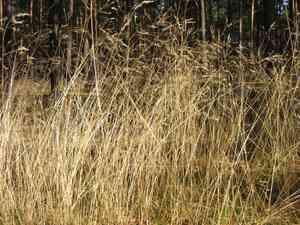
Deschampsia flexuosa flourishes in adequately drained, acidic ground and dappled light, rendering it ideal for woodlands and shaded horticultural spaces. Reproduction is most effectively accomplished via division, a pragmatic technique for guaranteeing robust development. Gently divide established specimens during the colder periods to prevent strain, and promptly re-plant the sections to preserve soil hydration. This technique aids in sustaining the vitality and strength of the flora. Consistent irrigation after relocation guarantees successful integration into the fresh environment.
Optimal Period for Wavy Hair-grass Propagation
Propagation Method
Division
Propagation Period
Spring,Autumn
Tools for Wavy Hair-grass Propagation
Garden Fork
A robust garden fork is crucial for dividing wavy hair-grass. It aids in gently lifting grass clumps without causing excessive damage to the root system. Its design allows for easy soil penetration, facilitating the separation of wavy hair-grass root ball sections with minimal disturbance to nearby plants.
Sharp Knife or Pruning Shears
A sharp knife or pruning shears are used to make clean cuts through the dense root mass of wavy hair-grass. This ensures each division has ample roots and shoots, vital for successful propagation and the health of new plants. Sharp tools minimize tissue damage, preventing disease and stress in wavy hair-grass.
Watering Can with a Fine Rose
Post-division, maintaining adequate moisture for wavy hair-grass is essential for its recovery and establishment. A watering can with a fine rose attachment provides a gentle water flow, hydrating without disturbing newly planted divisions or washing away soil. This significantly aids the initial growth phase after propagation.
Rooting Hormone Powder
While not always necessary, rooting hormone powder can boost root development in wavy hair-grass divisions. This product stimulates root growth in new sections, helping them establish more quickly and effectively in their new locations. It's especially beneficial during unfavorable growing conditions or when divisions appear less vigorous.
Label and Marker
Properly labeling each new plant with a waterproof label and marker is important for tracking wavy hair-grass's growth and development. This helps monitor the success rate of propagated plants and provides valuable information for future propagation efforts.
Propagating Wavy Hair-grass
Propagation Type
Easy
Caring for Newly Propagated Wavy Hair-grass
Caring for Newly Propagated Wavy Hair-grass
After propagation, adequately water the newly planted wavy hair-grass sections to encourage root establishment, but avoid overwatering, which can lead to root rot. Wavy hair-grass prefers slightly moist conditions, so maintain consistent soil moisture. Position the plant in a location that suits its light preferences. Finally, avoid excessive fertilization; a light application of a balanced fertilizer during the growing season is sufficient.
Common Errors to Avoid When Propagating Wavy Hair-grass
Overwatering
Excessive watering of wavy hair-grass during propagation can cause root rot, a condition that impedes root development and can kill young plants.
High soil density
Using a very dense soil mix can restrict root growth for wavy hair-grass, hindering proper root spread and aeration, which are crucial for its health.
Excessive sunlight
Exposing wavy hair-grass to too much direct sunlight during propagation can stress young plants, leading to leaf burn and dehydration.
Tips for Propagating Wavy Hair-grass
Soil preparation
Utilize a well-draining, loamy soil mix for wavy hair-grass, which supports healthy root growth without retaining excessive moisture.
Moisture management
Keep the soil around wavy hair-grass consistently moist but not waterlogged during the initial growth period to foster strong root development.
Partial shade
Provide wavy hair-grass with partial shade during propagation. This will protect young plants from intense sunlight, reducing stress and aiding in gradual acclimation to natural conditions.



