The Wavy hair-grass Plant Advantage: Maximizing Home and Office Appeal and Wellness
1
Wavy hair-grass aids in preventing soil loss because of its thick root network.
2
This hardy grass variety flourishes across diverse soil compositions and environments.
3
Wavy hair-grass sustains native fauna by offering crucial living spaces and sustenance.
What Are the Main Advantages of Wavy hair-grass?
Soil Erosion Prevention
A primary benefit of Wavy hair-grass is its capacity to prevent soil erosion. With its extensive and dense root structure, this plant effectively stabilizes the ground, reducing surface runoff and safeguarding the land from degradation. This characteristic is especially useful in sloped areas or regions prone to heavy rainfall, where soil loss can be a significant concern.
Adaptability to Diverse Soil Types
Wavy hair-grass exhibits remarkable flexibility regarding different soil compositions, including acidic, sandy, and nutrient-poor soils. This versatility makes it an excellent option for various gardening conditions, from rocky terrains to woodland settings. By integrating Wavy hair-grass into your landscaping plans, you can ensure a robust and resilient plant cover that thrives even in challenging environments.
How Does Wavy hair-grass Support Local Wildlife?
Providing Shelter for Insects and Small Creatures
Wavy hair-grass plays a vital role in supporting local wildlife by offering habitat and food sources for various insects and small animals. The plantâs dense foliage and seed heads provide shelter and sustenance for bees, butterflies, grasshoppers, and other beneficial insects. Additionally, small mammals and birds also benefit from the cover and food offered by Wavy hair-grass, contributing to a healthy and balanced ecosystem.
Boosting Biodiversity
Incorporating Wavy hair-grass into your garden can significantly enhance local biodiversity. By supporting a wide range of invertebrates and small vertebrates, this plant fosters an interconnected web of life that benefits the entire ecosystem. Biodiversity is crucial for the resilience and health of natural systems, and Wavy hair-grass helps promote this by creating a supportive environment for various species to flourish.
What Makes Wavy hair-grass an Appealing Choice for Gardeners?
Minimal Maintenance Requirements
One of the key attributes of Wavy hair-grass is its low maintenance needs. This resilient grass requires little intervention once established, making it an ideal choice for gardeners seeking an easy-care addition to their landscape. It is drought-tolerant and only requires occasional watering during extended dry periods. Furthermore, Wavy hair-grass naturally resists pests and diseases, reducing the need for chemical treatments and further lessening its environmental impact.
Visual Appeal
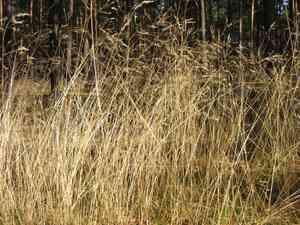
Wavy hair-grass adds a distinctive and visually pleasing element to gardens with its wavy, hair-like foliage and delicate seed heads that sway gracefully in the breeze. Its subtle, elegant appearance can complement a wide range of garden styles, from naturalistic and wild gardens to more formal landscapes. The plantâs year-round visual interest, including its golden-brown hue in the fall, makes it a valuable addition to any garden design.
How Can You Integrate Wavy hair-grass Into Your Garden?
Designing with Wavy hair-grass
Incorporating Wavy hair-grass into your garden design can yield numerous aesthetic and functional advantages. This versatile plant can be utilized as a ground cover, in borders, or as part of a meadow or woodland garden. Pair Wavy hair-grass with other native species to create a harmonious and ecologically beneficial landscape. Consider planting it alongside other grasses, wildflowers, and shrubs to form a richly diverse planting scheme.
Planting and Care Guidelines
To successfully plant Wavy hair-grass, select a site with well-draining soil and ample sunlight. While this plant tolerates various soil types, it thrives best in locations with good air circulation. Plant Wavy hair-grass in clumps or drifts to achieve a naturalistic effect, spacing each clump approximately 12-18 inches apart. Water thoroughly after planting to aid root establishment. Once established, Wavy hair-grass will require minimal maintenance, with occasional trimming of dead foliage to encourage new growth and maintain its appearance.



